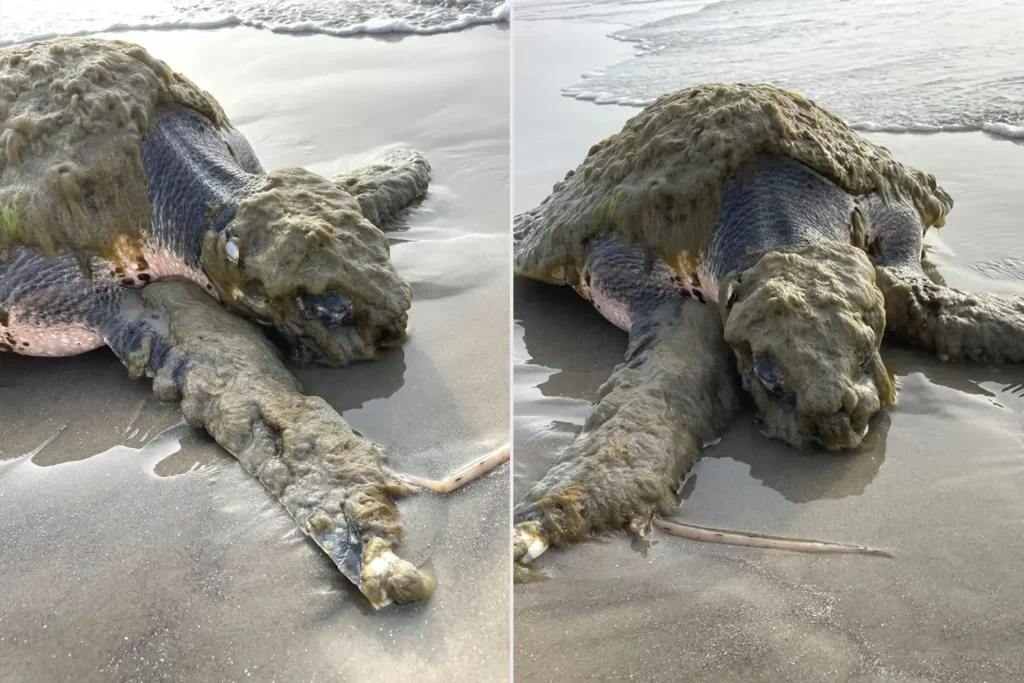

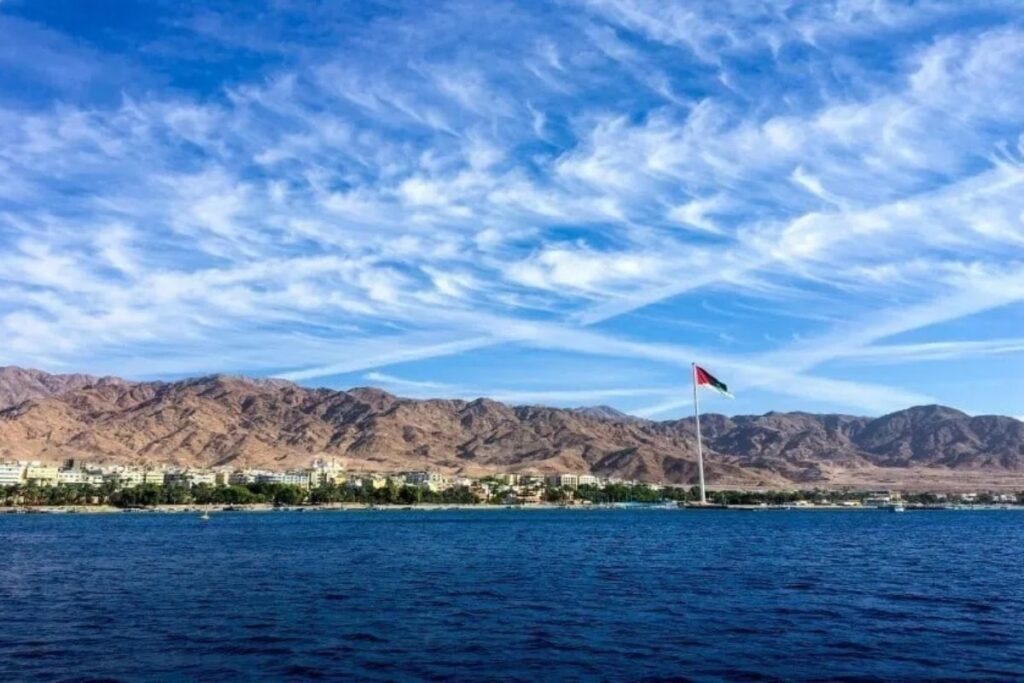

A shark caught in the Gulf of Aqaba has drawn attention to broader environmental issues after experts confirmed the animal belonged to the whale shark species, one of the largest and most docile marine creatures in the world.
Despite its massive size, experts say the species poses no danger to humans, as it feeds on plankton and microorganisms by filtering seawater, making it an important contributor to marine ecological balance.
Marine biologist Dr. Ahmad Abu Hilal said confirming the identity of the animal as a whale shark highlights the need to approach such incidents from a scientific and environmental perspective, rather than through assumptions often linked to the word “shark.” He noted that although whale sharks can grow to more than 12 meters in length, making them the largest fish species on Earth, they remain among the most peaceful marine animals and present no threat to humans or beachgoers.
Abu Hilal explained that whale sharks differ entirely from the predatory image commonly associated with sharks, as they do not hunt fish or marine mammals but instead filter large volumes of seawater through their gills to feed on plankton and larvae, a behavior that supports the balance of marine ecosystems.
He added that the presence of whale sharks in the Red Sea, including the Gulf of Aqaba, indicates suitable marine conditions and reflects the richness of local biodiversity, since the species is typically found only in waters with strong water quality and available food sources.
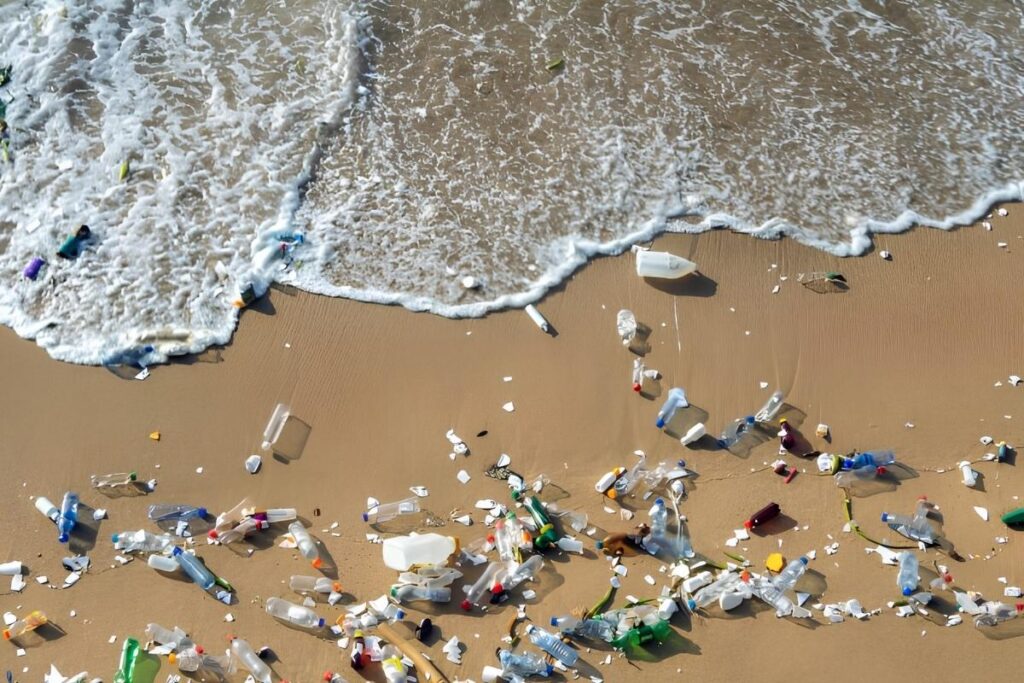
According to Abu Hilal, whale sharks face growing global pressures from bycatch, boat strikes, marine pollution, and climate change, which led the International Union for Conservation of Nature (IUCN) to list the species on its Red List of Threatened Species. Several countries have since introduced legislation prohibiting the hunting or harming of the species.
He said sightings such as this one in Aqaba waters should be treated as an opportunity to raise awareness among both professional and recreational fishers, rather than a cause for public concern, and stressed the importance of documenting such sightings and reporting them to relevant authorities for further study.
Abu Hilal further noted that confirmed whale shark presence carries significant tourism and economic value, as sightings of whale sharks and dolphins have become major draws for diving and eco-tourism in many countries.
Aqaba Special Economic Zone Authority said it is taking a firm regulatory approach to marine fishing violations involving endangered species, including round-the-clock marine patrols equipped with monitoring and tracking technology, alongside penalties for anyone found responsible for catching or trading endangered marine species.
Environmental activist Mohammed Abdullah called for the incident to become a turning point in the relationship between people and the sea, urging that whale shark and endangered species protection be incorporated into school curricula. He also proposed establishing a dedicated marine rescue and rehabilitation center in Aqaba, along with a fishers’ code of conduct requiring immediate reporting and release of any whale shark caught unintentionally, alongside incentives for fishers who demonstrate sustainable practices.
Sources: AlGhad via Akhbar Al Hayat

Mohsen Nabil is the Founder and Editor-in-Chief of Diventures Magazine. A mechanical engineer and scuba diving instructor based in the Red Sea, he writes about diving safety, marine conservation, underwater exploration, and developments in the global dive industry. Through Diventures Magazine, he works to connect divers, scientists, and ocean advocates while promoting responsible diving and protection of the oceans.