

He Memorized 87 Digits Underwater. But Could He Do It at 40 Metres?
German memory athlete Christian Schäfer has set a Guinness World Record by memorizing 87 decimal digits while underwater. For divers, however, his achievement raises another fascinating question: what would happen to that extraordinary memory at 40 metres?
Christian Schäfer clearly has a better memory than most of us.
The 34 year old German teacher and memory athlete recently earned the Guinness World Records title for the most decimal digits memorized underwater, successfully recalling 87 digits in the correct sequence.
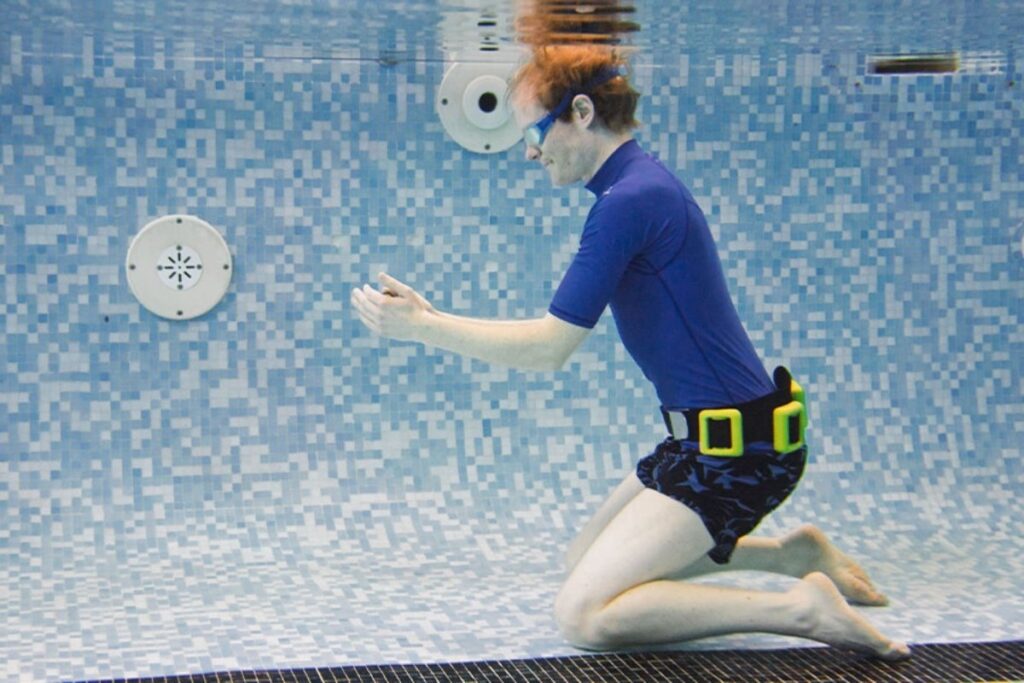
According to Guinness World Records, Schäfer was not allowed to see the numbers until he was completely submerged. While holding his breath underwater, he studied a sequence displayed on a mobile phone. The moment he surfaced, he had to stop looking and begin recalling the digits.
He reached 87 before making his first mistake.
That would be impressive sitting comfortably at a desk.
Doing it underwater while simultaneously managing a breath hold makes it considerably more interesting.
But at Diventures, the record immediately made us wonder something else.
Christian, how many could you remember at 40 metres? 😁
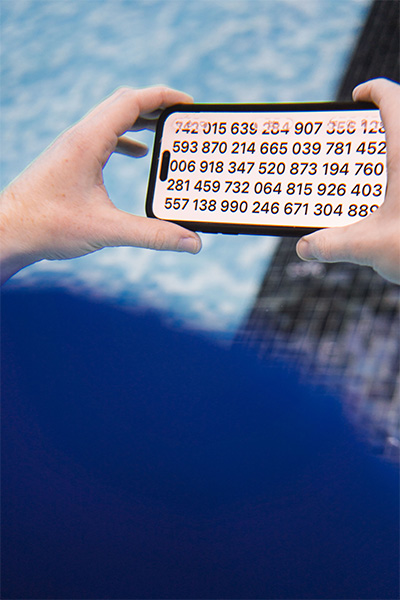
When Depth Joins the Memory Test
To be clear, Schäfer’s Guinness World Record was not performed at 40 metres, nor was it a scuba diving challenge.
And attempting a breath hold challenge at depth would introduce serious risks that have nothing to do with testing memory.
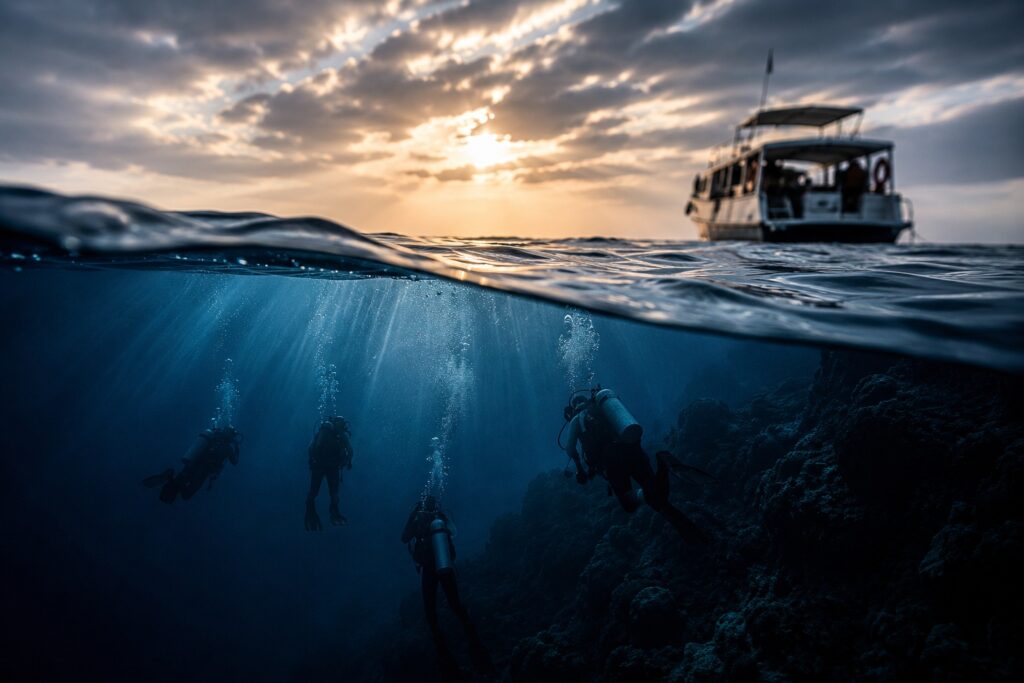
But as a thought experiment for scuba divers, the question becomes fascinating because at 40 metres, another factor enters the equation: gas narcosis.
When breathing compressed air at depth, the increasing partial pressure of nitrogen can affect the central nervous system.
Divers Alert Network describes possible symptoms of nitrogen narcosis as including impaired judgment, difficulty concentrating, drowsiness and changes in mood. DAN also notes that the effects vary between individuals and can vary from one dive to another.
According to DAN, narcotic effects when breathing air or nitrox are generally felt around 80 to 100 feet, approximately 24 to 30 metres, although individual responses differ.
At 40 metres, therefore, a memory test would no longer simply be a contest between memorization and the unfamiliarity of being underwater.
It could also become a test of cognitive performance under increased ambient pressure.
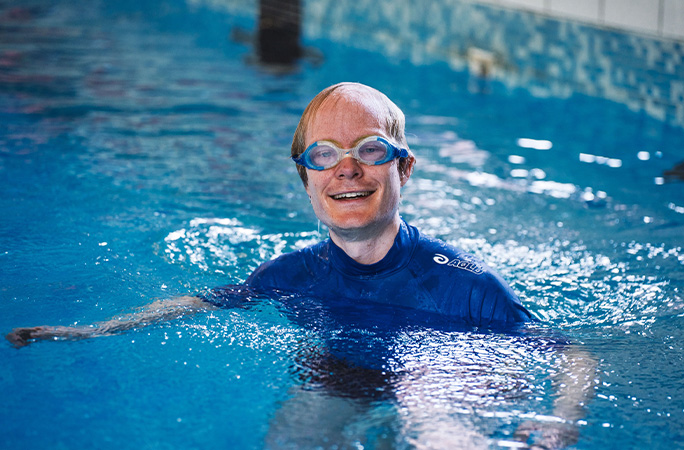
Your Brain May Not Be as Sharp as You Think
One of the interesting things about narcosis is that divers may not necessarily appreciate how much their performance has changed.
A diver might feel comfortable while attention, reasoning or judgment is already affected.
DAN has reported on research examining this problem using cognitive testing under hyperbaric conditions. In one research project, subjects performed mathematical speed and accuracy tests during deep dives while researchers investigated the narcotic effects of gases and their relationship with measurable cognitive performance.
This matters for considerably more than remembering numbers.
Underwater, cognitive performance is involved in almost everything a diver does, from reading instruments and maintaining situational awareness to responding to a problem and making decisions.
Remembering 87 digits might earn you a world record.
Remembering your gas, depth, decompression obligations and dive plan can be rather more important.
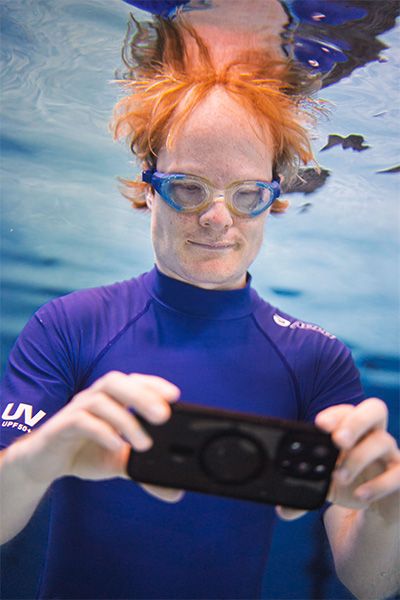
I Still Remember My First Deep Diving Test
This story also reminded me of one of my first experiences during deep diving training.
Before the dive, my instructor gave me a maths problem at the surface and timed how long it took me to solve it.
Later, at around 30 metres, he gave me a similar problem using different numbers and timed me again.
The difference was noticeable.
It was a very simple exercise, but it became one of the diving lessons I still remember clearly. You may feel comfortable at depth and believe that you are thinking normally, yet a straightforward task can take noticeably longer than it did at the surface.
That was the real value of the exercise. Instead of simply being told that narcosis could affect cognitive performance, I was able to see a change in my own performance.
And that experience is exactly why Schäfer’s record immediately made me wonder what would happen if a memory athlete performed a controlled cognitive test while scuba diving at progressively greater depths.
Not as a stunt, but as an interesting demonstration of how depth can affect the human brain.
So How Many Would He Remember at 40 Metres?
There is no scientifically responsible number we can give.
Perhaps Schäfer would still perform remarkably well. Perhaps his score would fall substantially. Individual susceptibility to narcosis varies, and his Guinness attempt was conducted under completely different conditions.
What makes the question interesting is precisely that we do not know.
Schäfer told Guinness World Records that he enjoys combining mental and physical performance. His underwater attempt forced him to balance the time required to memorize information against the limited time available while holding his breath.
Add depth, pressure and a narcotic breathing gas, and the cognitive challenge becomes something very different.
For now, 87 digits underwater is an extraordinary achievement.
But Christian, if you’re reading this, the divers at Diventures have one question:
How many could you remember at 40 metres? 😁
Preferably, let’s keep that one as a thought experiment.
Safety Note
This article does not suggest attempting memory challenges, prolonged breath holds or similar performance tests at depth. Breath holding underwater carries a risk of hypoxic loss of consciousness, while scuba diving at depth introduces additional physiological hazards. Deep diving should only be conducted within appropriate training, experience, equipment and breathing gas limits.
Source: Guinness World Records, Teacher with record breaking memory skills goes underwater to test his limits, published 18 September 2026.
Diving medicine references: Divers Alert Network material on breathing gases, nitrogen narcosis and research into cognitive performance under pressure.

Mohsen Nabil is the Founder and Editor-in-Chief of Diventures Magazine. A mechanical engineer and scuba diving instructor based in the Red Sea, he writes about diving safety, marine conservation, underwater exploration, and developments in the global dive industry. Through Diventures Magazine, he works to connect divers, scientists, and ocean advocates while promoting responsible diving and protection of the oceans.