

A new peer reviewed study has found that scuba divers, including those who consider themselves environmentally conscious, are contacting and damaging coral reefs far more often than they realize. The research, published May 26, 2026 in the journal Conservation Letters, was led by Dr. Bing Lin of the University of Sydney’s Thriving Oceans Research Hub, with the work beginning during his doctoral studies at Princeton University and continuing through his postdoctoral position in Sydney.
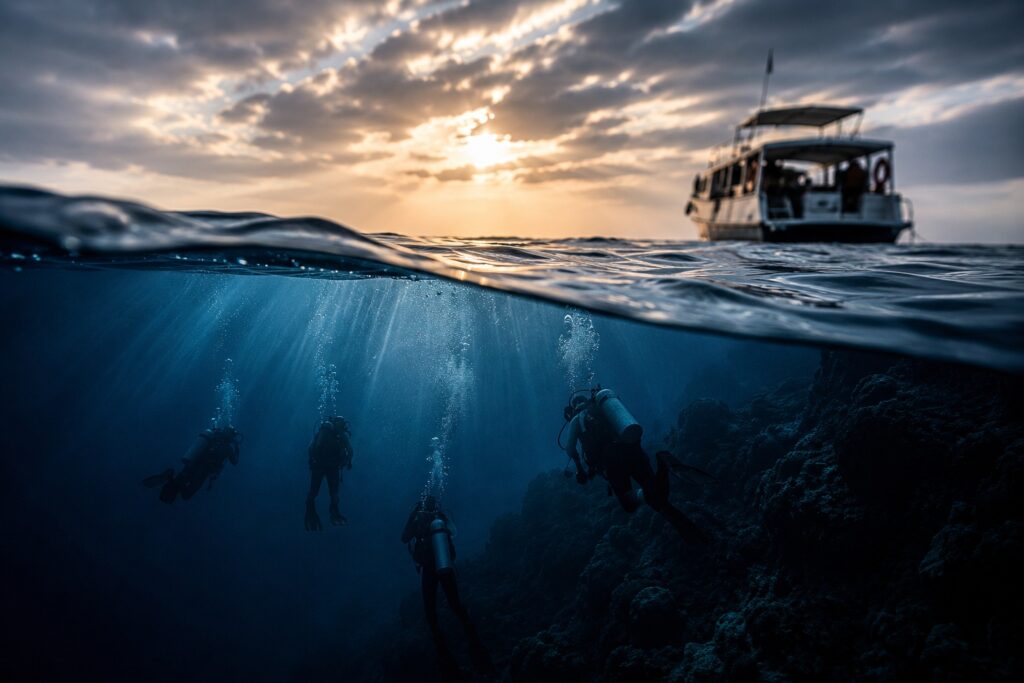
The study analyzed the underwater behavior of more than 700 scuba divers at popular dive tourism destinations in the Philippines and Indonesia, including Bali. Researchers logged over 300 hours of underwater observation and recorded 4,981 individual reef contact events among 411 divers. On average, divers made contact with the reef roughly once every four minutes, spending nearly two seconds of every minute in direct physical contact with coral.
A Significant Share of Contacts Caused Damage
Of the thousands of contact events recorded, around 41 percent caused observable damage to coral, ranging from outright breakage to the stirring of sediment that can settle on and smother living coral tissue. Perhaps more notable to industry professionals, the researchers found that more than 80 percent of these damaging contacts were either unintentional or went completely unnoticed by the diver responsible.
Dr. Lin said the findings highlight how much of the harm caused by scuba tourism remains invisible to the very people causing it. He noted that diving has traditionally been framed as a low impact, non extractive way to experience marine environments, since fish and coral remain undisturbed in place and divers simply observe. The study suggests that framing may understate the physical footprint diving leaves behind.
A Gap Between Self Perception and Behavior
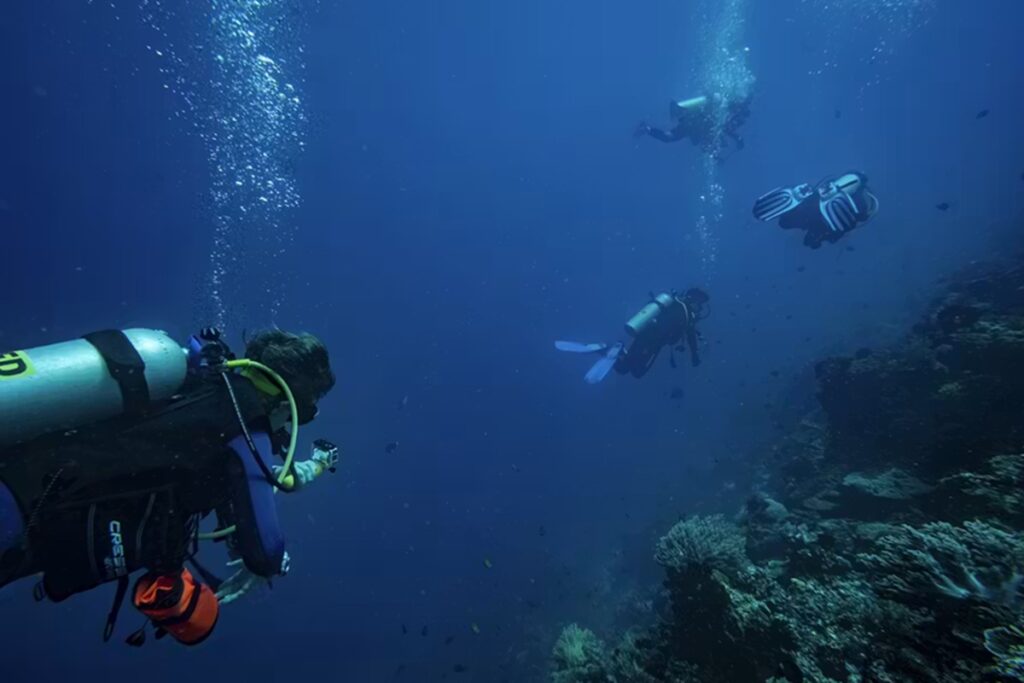
One of the most striking elements of the research involved comparing what divers believed about their own skill against what cameras and observers actually recorded. In pre dive surveys, at least 69 percent of participating divers rated themselves as “above average” in their ability to avoid intentional reef contact, and 86 percent rated themselves “above average” at avoiding accidental contact.
When these self assessments were matched against underwater footage, the same divers had underestimated how often they actually touched the reef by nearly fivefold. Researchers describe this pattern as consistent with the illusory superiority effect, in which people systematically rate their own abilities above those of their peers, layered with a Dunning Kruger pattern in which divers with lower actual skill levels showed the largest gaps between perceived and demonstrated competence.
“Many divers believe they are careful and low impact, but our data shows a consistent mismatch between perception and behavior,” Dr. Lin said.
Wildlife Encounters Sharply Increase Contact Rates
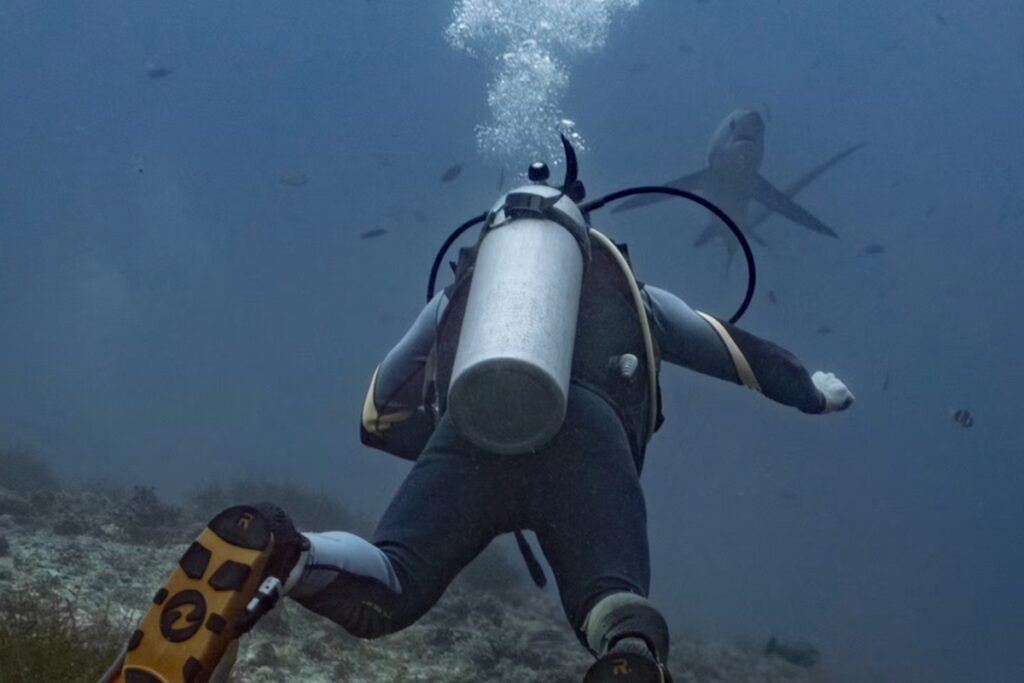
The study identified marine wildlife sightings as one of the strongest predictors of increased reef contact. When sharks, sea turtles, manta rays or other charismatic species appeared during a dive, intentional reef contacts rose by 220 percent, unintentional contacts rose by 85 percent, and damaging contacts rose by 106 percent. Researchers attribute this to divers repositioning, bracing, or adjusting their buoyancy quickly in an effort to get closer to or better view the animal, often at the expense of careful control near the reef structure itself.
This finding carries a particular irony for the diving industry: the encounters that most reliably inspire divers to value and protect coral reefs are often the same moments in which those reefs face the greatest risk of physical harm. The researchers suggest this means dive sites known for abundant marine life require more deliberate site management, including smaller group sizes and clearer guidance on appropriate viewing distances during peak wildlife encounter periods.
Equipment and Group Behavior Also Play a Role
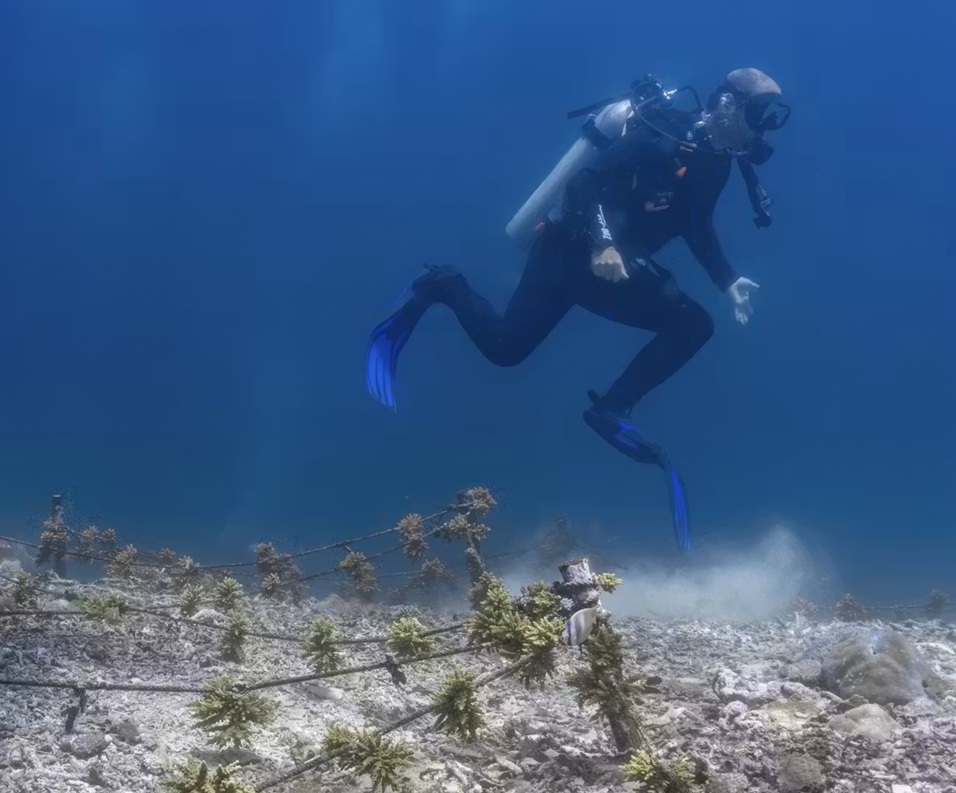
The study also found that certain equipment choices were associated with higher contact rates. Divers using underwater cameras, wearing gloves, or carrying pointer sticks touched the reef more frequently than divers without this gear. Researchers suggest cameras in particular may distract divers from monitoring their body position and fin placement while they focus on framing a shot.
Social dynamics within a dive group also proved significant. When one diver in a group made contact with the reef, other divers in that same group became measurably more likely to do the same shortly afterward, suggesting a kind of behavioral contagion that instructors and guides may be able to interrupt through active modeling and in water cues.
Recommendations for the Industry
The research team was careful to frame their findings not as an argument against diving, but as a call for more deliberate training and site management. Suggested interventions include more rigorous buoyancy instruction during certification and continuing education, clearer pre dive briefings that address specific reef contact risks rather than generic reef etiquette reminders, structured post dive feedback so divers can see footage of their own behavior, and stricter operator level standards around group size, guide to diver ratios, and equipment use near sensitive reef areas.
Dr. Lin noted that this newer research builds on his earlier work, published in the journal Nature Sustainability, which found that coastal tourism activity, including scuba diving, leaves a measurable and regionally detectable mark on coral reefs across entire island chains. Individually minor contacts, the research argues, accumulate steadily over time and compound the pressure reefs already face from ocean warming, marine heatwaves, acidification, pollution and overfishing.
Why It Matters for Dive Operators and Training Agencies
For dive centers, liveaboard operators and training agencies, the study offers a concrete, evidence based case for reinforcing buoyancy and trim skills well beyond entry level certification, and for treating wildlife encounters, not just wreck penetration or overhead environments, as moments requiring heightened diver awareness and guide oversight. The researchers frame their conclusions as constructive rather than alarmist, emphasizing that the underwater footprint of diving tourism is not inevitable and can be meaningfully reduced through training, briefing and site management changes that are already within the industry’s reach.
The full study is published in Conservation Letters and was conducted through the University of Sydney’s Thriving Oceans Research Hub in the School of Geosciences.

Mohsen Nabil is the Founder and Editor-in-Chief of Diventures Magazine. A mechanical engineer and scuba diving instructor based in the Red Sea, he writes about diving safety, marine conservation, underwater exploration, and developments in the global dive industry. Through Diventures Magazine, he works to connect divers, scientists, and ocean advocates while promoting responsible diving and protection of the oceans.