

Wreck Diving’s Invisible Risk
Sunken ships are magnets for adventure.
From coral-covered freighters in the Red Sea to historic warships resting in deeper waters, wrecks offer some of the most exciting diving experiences on the planet. But amid the fascination with history and marine life lies a hazard many divers rarely think about: tetanus.
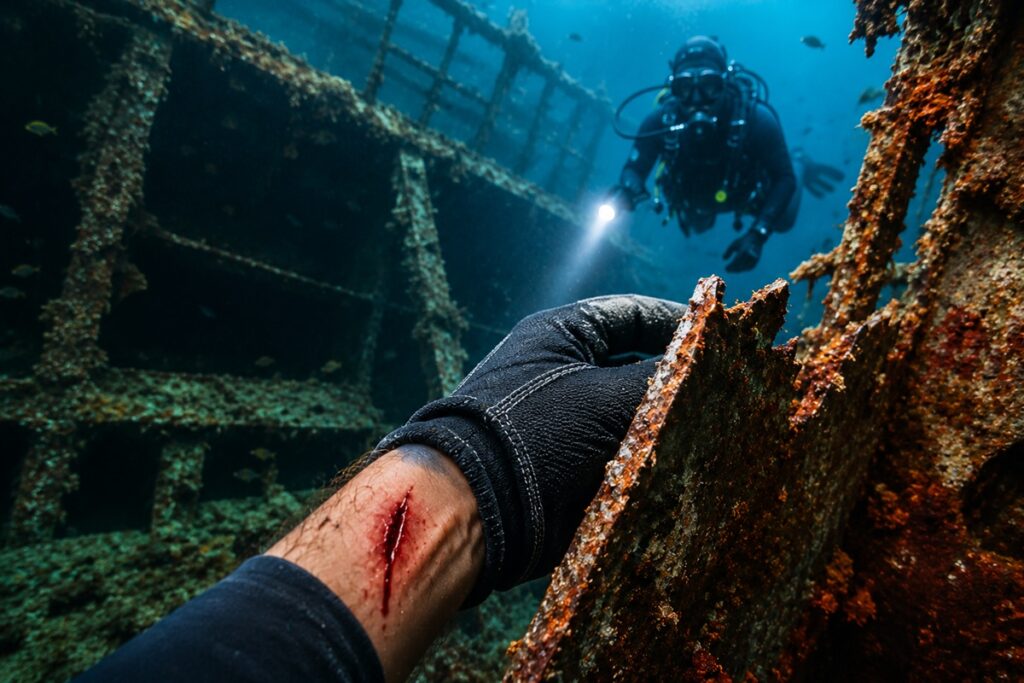
Most divers worry about decompression sickness, currents, or equipment failures. Yet a small cut from a jagged metal edge, a puncture wound from exposed wiring, or even a scrape contaminated with sediment can create the conditions that allow tetanus bacteria to enter the body.
The disease is rare today thanks to vaccination, but experts warn that it remains serious—and entirely preventable.
What Exactly Is Tetanus?
Tetanus is a severe bacterial disease caused by Clostridium tetani, a bacterium whose spores are found naturally in soil, dust, and animal waste. The bacteria typically enter the body through a break in the skin, especially deep puncture wounds where oxygen levels are low. Once inside, they produce a powerful toxin that attacks the nervous system.
The disease is often known as “lockjaw” because one of its most recognizable symptoms is painful muscle stiffness around the jaw and neck. As the toxin spreads, it can trigger severe muscle spasms throughout the body, difficulty swallowing, breathing problems, and potentially life-threatening complications.
Unlike many infectious diseases, tetanus does not spread from person to person. Infection occurs only when bacterial spores contaminate a wound.
Why Divers Should Pay Attention
Divers are not automatically at higher risk of tetanus than the general population, but certain types of diving can increase exposure to wounds that may become contaminated.
Wreck diving is a prime example.
Old shipwrecks are filled with corroded metal, sharp plates, fishing lines, broken glass, and protruding structures hidden beneath marine growth. Even experienced divers occasionally emerge with minor cuts or scrapes.
The danger isn’t the rust itself—a common misconception—but rather the possibility that a wound becomes contaminated with tetanus spores from sediment or debris. Deep puncture wounds are particularly concerning because the bacteria thrive in environments with little oxygen.
Technical divers, underwater photographers squeezing into confined spaces, and recreational divers exploring wreck interiors may all face situations where accidental injuries occur.
And because many cuts seem insignificant underwater, divers may underestimate their importance.
The Disease Is Rare—but Still Dangerous
Thanks to widespread vaccination programs, tetanus cases have dropped dramatically over the past century.
In the United States, annual cases fell from around 600 per year in the 1940s to fewer than 20 cases in recent years. However, when infections do occur, the disease remains dangerous. According to health authorities, tetanus can still be fatal, particularly among older adults and those who are not adequately vaccinated.
Globally, the disease continues to claim tens of thousands of lives every year, especially in regions where vaccination coverage is limited.
For divers traveling internationally or exploring remote destinations, keeping vaccinations up to date becomes an important part of trip preparation—just as important as checking regulators or servicing dive computers.
Recognizing the Symptoms
Tetanus symptoms usually appear between three and 21 days after infection, although they can sometimes develop later. Early signs may include:
- Jaw stiffness or difficulty opening the mouth
- Muscle stiffness in the neck or abdomen
- Difficulty swallowing
- Painful muscle spasms
- Headache or irritability
- Fever and sweating
As the disease progresses, muscle contractions can become severe enough to interfere with breathing and may require intensive hospital care.
Because symptoms develop after the wound may have healed or been forgotten, people do not always connect the illness to the original injury.
Prevention Is Straightforward
The good news is that tetanus is highly preventable.
Health authorities recommend an adult booster every 10 years. However, if you suffer a deep or contaminated puncture wound and it has been more than 5 years since your last shot, medical protocol suggests getting a booster within 48 hours of the injury.
Divers should also treat every cut or puncture wound seriously:
- Rinse wounds thoroughly with clean water.
- Gear Up Correctly, always wear a full exposure suit.
- Clean the area as soon as possible after diving.
- Monitor for signs of infection.
- Seek medical advice if the wound is deep, dirty, or if vaccination status is uncertain.
Importantly, having tetanus once does not provide lifelong immunity. A person can become infected again, making vaccination essential even for those who have previously recovered from the disease.
A Small Shot for Peace of Mind
Divers invest heavily in training, equipment, and safety procedures.
Yet one of the most effective protections against a potentially deadly disease comes from a simple vaccine that has been available for decades.
Wrecks will always carry risks. Sharp edges, confined spaces, and unpredictable conditions are part of what makes these dives so thrilling. But understanding hazards beyond buoyancy and decompression—including tetanus—helps divers make informed decisions before they descend.
The next time you prepare for a wreck dive, checking your tetanus vaccination status might be one of the smartest additions to your pre-dive checklist.
After all, the most dangerous threats underwater are not always the ones we can see.
The article is based primarily on reporting from National Geographic’s article on tetanus and vaccination, with supporting medical information from the World Health Organization (WHO) tetanus factsheet.

Mohsen Nabil is the Founder and Editor-in-Chief of Diventures Magazine. A mechanical engineer and scuba diving instructor based in the Red Sea, he writes about diving safety, marine conservation, underwater exploration, and developments in the global dive industry. Through Diventures Magazine, he works to connect divers, scientists, and ocean advocates while promoting responsible diving and protection of the oceans.