
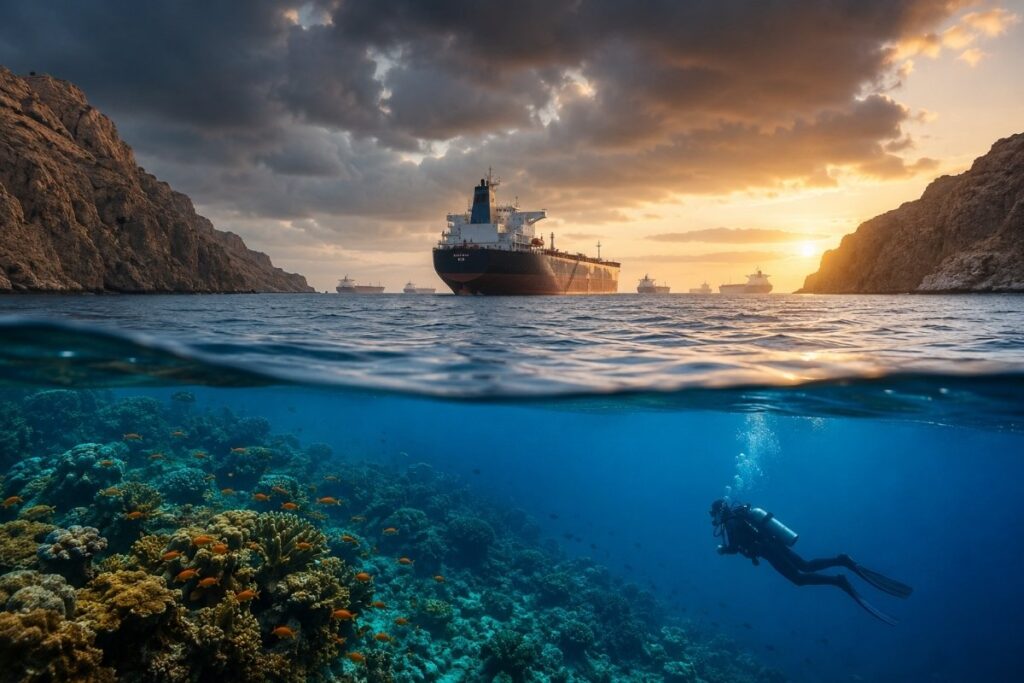

For most divers, the Strait of Hormuz may seem far removed from coral reefs, liveaboards, and underwater adventures. Yet this narrow waterway between the Arabian Gulf and the Gulf of Oman is one of the world’s most important maritime chokepoints, and the crisis that has disrupted it since February 2026 is already touching diving in two distinct ways: directly, in the Gulf destinations that sit beside the strait itself, and indirectly, through the fuel costs, travel expenses, and traveler confidence that ripple outward to dive destinations far from the conflict.
A conflict measured in tankers, not tourists
The current crisis began on February 28, 2026, when the United States and Israel launched airstrikes against Iranian military targets, an operation that included the killing of Iran’s Supreme Leader, Ali Khamenei. In response, Iran largely blocked shipping traffic through the strait. NBC News has reported that around 20 percent of the world’s oil and natural gas normally passes through Hormuz, while other industry estimates put the figure closer to 25 percent of global seaborne oil trade; the range reflects differing methodologies across organisations tracking oil consumption, oil trade, and seaborne trade separately, and any specific percentage should be read as an approximation. The Iranian Revolutionary Guard Corps issued warnings against transit, attacked and boarded merchant vessels, and laid sea mines, while Iran also launched missile and drone strikes on Israel, US bases, and Gulf states allied with Washington.
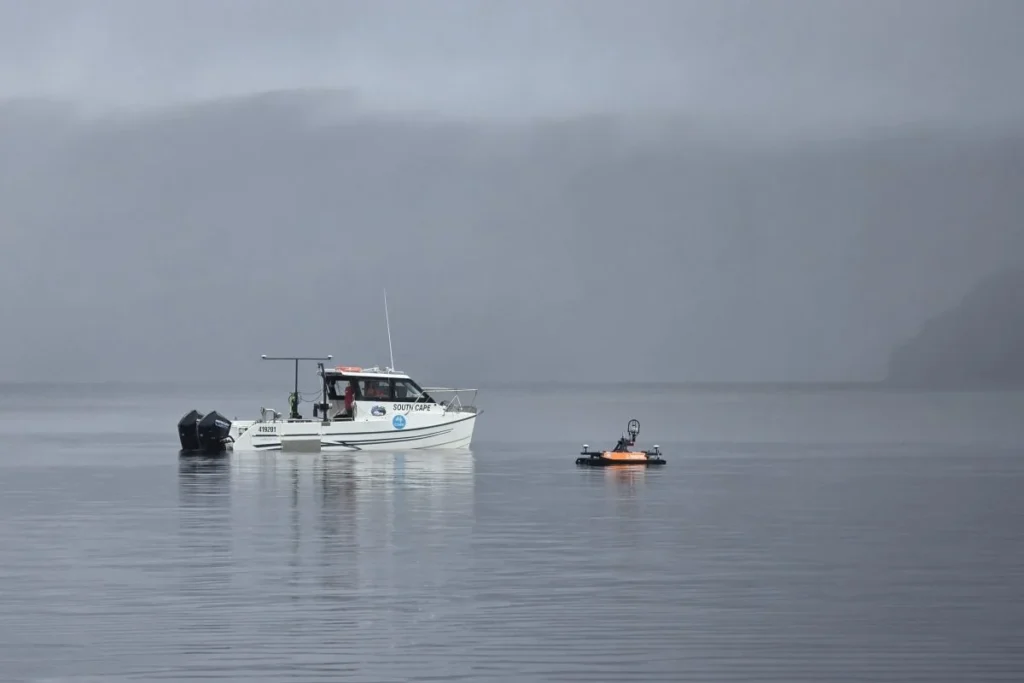
The disruption has not been continuous. Within 48 hours of the initial strikes, major shipping lines including Maersk, MSC, CMA CGM, and Hapag Lloyd had suspended transits, and over 150 tankers anchored outside the strait rather than risk attack. Ceasefires and diplomatic talks have periodically eased the pressure, only for fighting to resume. By early July 2026, renewed fighting between the United States and Iran had again brought large vessel crossings through the strait’s main shipping lane close to a standstill, with Lloyd’s List Intelligence, cited by Al Jazeera, reporting that traceable crossings via the main transit lane had effectively ground to a halt. The UN’s International Maritime Organization reported around 6,000 seafarers stranded aboard vessels in the strait as Gulf states remained on high alert. As of late July, NBC News’ ongoing tracker of vessel movements showed daily transits running at a small fraction of pre war levels, with commercial traffic having fallen dramatically rather than stopped outright, as some vessels continue to move under military escort or with Iranian clearance.
Musandam: a dive destination emptied out
For the diving and dhow cruise industry, the clearest direct effects have been felt in Oman’s Musandam Governorate, the enclave that juts into the strait and has long marketed its fjords, dolphin sightings, and reef diving as “the Norway of Arabia.” CBC News reporting from Khasab in April found that the peak spring tourist season, when European visitors and Emiratis typically arrive to board traditional dhows for day cruises through the fjords, had produced only a trickle of visitors, with boats sitting idle in rows at the town’s harbour. Oman had not been struck directly by missiles or drones at that point, but its proximity to the strait was enough to keep travellers away.
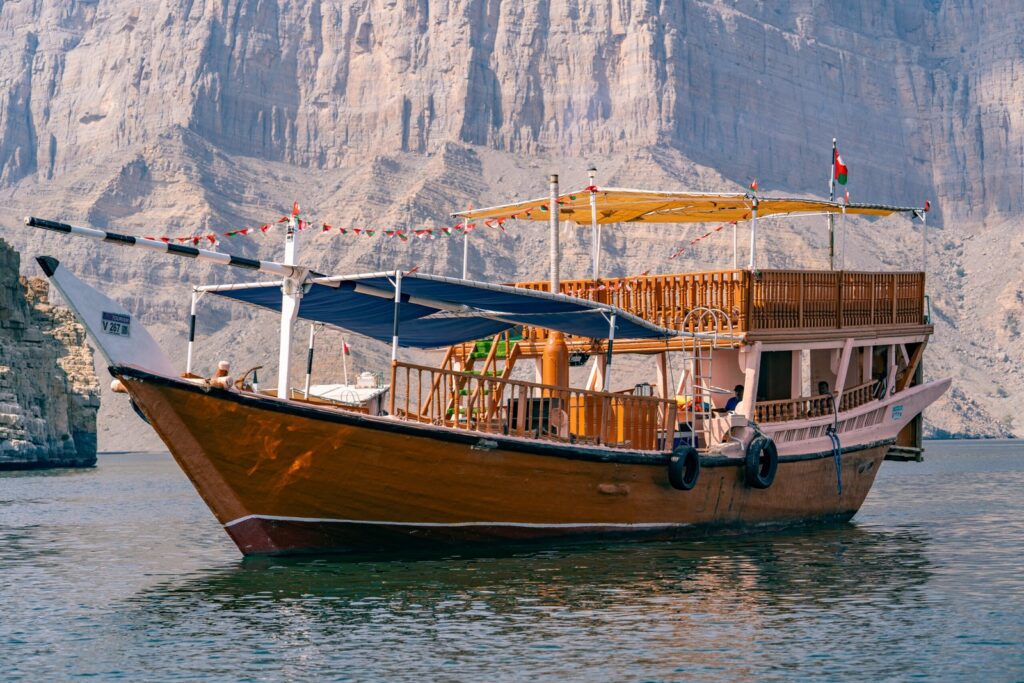
That proximity has since become more than a psychological factor. In mid July, Oman’s Foreign Ministry confirmed it had lodged a formal protest with Iran’s ambassador after drone strikes hit sites in Musandam and Al Wusta governorates, though it did not disclose casualties or damage to specific tourism infrastructure. British authorities responded by advising travellers to Oman to arrange insurance that explicitly covers drones, armed conflict, and evacuation, and to apply heightened caution specifically around Musandam and itineraries connected to the strait, while stopping short of a blanket advisory against travel to the country. Travel And Tour World reporting in May also described missile and drone strikes reaching Fujairah, the UAE’s main port on the Gulf of Oman side, alongside disrupted flight schedules, revised cruise itineraries, and shifting hotel bookings in Dubai and Abu Dhabi.
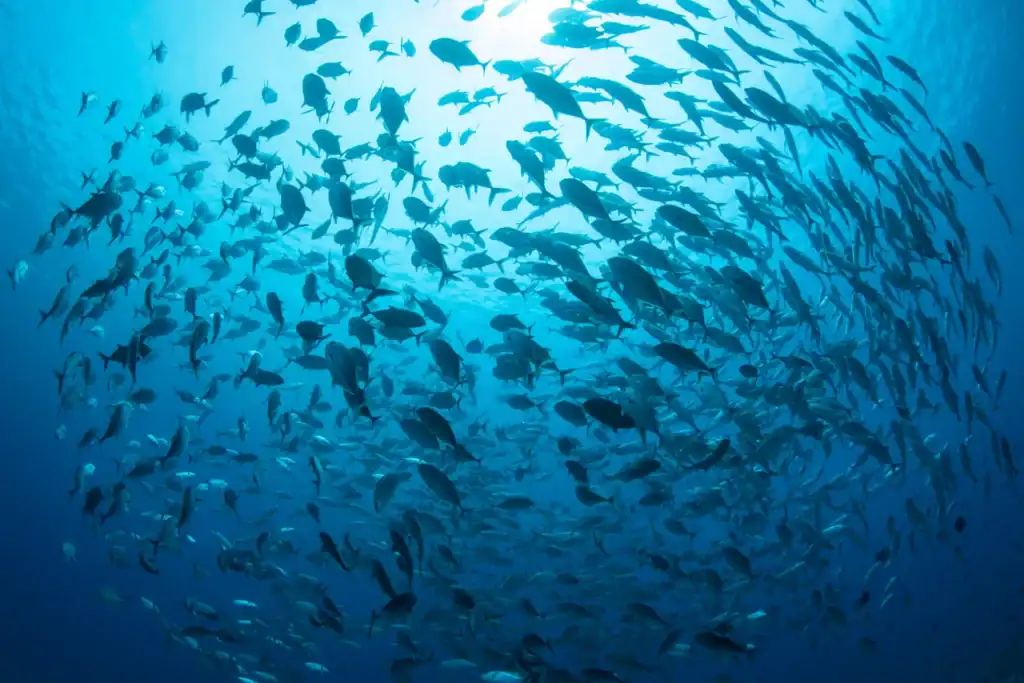
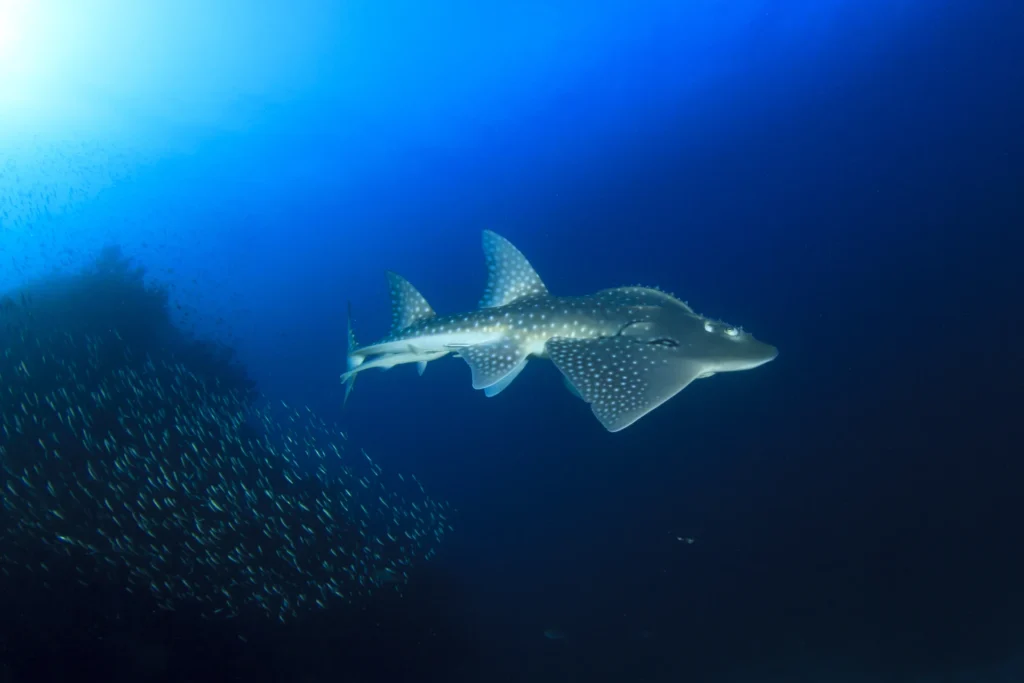
Beyond visitor numbers, the conflict has drawn attention to what is under threat below the surface. The strait sits at a transition zone between the cooler Gulf of Oman and the warmer Arabian Gulf, where currents feed coral growth and draw in reef fish and seasonal whale sharks. The area also serves as nesting ground for sea turtles and is home to dugongs and sea snakes. With large numbers of tankers idling in the Gulf for extended periods, marine scientists cited by CNN have raised concern about the risk of oil spills in waters historically valued for their ecological richness.
Beyond the Gulf: an economic ripple, not a travel ban
For dive destinations well outside the Gulf, the more relevant question is not whether the strait itself is passable, but how a prolonged disruption to global energy markets works its way into the cost and confidence around dive travel generally.
Fuel is one of the largest operating expenses for airlines, liveaboards, dive boats, transfer vehicles, and cruise ships. If oil prices remain elevated for an extended period, airlines may raise ticket prices or trim less profitable routes, and dive operators, particularly those running liveaboards or high speed day boats, could face higher operating costs that get passed on through trip prices or fuel surcharges. Liveaboards are especially exposed, since a typical expedition vessel burns significant diesel while travelling between sites, running generators, producing freshwater, operating compressors, and powering onboard facilities. Even a modest, sustained rise in fuel costs can affect operating budgets on longer itineraries, including in destinations such as the Red Sea, the Maldives, and Indonesia.
Air travel carries a parallel risk. Many divers book international holidays months in advance, and sustained increases in aviation fuel costs could translate into higher airfares, fewer promotional fares, and adjustments to flight schedules or seat availability on some routes. This does not necessarily reduce overall demand for diving, but it can shift where travellers choose to go and how far in advance they book.
Periods of regional instability also tend to push up insurance premiums for commercial shipping operating in affected waters, as insurers price in additional risk across freight and vessel operations. War risk insurance has risen sharply for vessels operating near the Gulf, adding costs throughout maritime supply chains. Recreational dive travel is not directly tied to commercial shipping insurance, but higher transport costs can, over time, feed into the price of imported goods and tourism services more broadly, including dive equipment. Regulators, BCDs, dive computers, cylinders, spare parts, and cameras all move through international supply chains, and retailers could see slower deliveries or higher wholesale prices if freight costs stay elevated for an extended period.
Does the disruption reach the Red Sea?
For readers focused on Egypt’s Red Sea liveaboard industry, it is worth being precise about geography. There is no direct navigational link between the Strait of Hormuz and Red Sea dive sites off Hurghada, Marsa Alam, or Egypt’s offshore islands. Where Red Sea tourism is exposed, it is more likely to run through regional instability’s effect on traveller confidence, insurance terms, and flight routing across the Middle East as a whole, and through the separate resumption of Houthi attacks on Red Sea shipping since mid 2026, which is a parallel disruption that Red Sea operators may feel more directly than anything happening in the Gulf.
Will divers cancel their holidays?
Not necessarily. History suggests most divers continue travelling when a destination remains safe and accessible, though travellers often become more selective, favouring reliable flight connections, stable operating conditions, flexible booking policies, and clear safety information. Confidence plays a large role in tourism, and even destinations far from the conflict can see temporary softness in bookings if travellers perceive the wider region as unstable, independent of whether that specific destination is affected at all.
Should divers be concerned?
At present, there is no basis to assume every destination in the region will be affected equally. The diving industry has shown resilience through previous disruptions, including pandemics, economic downturns, and past regional security events, and most destinations outside the immediate conflict zone continue operating normally, with airlines, tour operators, and liveaboard companies adapting schedules as conditions evolve. Rather than reacting to headlines alone, divers are advised to follow official travel advisories for their specific destination, stay in contact with their dive operator, carry comprehensive travel insurance, and book with reputable operators offering flexible policies where possible.
The Strait of Hormuz is thousands of kilometres from many of the world’s most popular dive destinations, yet its influence extends beyond the Gulf. For divers, understanding those connections is becoming as important as understanding currents and weather. Ocean tourism no longer exists in isolation, it is increasingly shaped by global economics, maritime security, and international trade.

Mohsen Nabil is the Founder and Editor-in-Chief of Diventures Magazine. A mechanical engineer and scuba diving instructor based in the Red Sea, he writes about diving safety, marine conservation, underwater exploration, and developments in the global dive industry. Through Diventures Magazine, he works to connect divers, scientists, and ocean advocates while promoting responsible diving and protection of the oceans.