
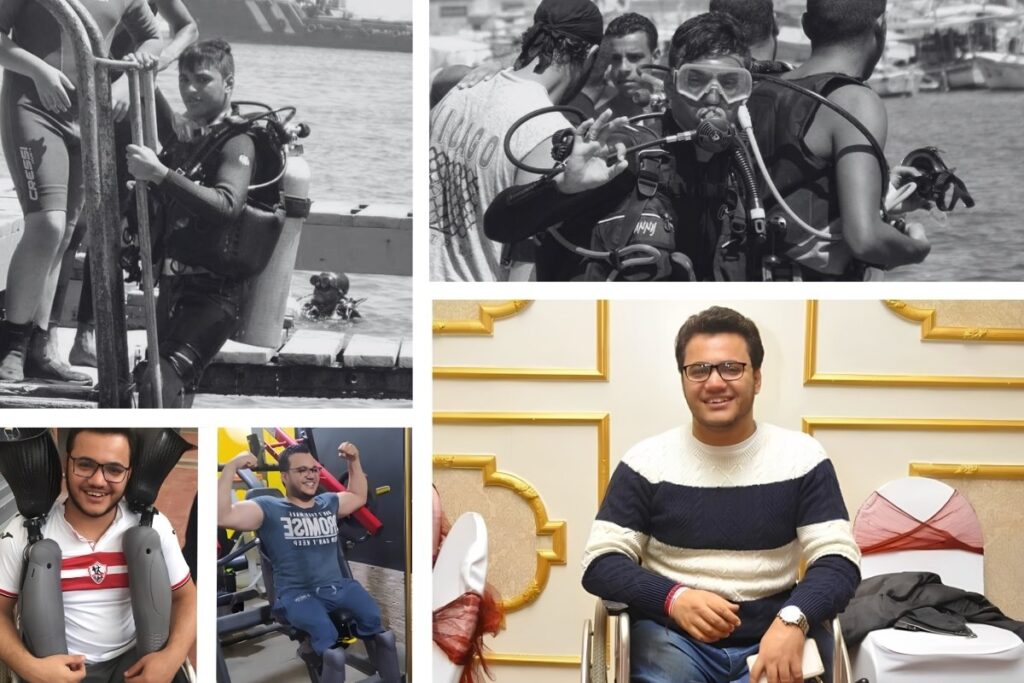

They Said a Scuba Cylinder Couldn’t Explode. I Lost Both Legs When One Did”
Hussein Mansour shares his account of a 2014 scuba cylinder accident in Alexandria, Egypt, and how it changed the course of his life. Diventures also examines why scuba cylinders can fail and the inspections operators should carry out before filling them.
When I read comments today saying that a scuba cylinder cannot explode, I remember one morning in 2014 that changed my life completely.
I am not talking about an accident I heard about from someone else or a video I watched online.
I was standing in front of a scuba cylinder when it catastrophically failed.
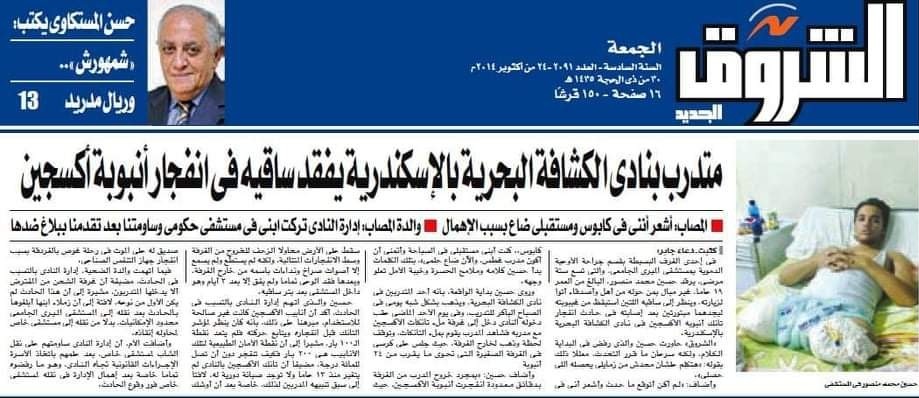
I woke up in hospital and eventually learned that I had lost both of my legs.
My story, however, did not begin with the accident.
At the time, I loved the sea and diving, and I was trying to gain as much practical experience as possible. I would dive with more experienced people whenever I had the opportunity so I could learn and improve.
I regularly visited a Diving and Rescue Center at the Sea Scouts in the Bahary area of Alexandria.
One morning in 2014, at around 7 am, I was passing the scuba cylinder filling area.
I was not there to fill a cylinder. I had no work to do inside the filling room, and I was not normally someone who entered it.
The person responsible for the cylinders and their filling was there. He asked me to stand outside the room for a short time so that students would not enter and interfere with the cylinders inside.
It seemed like a very simple request.
I stood there.
Seconds later, everything changed.
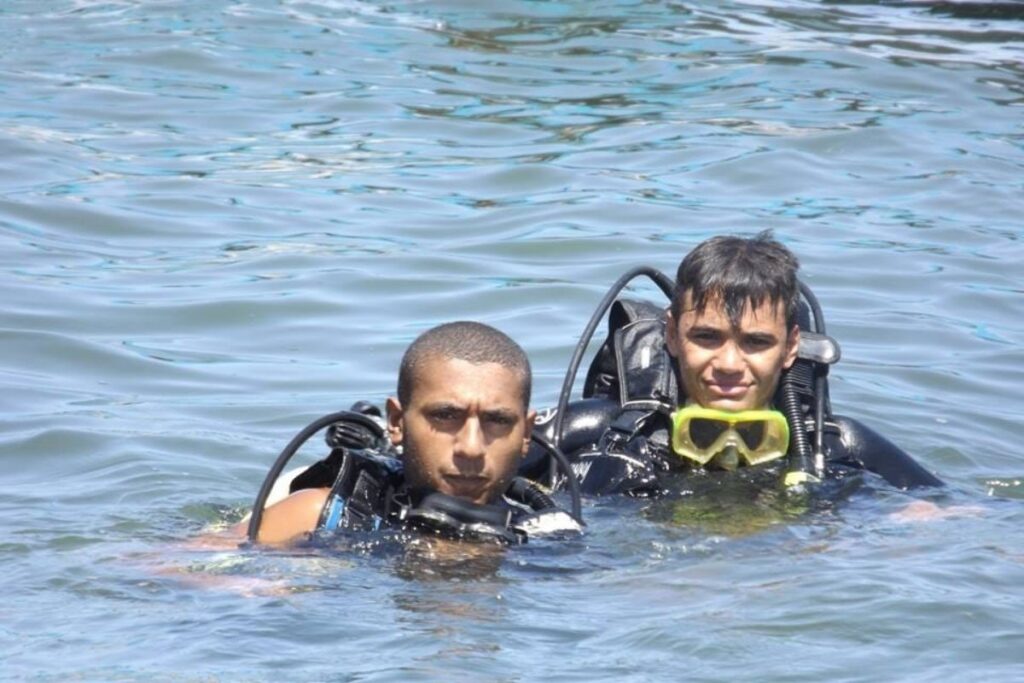
Seconds Before the Explosion
From what was calculated after the accident and what I was later told, I had been standing there for only a very short time, probably less than half a minute.
Then the cylinder exploded.
It was almost directly in front of me.
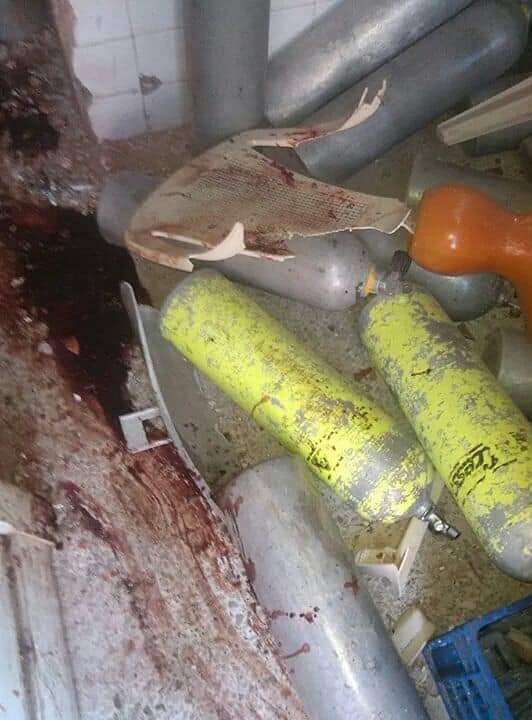
Even today, I cannot fully describe the force of that moment.
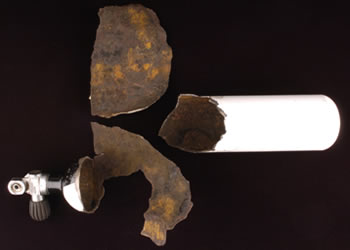
The explosion devastated the room and the surrounding area. The door was blown away, and pieces of the cylinder were thrown far from the site.
According to what I was later told, a section of the cylinder carrying its identification markings and number was recovered approximately 375 metres away in the water.
I was standing closest to it.
The main force of the explosion struck my legs.
I also suffered an injury and laceration to my head, fragments struck my chest, my pelvis was fractured, and I suffered other fractures and injuries across my body.
There were also, as I remember it, around 24 other cylinders inside the room apart from the one that failed.
When I think about that today, I realise the accident could have become an even greater catastrophe if other cylinders had also been involved.
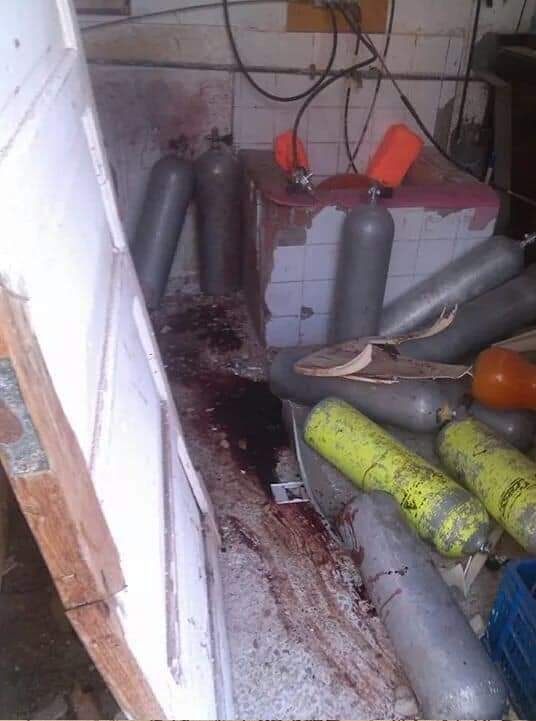
Five Days in a Coma
After the explosion, I knew nothing about what was happening around me.
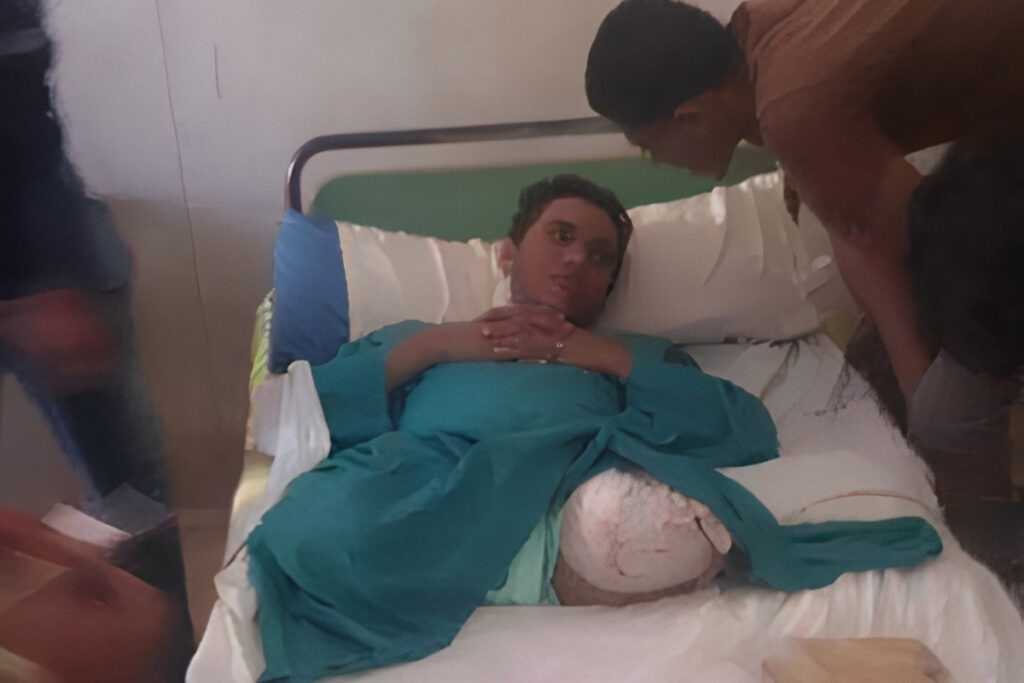
I remained in a coma for approximately five days.
When I began to regain consciousness, I gradually started to understand the extent of my injuries.
I had lost both of my legs as a result of the injuries caused by the explosion.
There were also operations, treatment for fractures and other injuries, stitches, and a long period of treatment and rehabilitation.
Thankfully, I eventually recovered from many of the other injuries.
Losing my legs, however, was obviously the greatest change.
Within seconds, I had gone from the life I knew to an entirely different life that I had to learn how to live.
Why Did the Cylinder Fail?
The accident did not end at the hospital.
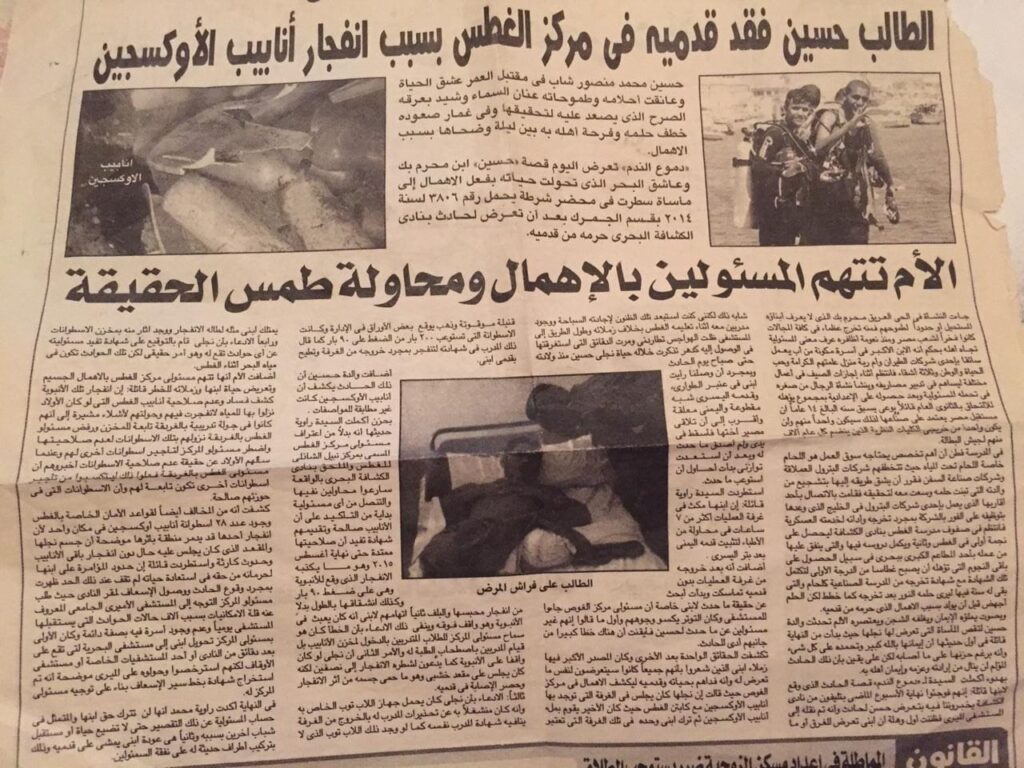
An investigation followed, and the case eventually went to court.
The remains of the cylinder were examined and the circumstances surrounding the accident were investigated. Specialists and experts were appointed during the legal proceedings to inspect the cylinder and determine what had happened.
According to what I learned during the case, specialists from maritime and academic institutions took part in the examination, including experts connected with Egyptian naval and maritime organisations.
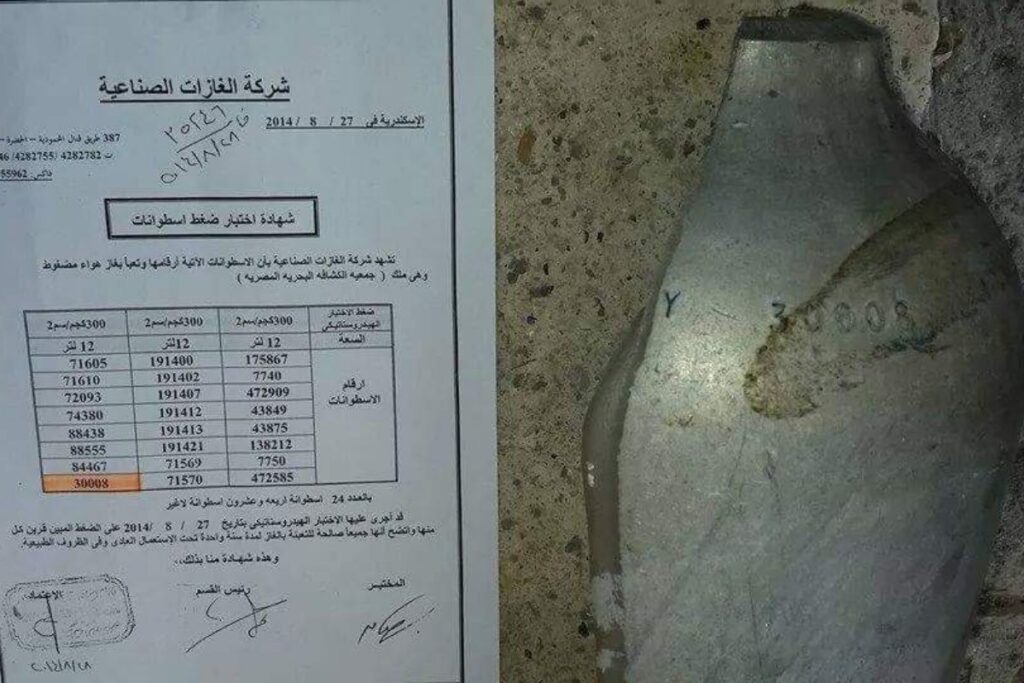
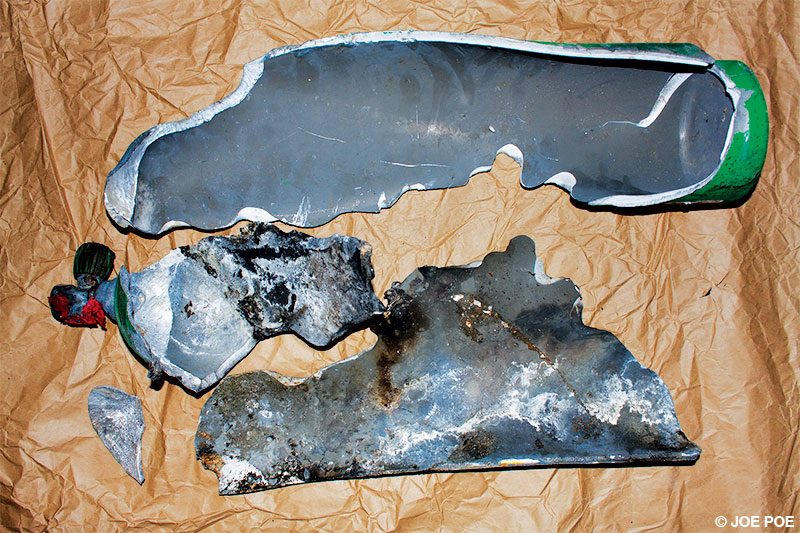
According to the findings communicated to me during the proceedings, the cylinder had suffered severe internal corrosion.
It was an aluminium cylinder, and the corrosion inside had affected the metal and its ability to withstand pressure.
I was also told during the court proceedings and through the expert findings that the cylinder had gone for approximately 13 years beyond the required testing period.
More seriously, according to what emerged during the case as it was explained to me, the required tests had not actually been carried out in the way they were supposed to be.
There was paperwork associated with testing, but according to what was presented during the investigation and expert examination, the required physical testing of the cylinder had not been performed correctly.
That is one of the things I have never forgotten.
A cylinder may look like nothing more than a strong piece of metal from the outside.
What is happening inside it may be invisible to everyone standing next to it.
The Cylinder Failed at Around 90 Bar
According to what I learned following the accident, the failure happened during filling when the pressure had reached approximately 90 bar.
That may sound like a relatively low pressure compared with the normal working pressure of a scuba cylinder.
But according to the expert findings in my case, the issue was not simply that the cylinder had reached a high pressure.
The problem was the condition of the cylinder itself.
Internal corrosion had weakened its structure to the point that it could no longer withstand the pressure.
It failed.
And I was standing in front of it.
The Legal Case Continued After I Left Hospital
After my medical treatment began, another journey started through the legal system.
I filed a case, and the proceedings continued for roughly a year while I was also dealing with treatment and the enormous changes in my personal life.
There were investigations, hearings, expert reports and examinations.
Eventually, we received compensation, but in my view it was small compared with what had happened and the scale of the injuries that had changed my life.
The case ultimately ended through a settlement and withdrawal of the proceedings.
That part of the experience was not easy either.
But eventually I had to stop allowing my entire life to revolve around the accident and the case.
There was something more important in front of me.
I had to continue living.
I Do Not Want My Story to Be About Pity
Some people may expect me to tell this story with anger or sadness.
The truth is different.
I am extremely proud of myself.
I am not ashamed of what happened, and I do not want people to look at me simply as a victim.
Quite the opposite.
I have always been willing to tell my story.
The accident completely changed the course of my life, but it became part of my life. It did not become my entire life.
I lost both legs. I went through injuries, treatment, rehabilitation and changes I could never have imagined facing.
But I also overcame things that, at the beginning, I thought would be impossible.
At First, I Saw It as a Severe Test
When the accident happened, it was natural for me to see it as an extremely difficult ordeal.
Waking up and discovering that your body and your life have changed so dramatically is not something anyone can consider simple.
But over time, my perspective changed.
I believe what happened was fate, and I thank God for everything.
As the years passed, I began to understand that sometimes a person faces something they initially believe is beyond their ability to endure, only to discover a strength they did not know they possessed.
I believe God does not send us something without knowing that we are capable of facing it.
Today, I do not tell this story as the day my life ended.
I see it as an event that changed the direction of my life.
And I am proud of the path I have taken since then.
Why Am I Telling My Story Now?
One reason I decided to speak about the accident again was that I recently saw discussions and comments surrounding scuba cylinder accidents.
Among the comments were people saying:
“Scuba cylinders cannot explode.”
When I read statements like that, I know there is something that needs to be explained.
The more technically precise term in many cases may be a catastrophic cylinder rupture rather than an explosion caused by combustion.
But for the person standing in front of a cylinder when it fails, the forces involved can still be catastrophic.
I know because I experienced it.
I am not telling my story to frighten divers about scuba cylinders.
I am not suggesting that every cylinder on a diver’s back is at risk of exploding.
I want people to understand that a compressed gas cylinder is not simply a piece of metal that can be treated casually.
Inspection, maintenance and testing are not paperwork.
For me, the difference could have meant an entirely different life.
How Can a Scuba Cylinder Fail?
The following technical section was prepared by Diventures and is separate from the author’s personal account.
A scuba cylinder contains compressed gas and therefore stores considerable energy. If the structural integrity of the cylinder is compromised, a sudden rupture can release that energy violently.
Divers Alert Network notes that scuba cylinder ruptures are uncommon but can have catastrophic consequences. Internal corrosion, repeated overfilling, exposure to excessive heat, mechanical damage and inadequate inspection or maintenance are among the factors that can contribute to cylinder failure.
Internal Corrosion Can Be Hidden
One of the significant risks associated with scuba cylinders is that serious deterioration may develop internally while the outside of the cylinder appears normal.
Water or excessive moisture inside a cylinder can cause corrosion and pitting of the internal wall. If enough material is lost, the cylinder may no longer retain the strength required to contain pressure safely.
The UK Health and Safety Executive has warned that water entering diving cylinders can cause severe internal corrosion, including in cylinders that may still appear satisfactory externally or remain within their scheduled inspection period.
For that reason, any cylinder suspected of having taken in water should be properly assessed before being returned to filling service.
Overfilling and Excessive Pressure
Every scuba cylinder has a specified working pressure based on its design and approval.
Repeatedly filling a cylinder beyond the limits for which it was designed can place additional stress on its structure and may contribute to permanent deformation or eventual failure.
DAN warns that repeatedly exceeding a cylinder’s design limits can damage the metal and potentially increase the risk of a future structural failure.
A fill station operator should therefore never assume that adding a little extra pressure is harmless simply because the cylinder tolerated it previously.
Excessive Heat
Temperature and pressure inside a cylinder are directly related.
As the gas becomes hotter, pressure rises.
Heat can also affect the properties of the cylinder material itself. Cylinders exposed to fire or excessive temperatures should therefore be removed from normal service until they have been appropriately evaluated.
DAN identifies exposure to excessive heat as one of the conditions that may compromise cylinder safety.
Mechanical Damage
Dents, deep gouges, severe scratches, corrosion and other physical damage can affect the integrity of the cylinder wall.
Not every mark automatically makes a cylinder unsafe, but significant or suspicious damage is a reason to stop and have the cylinder assessed rather than simply filling it.
The fill operator represents an important final line of defence.
If the cylinder does not look right, it should not be filled merely because the date stamped on it appears current.
The Valve and Cylinder Neck
Not every serious cylinder incident begins with the body of the cylinder itself.
The neck threads and valve are also critical components.
Using an incompatible valve thread or installing a damaged valve can create a serious failure risk. The UK Health and Safety Executive has warned of incidents involving valves being violently ejected from cylinders where incompatible thread types were involved.
For that reason, valves should be compatible with the cylinder specification and installed and maintained by appropriately trained personnel.
Sustained Load Cracking in Some Older Aluminium Cylinders
Some older aluminium alloys have a documented history of a phenomenon known as Sustained Load Cracking.
This type of cracking has been associated particularly with certain cylinders manufactured from aluminium alloy 6351.
Luxfer explains that cylinders made from this alloy may require additional examination using eddy current technology to detect cracks in the neck and thread region that can be difficult to identify visually.
Eddy current examination is not a replacement for a proper visual inspection. It is an additional method used where the cylinder type, manufacturer instructions or applicable regulations require it.
What Should a Fill Station Operator Check?
Cylinder safety does not begin only when a formal periodic test becomes due.
It begins before every fill.
A trained operator should identify the cylinder, check its markings, verify its permitted working pressure and confirm that the required periodic inspections or tests remain valid under the applicable regulations.
The cylinder should also receive an external visual check before filling.
The operator should look for corrosion, significant dents, deep cuts or gouges, damage to the neck or valve, signs of excessive heat and anything else that may suggest the cylinder is not suitable for filling.
If there is doubt, the appropriate response is not to fill it first and investigate later.
The cylinder should be removed from filling service and referred for proper inspection.
Internal and External Visual Inspection
A detailed cylinder inspection goes far beyond looking at the outside.
Once the cylinder has been safely depressurised and the valve removed by a competent person, the internal wall can be inspected for corrosion, pitting, moisture, contamination and other damage.
The neck and threads must also be examined carefully.
Inspection intervals are not universal.
Requirements vary between countries, regulatory systems, cylinder specifications and manufacturers.
For example, DAN discusses annual visual inspection as an established diving industry practice in the United States, while formal requalification periods are governed separately by applicable regulations. Other jurisdictions use different schedules and standards.
For this reason, operators should follow the law and recognised standards that apply where they are working, as well as the requirements of the cylinder manufacturer.
Hydrostatic Testing
Hydrostatic testing is one of the principal methods used during the periodic requalification of pressure cylinders.
The cylinder is subjected to a specified test pressure under controlled conditions and its response is measured to determine whether it remains within the permitted limits.
The purpose is to identify whether the cylinder has experienced unacceptable permanent expansion or other indications that it may no longer be suitable for continued service.
But passing a hydrostatic test does not guarantee that a cylinder will remain safe until its next scheduled test.
A cylinder can be damaged after testing.
Water intrusion, excessive heat, a serious impact or new corrosion can all create reasons for further inspection before the next scheduled requalification date.
The Health and Safety Executive specifically warns that a cylinder being within its test period does not remove the need for additional inspection where water contamination or damage is suspected.
Eddy Current Examination
For certain older aluminium cylinders made from particular alloys, additional eddy current examination may be required to look for cracks around the neck and thread area.
Luxfer emphasises that eddy current examination is an additional inspection tool and does not replace a thorough visual inspection by a properly trained inspector.
Whether it is required depends on the cylinder, its material, its manufacturing history and the regulations or guidance applicable to it.
The Breathing Gas Must Also Be Tested
Cylinder integrity is only one part of fill station safety.
The breathing gas itself must also meet the applicable quality standard.
Contamination from a compressor or filling system can create a serious diving hazard even when the cylinder itself is structurally sound.
DAN notes that cylinder inspection and pressure testing assess structural condition, but they do not determine whether the breathing gas inside the cylinder is free from contamination.
Operators should therefore ensure that breathing gas quality testing is carried out according to the applicable regulations and recognised standards.
A Filling Area Is Not a Place for Bystanders
A cylinder failure can affect far more than the person operating the compressor.
Anyone standing near a cylinder during filling could potentially be exposed to the consequences of a catastrophic failure.
Good fill station practice therefore includes controlling access to the filling area, keeping unnecessary personnel away, ensuring operators are properly trained and using suitable protective measures.
This point has particular significance in Hussein’s account.
He was not operating the cylinder.
He says he was simply standing outside the room when it failed.
Testing Is More Than a Stamp
Perhaps the most important lesson from both Hussein’s experience and established cylinder safety guidance is that a test stamp should never become a substitute for judgement.
A valid test date does not cancel out visible damage.
A periodic test does not eliminate the need for checks before filling.
An external examination cannot always reveal what is developing inside a cylinder.
Cylinder safety depends on several layers working together: appropriate manufacturing standards, correct maintenance, periodic inspection, required requalification testing, properly trained operators, filling within permitted limits and refusing to fill a cylinder whenever there is reason to question its condition.
When a vessel contains compressed gas, each of those layers matters.
Diventures Editorial Note
The first part of this article represents Hussein Mansour’s personal account of an accident he says occurred in Alexandria, Egypt, in 2014. Diventures edited and structured his testimony for publication while preserving the substance of his account.
Details concerning the pressure inside the cylinder at the time of failure, the distance travelled by fragments, the number of other cylinders at the site, the internal condition of the cylinder, the reported 13 year period relating to testing, the way previous tests were allegedly conducted, expert findings, court proceedings, compensation and the eventual settlement are presented according to Hussein Mansour’s account and his description of the investigations, expert examinations and documents connected with the case.
Diventures does not present those specific details as independent technical or judicial findings verified by the magazine.
The technical section concerning scuba cylinder failure, inspection and testing was prepared separately by Diventures using published guidance from recognised diving safety, regulatory and cylinder industry sources. Inspection intervals, testing requirements and cylinder requalification rules vary between jurisdictions. Operators should always follow applicable local regulations, recognised standards and the cylinder manufacturer’s requirements.

Hussein Mansour is an Egyptian diving enthusiast and survivor of a 2014 scuba cylinder accident in Alexandria. He shares his experience to promote greater awareness of cylinder safety and proper inspection practices.