

For many divers, the question arrives sooner than expected. After a handful of dives, rental equipment starts to feel less like a convenience and more like a compromise. A mask leaks during descent, fins feel awkward in current, or a regulator simply does not breathe the way you would like.
At that point, most divers begin asking the same thing: should you keep renting scuba gear, or is it time to invest in your own setup?
The answer depends on how often you dive, where you travel, and what kind of diving experience you want to build. For some, renting remains the smartest and most practical option. For others, owning personal equipment becomes one of the best investments they can make in comfort, safety, and long-term enjoyment underwater.
The decision is not really about owning everything immediately. It is about understanding which gear matters most and when purchasing makes sense for your diving journey.
The Realities of Rental Gear
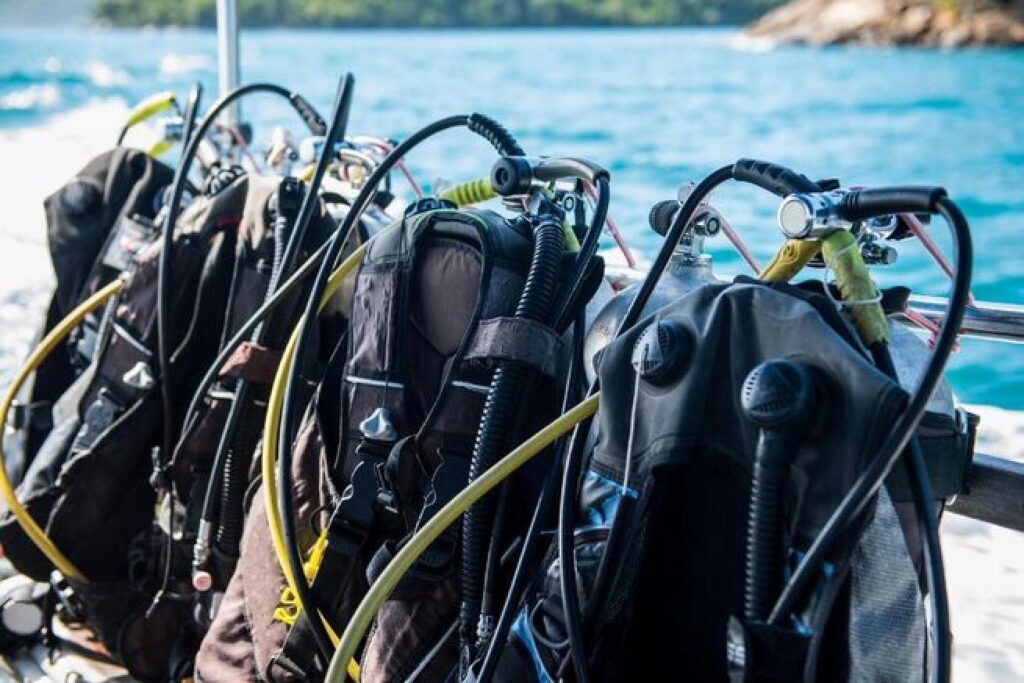
Rental equipment plays an important role in diving. Without it, many people would never take their first breath underwater. Dive centres across destinations from the Caribbean to the Red Sea rely on rental systems to make diving accessible and affordable.
For occasional divers, rental gear is often perfectly adequate. Modern dive operations maintain equipment carefully, and reputable centres regularly service regulators and buoyancy systems to meet safety standards.
Still, rental gear is built for versatility rather than personalization.
A wetsuit may fit reasonably well but not perfectly. Fins may not suit your kicking style. A BCD could feel bulky or unfamiliar compared to what you used on your certification dives. None of these issues necessarily stop a dive from being enjoyable, but they can affect comfort, trim, and confidence underwater.
This becomes more noticeable as divers gain experience.
The more dives you log, the more sensitive you become to equipment performance. Small differences in fit, balance, and breathing resistance start to matter because they directly affect air consumption, buoyancy control, and overall enjoyment.
Why Divers Gradually Start Buying Gear
Most experienced divers do not purchase a complete kit overnight. Instead, ownership tends to happen gradually.
The process often starts after a diver experiences equipment that truly fits properly for the first time.
Comfort Improves Every Dive
A well-fitted mask can completely change a dive experience. Instead of constantly clearing water or adjusting straps, you simply focus on the underwater environment.
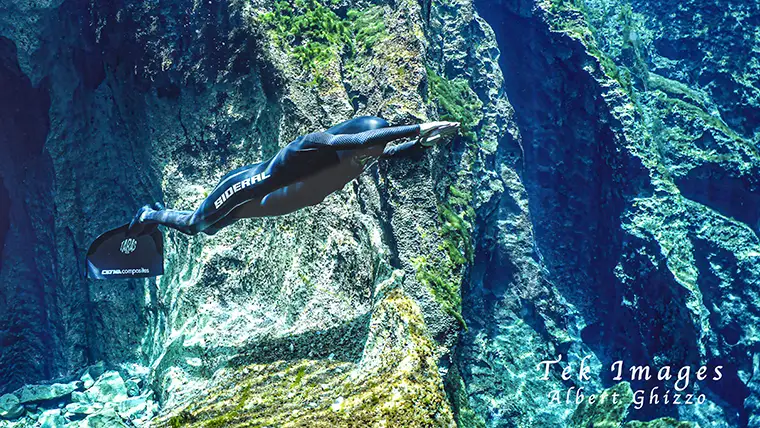
The same applies to fins and exposure suits. Fins designed for your leg strength and kicking style improve propulsion efficiency, while a properly fitted wetsuit provides warmth without restricting movement.
These may sound like small upgrades, but underwater comfort has a direct effect on stress levels and energy consumption.
For divers exploring challenging environments such as drift dives in the Red Sea, gear familiarity can become especially valuable. Strong currents, deeper profiles, and extended dive days are easier to manage when equipment behaves exactly as expected.
Hygiene and Maintenance Matter
Another reason divers move toward ownership is confidence in maintenance and hygiene.
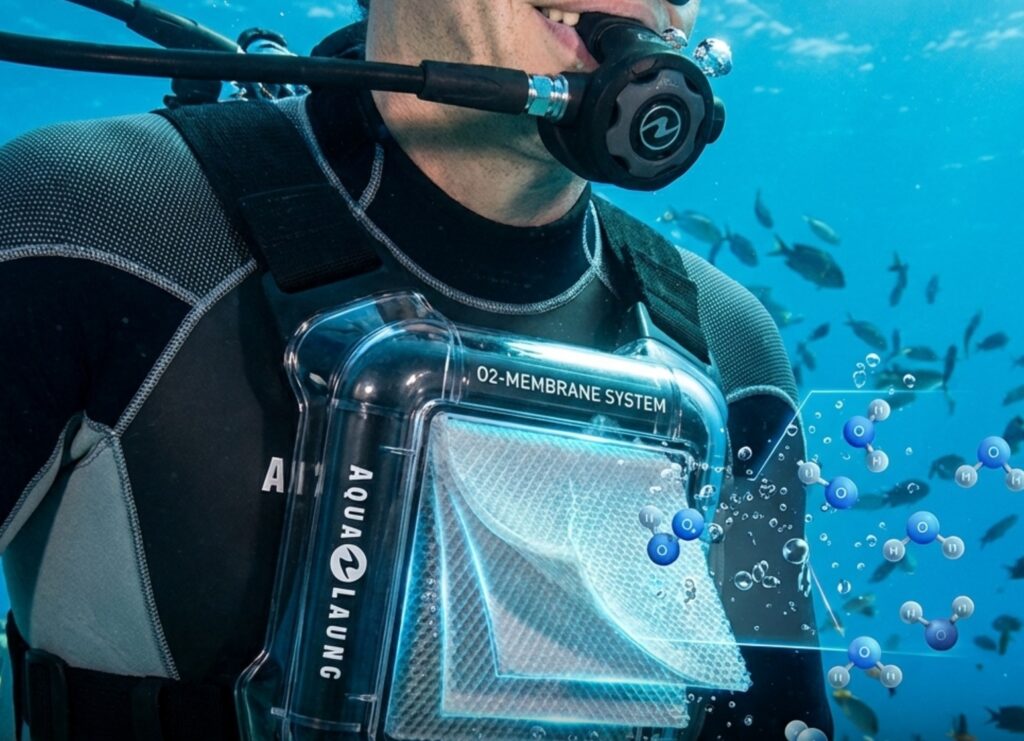
With personal gear, you know the equipment’s history. You know how often it has been serviced, rinsed, transported, and stored. That familiarity creates trust, especially with life-support equipment like regulators.
Rental equipment from professional dive operators is generally safe and regularly inspected, but personal ownership removes uncertainty.
This becomes increasingly important for divers who travel frequently or dive several times each year.
Familiarity Builds Better Diving Habits
Scuba diving is heavily based on repetition and muscle memory.
When you use the same regulator, BCD, and dive computer repeatedly, your movements become automatic. You instinctively know where your inflator hose sits, how your weight system releases, and how your gauges are positioned.
That consistency reduces task loading underwater.
Instead of adapting to unfamiliar gear on every trip, you can focus entirely on buoyancy, navigation, photography, marine life observation, or simply enjoying the dive itself.
For advanced divers progressing into deeper diving, wreck environments, or technical training, equipment familiarity becomes even more important.
When Renting Still Makes More Sense
Despite the advantages of ownership, buying scuba gear is not always the best decision.
For many divers, renting remains the smarter and more economical approach.
Occasional Divers Benefit from Flexibility
If you dive once or twice per year during holidays, investing thousands into equipment may not provide good value.
Regulators require regular servicing even when unused. Batteries in dive computers must be maintained. Exposure suits can deteriorate if stored improperly for long periods.
Infrequent divers often benefit more from renting modern, professionally maintained equipment only when needed.
Travel Logistics Can Be Frustrating
Travel is another major factor.
BCD systems, regulators, and fins add significant weight to luggage. Airlines continue tightening baggage policies, and transporting heavy dive equipment across international destinations can become expensive and inconvenient.
That is why many experienced travelers adopt a hybrid strategy.
They travel with lightweight personal essentials such as masks, computers, and wetsuits while renting bulkier items locally.
This approach is particularly common among divers visiting liveaboard destinations in Egypt, Indonesia, and the Maldives, where multiple domestic flights and luggage restrictions are common.
Rental Gear Helps You Test Equipment
Renting also allows divers to experiment before committing financially.
Not sure whether you prefer a back-inflate BCD or traditional jacket style? Renting gives you the chance to compare both in real conditions.
The same applies to fin styles, regulator performance, and wetsuit thicknesses.
Trying different configurations before purchasing can prevent expensive mistakes later.
The Smartest Way to Build a Dive Kit
Rather than buying everything immediately, most instructors recommend building a dive kit gradually.
Start With Personal Essentials
The best starting point usually includes:
- Mask
- Fins
- Snorkel
- Exposure protection
These items directly affect comfort and fit while remaining relatively affordable.
They also travel easily and provide immediate benefits on every dive.
Invest Next in Core Safety Equipment
After gaining experience, many divers move toward purchasing:
- Dive computer
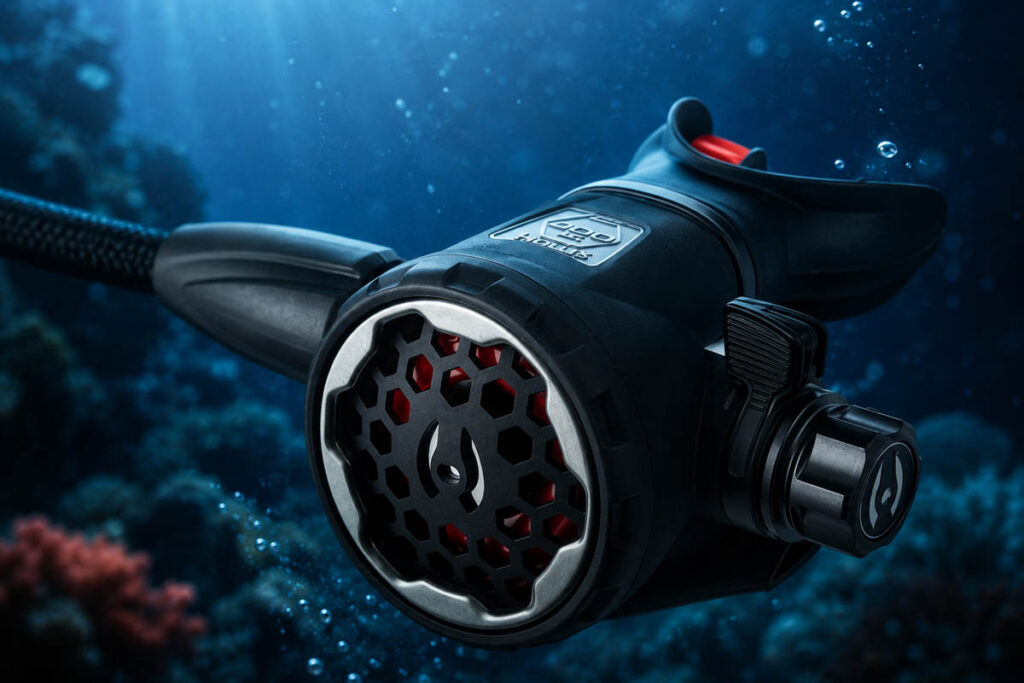
- Regulator
These items influence safety, dive planning, and breathing comfort more than almost any other equipment category.
Owning them also creates consistency across every dive trip.
Upgrade Buoyancy Systems Later
BCD ownership often comes later because preferences evolve with experience.
Some divers eventually prefer streamlined wing systems, while others remain loyal to traditional jacket BCDs for recreational travel diving.
Waiting before purchasing allows divers to make a more informed long-term choice.
Looking Beyond the Initial Price Tag
One of the biggest misconceptions in diving is focusing only on upfront cost.
The more important calculation is cost per dive.
Frequent divers quickly realize that repeated rental fees add up over time. After enough trips, ownership can become financially advantageous.
However, the real value extends beyond money.
Owning gear often leads to:
- Better comfort underwater
- Improved buoyancy control
- Increased confidence
- Greater consistency
- Reduced stress during dives
Those benefits are difficult to measure financially, but they significantly improve the overall diving experience.
The Bottom Line
So, should you buy or rent scuba gear?
For casual vacation divers, renting remains practical, affordable, and convenient.
For divers planning regular trips, advancing certifications, or spending more time underwater each year, investing in personal equipment becomes increasingly worthwhile.
The key is not buying everything at once. It is choosing the right gear at the right stage of your diving journey.
Because once you experience diving with equipment that truly fits your body, your style, and your comfort level, it becomes difficult to imagine going back to generic rental gear again.

Mohsen Nabil is the Founder and Editor-in-Chief of Diventures Magazine. A mechanical engineer and scuba diving instructor based in the Red Sea, he writes about diving safety, marine conservation, underwater exploration, and developments in the global dive industry. Through Diventures Magazine, he works to connect divers, scientists, and ocean advocates while promoting responsible diving and protection of the oceans.