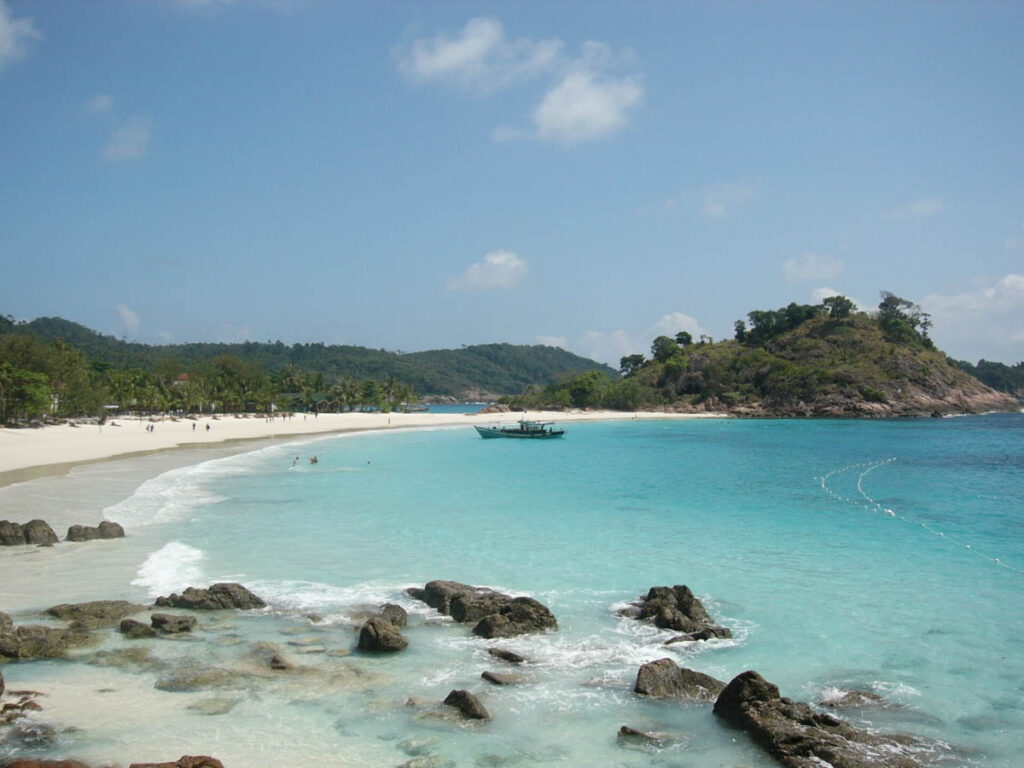


On the morning of May 14, 2026, five experienced Italian divers descended beneath the surface of Devana Kandu — a tidal channel near Alimathaa Island in the Maldives’ Vaavu Atoll, approximately 100 kilometres south of the capital Malé — and entered a labyrinthine underwater cave system at a depth far exceeding both Maldivian law and the boundaries of recreational scuba diving. None of them would resurface alive.
What followed over the next four days was a harrowing multinational effort to recover their remains from one of the most dangerous subaquatic environments on earth — an operation that claimed yet another life, exposed serious institutional failures in the recovery chain, and triggered a worldwide conversation inside the professional dive community about the fine, fatal line between ambition and recklessness.
The deaths constitute the deadliest single diving incident in Maldives history. They have prompted a criminal investigation by both Maldivian police and the Rome Prosecutor’s Office, the indefinite suspension of the liveaboard vessel’s operating licence, and a raw, unflinching debate on international dive forums about what actually went wrong — and who bears responsibility.
The Dive That Turned Fatal
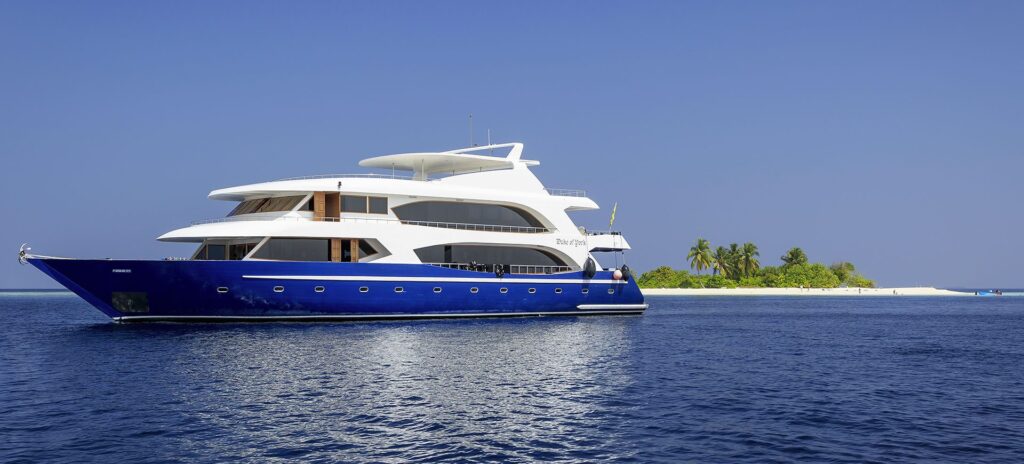
The five Italians were travelling aboard the Duke of York, a liveaboard vessel operated by Luxury Yachts Maldives and catering to technical and rebreather divers, as part of a week-long trip in the Vaavu Atoll. In total, 25 Italian nationals were associated with the expedition on the vessel; the remaining 20 individuals stayed aboard safely. Four of the five victims were affiliated with the University of Genoa and were in the Maldives as part of a broader research project, with coral sampling at standard recreational depths as the stated objective.
The dive commenced on Thursday morning. The group was officially reported missing after failing to surface by midday.
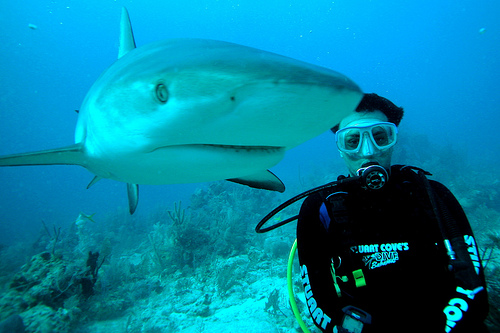
According to local sources and diving forum investigators, the team entered the water using standard single-tank configurations breathing regular air — not trimix, not heliox, and with no confirmed helium-based bottom gas infrastructure on board the Duke of York. The vessel is reported to have provided both standard air and Nitrox 28 as its available breathing gases. This detail became the single most alarming data point for technical divers analysing the incident.
Nitrox 28 at a depth of 60 metres produces an oxygen partial pressure approaching 2.0 ATA. For context: the accepted maximum operating depth for Nitrox 28 is typically around 30 metres for recreational use. At 60-plus metres, the risk of acute oxygen toxicity — which can cause sudden convulsions with no warning, at which point drowning is nearly immediate — becomes a serious operational variable. As one experienced technical diver summarised on an international diving forum: “Surely that can’t be right.”
However, according to initial investigations, the fatal cave dive was not part of the university’s official scientific mission. The Italian tour operator connected with the trip, Albatros Top Boat, has categorically denied authorising or even being aware of the group’s intention to enter the cave system. Their legal representative stated the planned activities were confined to coral-sampling dives at normal depths.
“I dived this cave a number of times and with proper equipment and gas. The entrance is between 55 and 58 metres. The cave goes inside to approximately 100 metres and forks and goes deeper. Not a dive to be done on normal air or without experience in technical diving or cave training.” – — Shaff Naeem, well-known Maldives diving instructor
There is also a critical environmental detail that has received insufficient attention: at the time of the dive, a yellow weather alert was active in the Vaavu Atoll, indicating rough seas and strong winds — conditions that would subsequently severely complicate search and recovery efforts
The Maldives enforces a strict recreational diving depth limit of 30 metres for standard divers, with special permissions required for anything beyond that threshold. The cave’s entrance alone begins at between 55 and 58 metres below the surface — nearly twice the legal limit — and its system extends to a maximum depth of approximately 70 metres: roughly equivalent to the height of a 20-storey building beneath the sea. The cave features three distinct chambers, extends some 200 to 260 metres horizontally, and is characterised by pitch-black darkness, narrow passageways opening into a vast inner chamber, and unpredictable, powerful tidal currents.
At 6:13 pm on the day of the dive, the Maldives Coast Guard recovered one body inside the cave system — later identified as dive instructor and boat operations manager Gianluca Benedetti, found in the second chamber with an empty air tank. The four remaining divers were still somewhere inside, deep in the dark.
The Cave: A Technical Analysis
The Dhekunu Kandu system is not a single enclosed space. Based on information from local Maldivian diving sources and a hand-drawn sketch shared by a diver familiar with the site, the cave has the following structure:
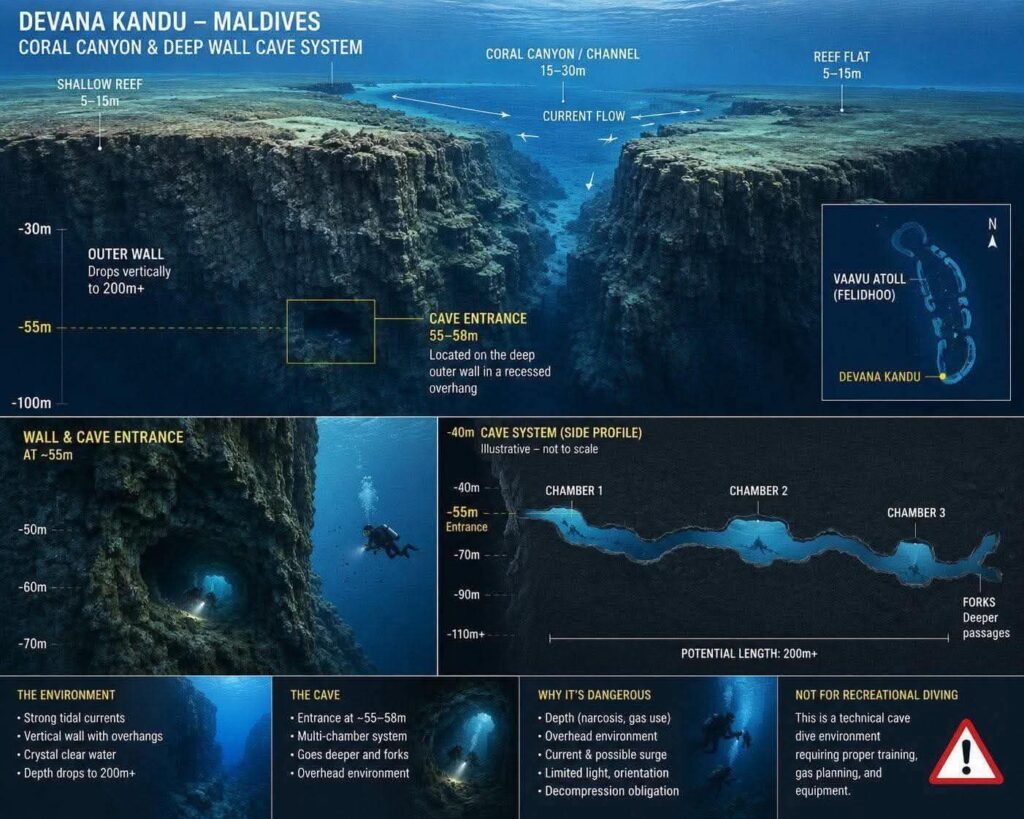
1st Chamber / Entrance: The cave entrance begins at approximately 50 metres and drops into a large cavern area at 60 metres-plus. This is the shallowest and most accessible section — though “accessible” is relative when the entrance alone is nearly double the Maldives’ legal dive limit.
The Restriction: At the back of the first chamber lies a very narrow restriction leading into a completely enclosed, 100% overhead cave system. A guideline runs through this tight passage. This is the point of no return: once through this restriction, a diver cannot make a direct ascent. There is no overhead exit. The only way out is back through the same narrow passage in the same direction it was entered.
2nd Chamber: The restriction opens into a deep secondary chamber that drops to approximately 73–75 metres. This is where the four remaining bodies were ultimately located by the Finnish DAN team — deep inside this second chamber.
Total system length: estimated between 200 and 260 metres.
At these depths, breathing air produces what technical divers know as nitrogen narcosis — a disorienting, euphoric impairment of cognitive function sometimes compared to alcohol intoxication, but often more insidious because the affected diver cannot reliably self-assess their own impairment. Combine this with the physical restriction of the passage, potential silt-out conditions, powerful tidal currents, and compressed bottom time due to gas depletion at extreme depths, and the scenario for a cascade failure becomes clear.
Investigators and forum analysts have identified two primary hypotheses for how all five divers perished:
Hypothesis 1 — Gas contamination or incorrect gas mix management: Because the entire group perished simultaneously — statistically rare even in catastrophic silt-out or entrapment scenarios — some experienced local divers suspect gas toxicity or carbon monoxide contamination. If a contaminated fill was the culprit, divers would succumb to toxicity without necessarily draining their tanks first, which would explain some of the gas readings observed.
Hypothesis 2 — Narcosis-induced disorientation and gas depletion: Given the extreme depth (70 metres-plus) on air, severe nitrogen narcosis combined with the physical restriction and a potential silt-out event could have produced a chain-reaction tragedy — one diver in distress triggering a response from the others, burning through gas reserves rapidly in an environment offering no direct ascent route.
As one diver familiar with the site noted: “The physical reality of the site — a very tight restriction dropping into a 75-metre black hole — shows just how unforgiving this environment was. We may never know the definitive truth with absolute certainty.”
Who Were the Five Divers?
All five victims were Italian nationals with significant diving backgrounds. Four were connected to the University of Genoa, which has stated that the dive was not part of its official programme and extended condolences to the families of those lost.
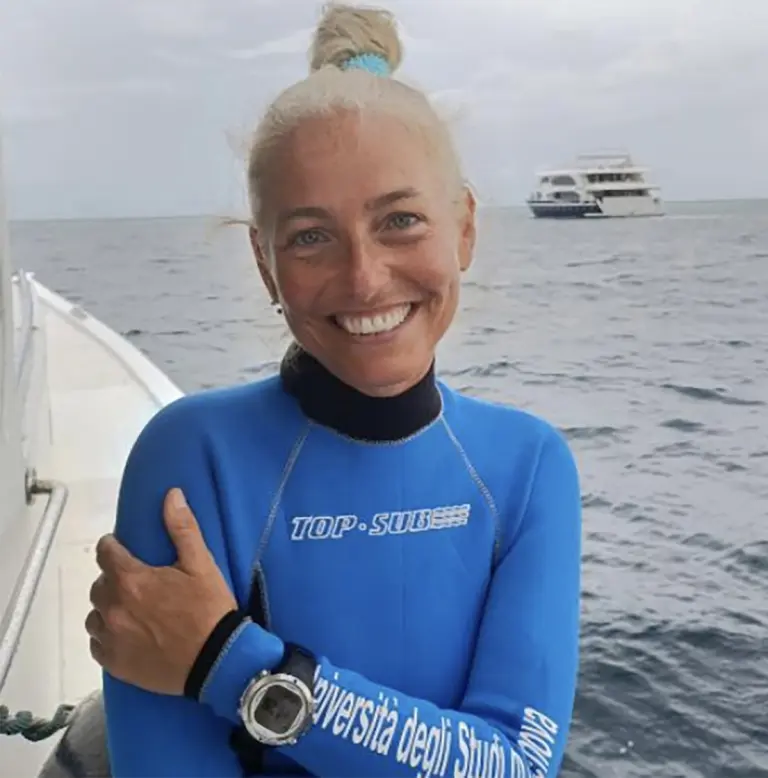
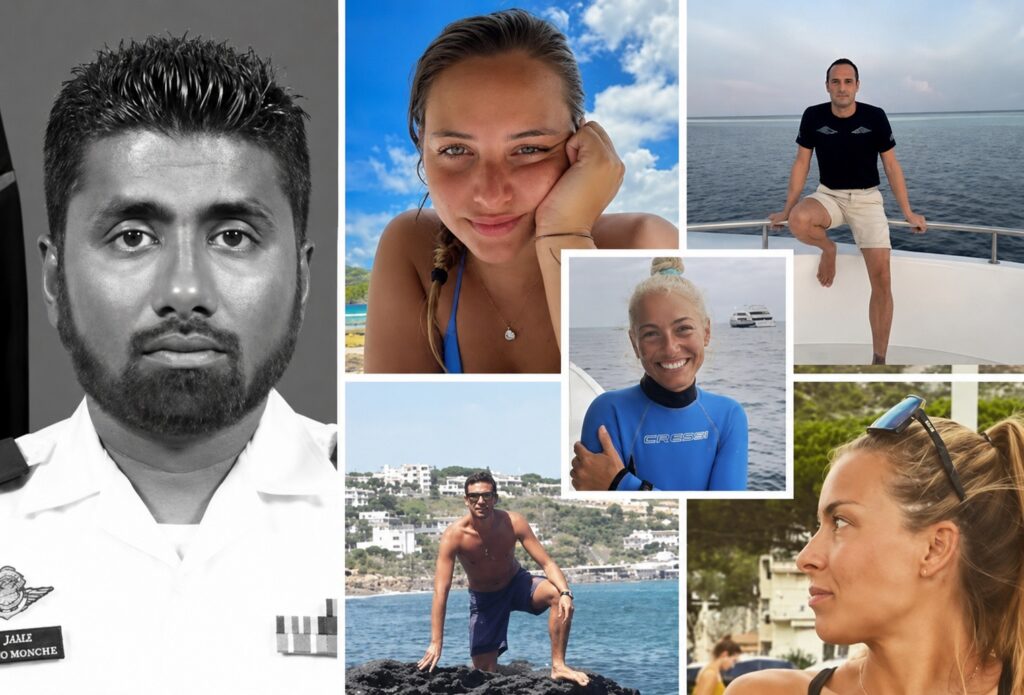
Prof. Monica Montefalcone, Associate Professor of Marine Ecology at the University of Genoa and scientific director of the Mare Caldo project, which monitors the effects of warming seas on Italian marine habitats. A familiar face on Italian television. Her husband Carlo Sommacal described her as a disciplined, careful diver who carefully evaluated risk before every dive — someone who survived the 2004 Indian Ocean tsunami while diving off the coast of Kenya.
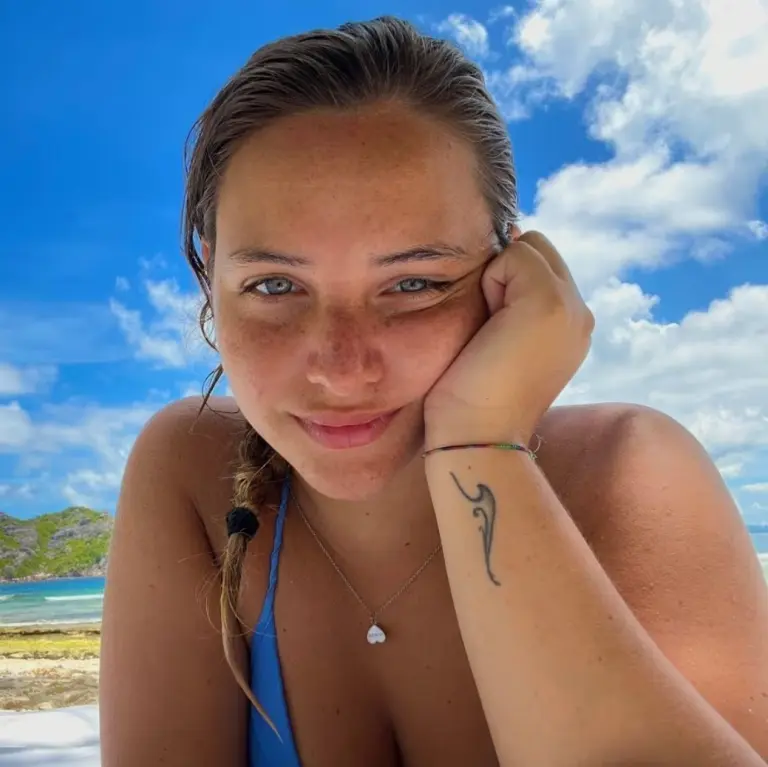
Giorgia Sommacal, 23 years old, Monica’s daughter. Part of the university research team. Her father has said he is at a complete loss to explain what could have gone wrong given both his wife’s and daughter’s extensive experience.
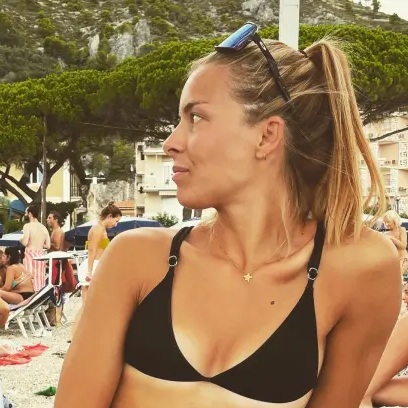
Muriel Oddenino, research fellow at the University of Genoa and part of the scientific delegation in the Maldives.
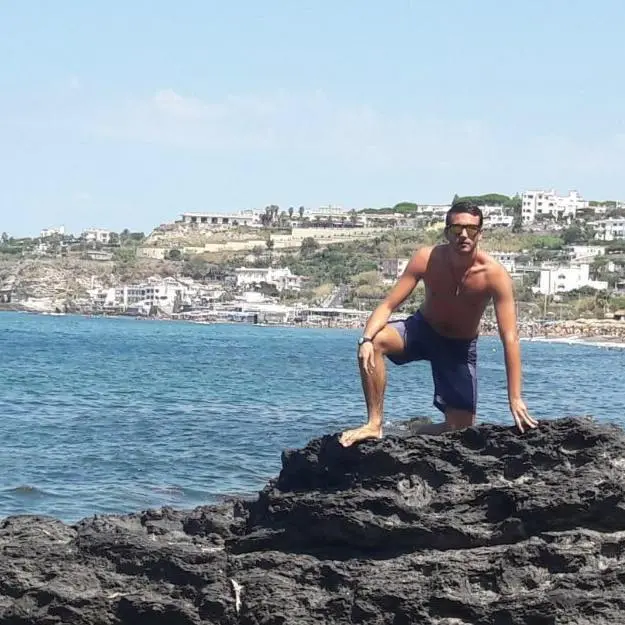
Federico Gualtieri, marine biology graduate and certified diving instructor, operating alongside the group as part of the scientific team.
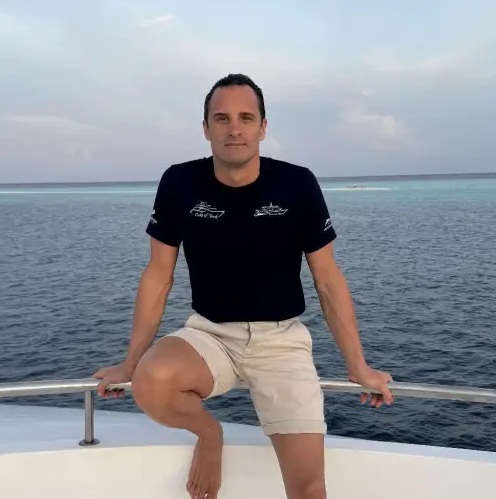
Gianluca Benedetti, certified dive instructor and boat operations manager for the Duke of York. His body was the first recovered — found in the first chamber with an empty tank, along with an empty deco tank of Nitrox that he had brought as a decompression gas. He is understood to have been the operational dive leader.
A sixth member of the group — a female University of Genoa student who had been preparing to dive — decided at the last moment not to enter the water. She survived, and has since been cooperating with investigators.
The University of Genoa clarified that while the researchers were in the Maldives for scientific fieldwork, this specific deep cave dive was executed on a personal, recreational basis outside of official university project hours.
The Equipment That Wasn’t There
The professional dive community’s response to the emerging equipment details has been unambiguous. Multiple experienced technical divers have outlined what a properly equipped team would need for a conservative deep overhead penetration of this profile:
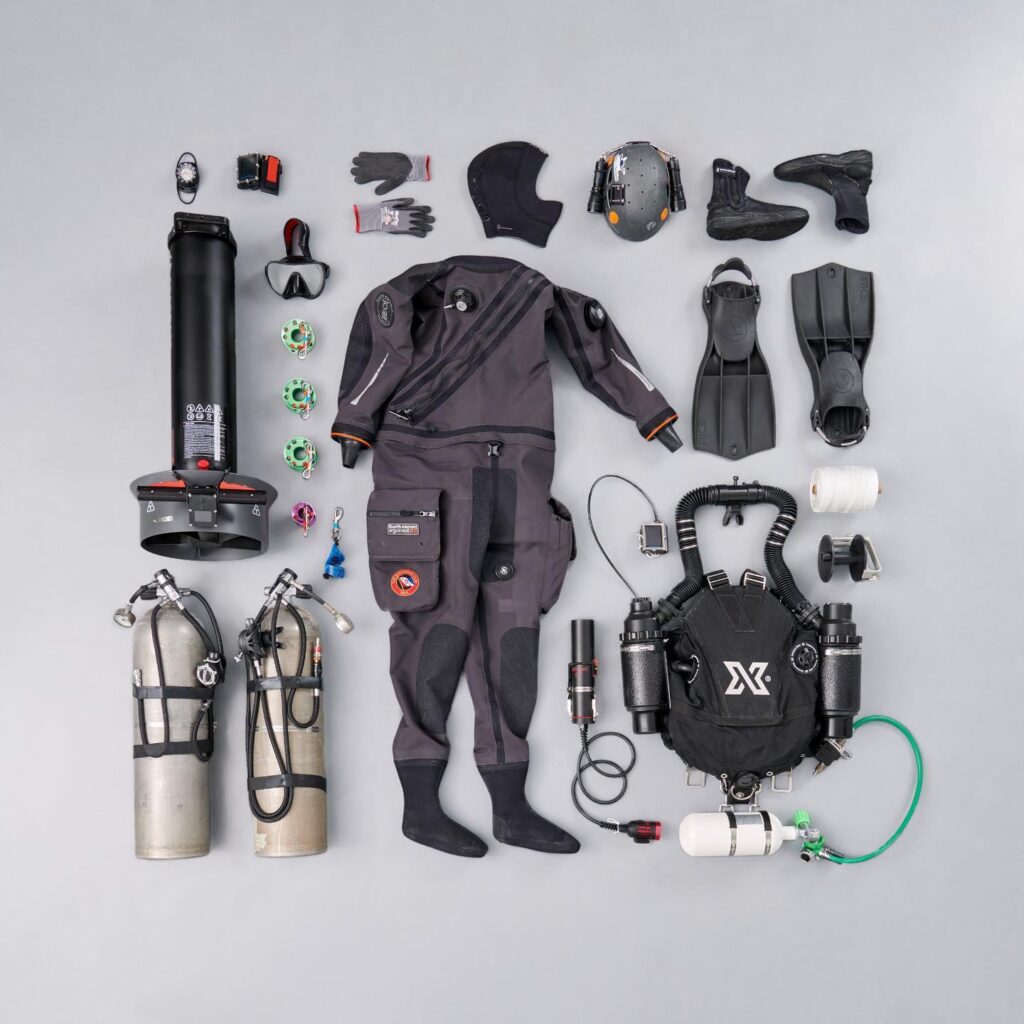
- Twin steel back-mounted cylinders (manifolded doubles)
- Trimix or heliox bottom gas
- Multiple stage and decompression cylinders
- Redundant regulators on all cylinders
- Technical backplate and wing/harness system
- Primary canister light with two or more backup lights
- Primary guideline reel with safety spools, jump reels, and line markers
- Dive computer plus backup computer/timer
- Multiple cutting devices
- Bailout gas system (essential on CCR; critical on open circuit at depth)
- Underwater scooters (DPVs) for long penetration
- Surface oxygen and decompression support infrastructure
- Emergency extraction/recovery gear and lift bags
- A decompression chamber available at or near the surface
The apparent absence of most of this equipment for a dive at 70-plus metres into a three-chamber overhead system is, to the technical dive community, the central operational failure of the incident. What has been described as available on the Duke of York — single tanks, standard air, Nitrox 28 — represents a recreational diving setup brought into a technical cave environment that would demand far more.
The Recovery Operation: Day by Day
The Dive and First Discovery
The five divers enter Dhekunu Kandu. At 6:13 pm, the Maldives Coast Guard recovers one body near the cave’s second chamber — Gianluca Benedetti, found with an empty air tank. The four remaining divers are confirmed to be deeper inside. Italian and Maldivian authorities are notified. Maldives President Mohamed Muizzu visits the site.
Search suspended — poor sea conditions
Recovery operations resume but MNDF divers can only penetrate as far as the second chamber without locating further remains. Difficult weather and sea conditions, combined with the yellow weather alert still active over the atoll, force a suspension. The Maldives Ministry of Tourism indefinitely suspends the Duke of York’s operating licence pending investigation.
A Second Tragedy
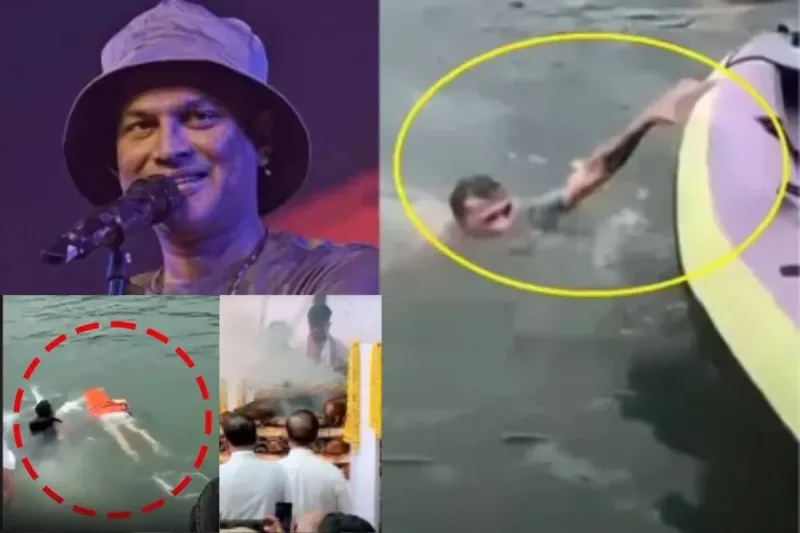
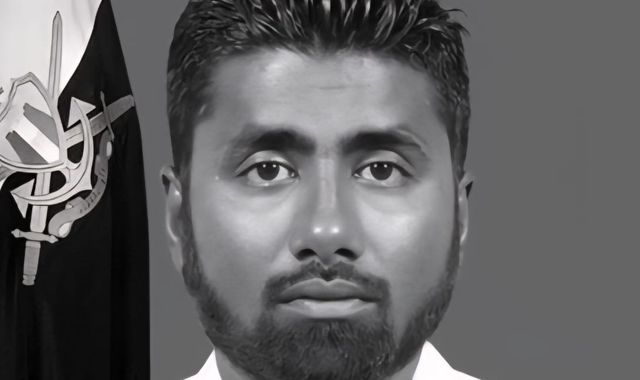
During a second recovery mission, Senior MNDF diver Sgt-Major Mohamed Mahudhee, 43, conducts a dive to approximately 60 metres using open-circuit scuba on standard air — a single-tank configuration. He subsequently develops severe decompression illness. With no decompression chamber available on the operational boat, he is evacuated to hospital in Malé but cannot be saved.
The international diving community reacted with alarm to the details of the recovery dive configuration. Forum contributors, many with thousands of dives and military or technical backgrounds, described the setup as “insanity” — noting that conducting a 50-plus metre body recovery in an overhead cave environment with a single open-circuit tank on air, with no chamber on deck, was itself a recipe for the exact outcome that occurred.
DAN Europe Mobilises Finnish Specialists
DAN Europe dispatches three Finnish cave-diving experts to the Maldives: Sami Paakkarinen, Patrik Grönqvist, and Jenni Westerlund. Paakkarinen and Grönqvist are known internationally through the 2016 documentary Diving Into The Unknown, which chronicled a complex cave recovery operation in Plura, Norway. All three are CCR (closed-circuit rebreather) divers. The team spends the day in detailed preparation and does not dive until conditions and planning are fully assessed. Specialist equipment is additionally provided by Australia and the United Kingdom.
All Four Bodies Located
At approximately 8:30 am, the Finnish-led team enters the cave on CCR equipment. The dive lasts approximately three hours. The team successfully penetrates all three chambers and locates all four remaining bodies deep inside the third and largest section of the system, “pretty much together.” A Maldives government spokesman confirms the discovery. Staged recovery of remains is planned over the following days.
The Hero of the Recovery: Sgt-Major Mohamed Mahudhee
The death of Sergeant-Major Mohamed Mahudhee deserves more than a footnote. It represents a secondary catastrophe that, in the view of experienced observers, was entirely preventable — and it reveals something important about how institutional pressure operates inside hierarchical organisations.
President Muizzu visited the recovery site the day before Mahudhee’s fatal dive, surrounded by at least nine high-ranking officials: the President himself, the Minister of Homeland Security, the Minister of Foreign Affairs, the Minister of Tourism, and the Chief Government Spokesperson, among others.
“He was one of the most senior divers, which shows just how challenging this dive is.” – Mohamed Hussain Shareef, Chief Spokesperson, Maldives Government
Civilians often misunderstand how pressure works in these situations. There are rarely explicit orders. The pressure exists in the atmosphere itself. A diver standing on deck surrounded by cabinet ministers, generals, tourism officials, and international media does not need to be told to enter the water. The unspoken expectation is there. Nobody wants to be the professional who says, in front of grieving families and national media, “this is unsafe.” The tourism industry of a diving nation is on trial. National competence is on trial.
The terrible irony is that experienced professionals often can manage impossible situations — right up to the precise moment they cannot. Mahudhee may have genuinely believed the risk was manageable. That is the nature of institutional momentum. And underwater, physics does not care about morale, or rank, or the presence of ministers on a boat nearby.
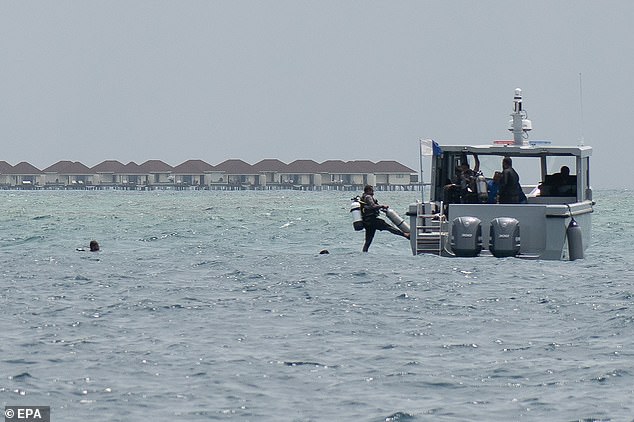
His death exposed a second critical failure: the absence of a recompression chamber on the operational vessel. For a recovery mission into a 60-metre-plus overhead environment, a chamber should have been considered non-negotiable mission infrastructure. It was not present. When Mahudhee surfaced with decompression illness, the only option was a long evacuation to Malé — and the treatment window for severe DCS closes quickly.
The Liability Architecture: Who Is Shifting Blame?
Large maritime disasters involving wealthy institutions, insurance companies, governments, and tourism boards do not stay simple for long. The liability architecture begins shifting almost immediately, and this case is no exception.
The opening moves are already visible. The Italian tour operator Albatros Top Boat’s legal representative has stated the group was only authorised for coral-sampling dives at standard depths, and that no one was informed of a plan to exceed 30 metres. The University of Genoa has distanced the dive from its official scientific mission. The Maldivian government faces its own accountability questions over the recovery operation.
None of this necessarily means anyone is lying. It is simply how large incidents of this nature evolve once lawyers, insurers, governments, and tourism boards assume control of the narrative. Certain framings begin to dominate: the victims had impressive credentials; the cave was unpredictably dangerous; the operator had no knowledge of the plan; it was a personal decision made independently. Each of these statements may contain truth. Together, they construct a shared no-fault narrative.
The Rome Prosecutor’s Office has opened a formal criminal investigation. Maldivian police are conducting their own inquiry in parallel. The Italian Ministry of Foreign Affairs is monitoring closely. What those investigations ultimately conclude about responsibility — for the original dive plan, for the gas configuration, for the recovery decision, for the absence of a chamber — will determine whether this tragedy produces systemic change or quietly disappears into legal proceedings.
The Finnish Specialists: Cave Diving’s Last Resort
The mobilisation of DAN Europe’s Finnish team represented a recognition that the cave had exceeded the capability of standard military dive operations. DAN Europe — the Divers Alert Network, one of the world’s foremost dive safety organisations — specifically sought specialists in deep cave-diving with a proven record in complex underwater recovery operations.
Sami Paakkarinen and Patrik Grönqvist are well known in the cave-diving world. Both participated in the 2014 Plura Cave incident in Norway — a mission immortalised in the documentary “Diving Into The Unknown” (2016) — as well as a complex cave recovery mission in Mexico the same year. Jenni Westerlund completed the trio. All three are CCR (closed-circuit rebreather) divers: rebreathers recycle exhaled gas, dramatically extending dive time and reducing bubble exhalation, which can disturb cave sediments and reduce visibility.
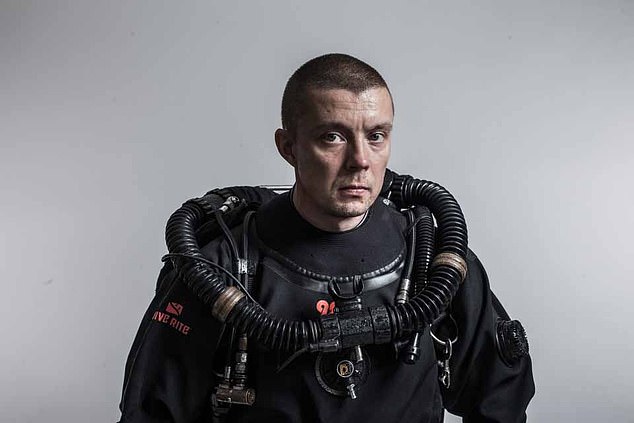
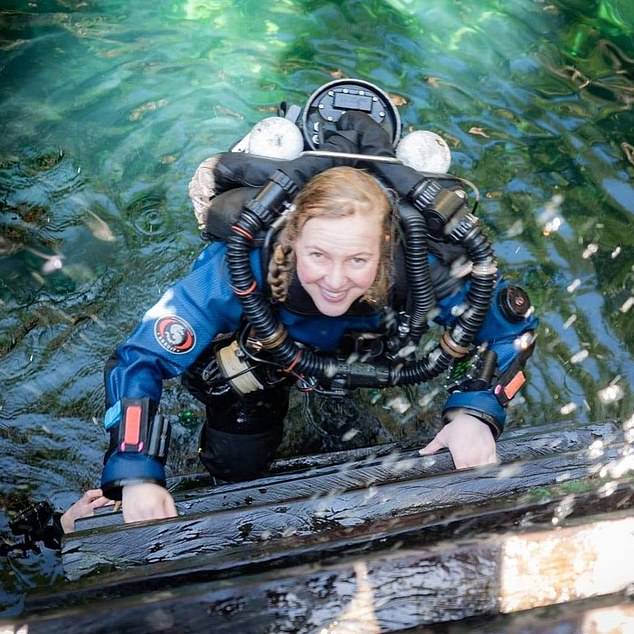
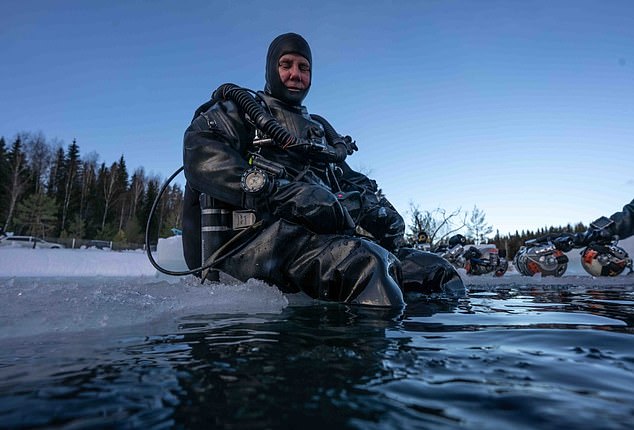
What Is a CCR Rebreather? A closed-circuit rebreather (CCR) removes carbon dioxide from exhaled gas and supplements it with small amounts of fresh oxygen, allowing the diver to re-breathe the same gas mix. Unlike open-circuit scuba, a CCR produces no bubbles, conserves gas dramatically, and can sustain dives of many hours — making it the preferred tool for deep cave penetration work. CCR diving requires extensive specialist training and is considered one of the most technically demanding disciplines in the sport.
The Finnish team’s initial intervention on May 18 was described by DAN Europe as an assessment and location dive. They successfully explored all three chambers, assessed environmental and operational conditions, located all four remaining victims, and gathered the critical intelligence needed to plan subsequent body-recovery phases.
A Message to the Dive Community
This tragedy is not a story about reckless amateurs ignoring warnings. It is a story about accomplished, passionate ocean scientists and professionals who were drawn to a place that demanded more than even they could bring to it. Cave diving operates in one of the most unforgiving environments on earth, where a single miscalculation — in gas planning, navigation, equipment, or current assessment — can cascade rapidly into an unsurvivable situation.
“And also, if the cave becomes silty, as is normal for this type of cave if you touch the walls or the floor, finding the way out becomes much more difficult.” – Laura Moroney, CEO, DAN (Divers Alert Network)
The diving world has ironclad rules for a reason: the rule of thirds in gas management; the absolute necessity of cave-specific training before entering overhead environments; the requirement to carry primary, secondary, and backup lights; the practice of always leaving a guideline to the exit; the discipline never to dive beyond your training or equipment. These are not bureaucratic hurdles — they are the accumulated lessons of disasters exactly like this one.
In Memoriam
To the families of Monica Montefalcone, Giorgia Sommacal, Muriel Oddenino, Federico Gualtieri, and Gianluca Benedetti, Diventures Magazine extends its deepest condolences. To the family of Sgt-Major Mohamed Mahudhee, who gave his life in service of bringing others home, we offer our profound respect and gratitude. And to the Finnish divers of DAN Europe, and every rescue diver who entered that cave knowing the risk: the diving community sees you.
We will continue to follow this story as the investigation unfolds.

Mohsen Nabil is the Founder and Editor-in-Chief of Diventures Magazine. A mechanical engineer and scuba diving instructor based in the Red Sea, he writes about diving safety, marine conservation, underwater exploration, and developments in the global dive industry. Through Diventures Magazine, he works to connect divers, scientists, and ocean advocates while promoting responsible diving and protection of the oceans.