

The recent scuba diving incident has raised significant concerns about safety protocols and the responsibilities of dive leaders. This unfortunate occurrence transpired at a popular diving location known for its vibrant marine life and stunning underwater landscapes. On this particular day, conditions were generally favorable; the weather was clear, and visibility was high, which typically attracts a large number of divers. However, this incident serves as a stark reminder of the importance of vigilance and proper conduct in potentially perilous underwater environments.
According to reports, a group of divers was submerged when the designated skipper abandoned the dive site unexpectedly. The group was scattered at varying depths, exploring different sections of the reef. However, unbeknownst to the divers, the skipper had left the vessel to attend to an unrelated matter, thereby leaving the passengers adrift in open water. This lapse in judgment could have had dire consequences for the safety of the divers, particularly for those less experienced or unprepared for such a scenario.
Local authorities and diving organizations emphasize the need for stringent oversight in the scuba diving industry. Factors contributing to this incident include lapses in communication, inadequate safety protocols, and a lack of sufficient training for dive leaders. These issues highlight an urgent need for improved standards in dive operations to mitigate risks and ensure the safety of all participants. As investigations into the incident continue, it is crucial to address these shortcomings to prevent similar occurrences in the future and to uphold the safety of scuba diving as a recreational activity.
Immediate Response and Rescue Efforts
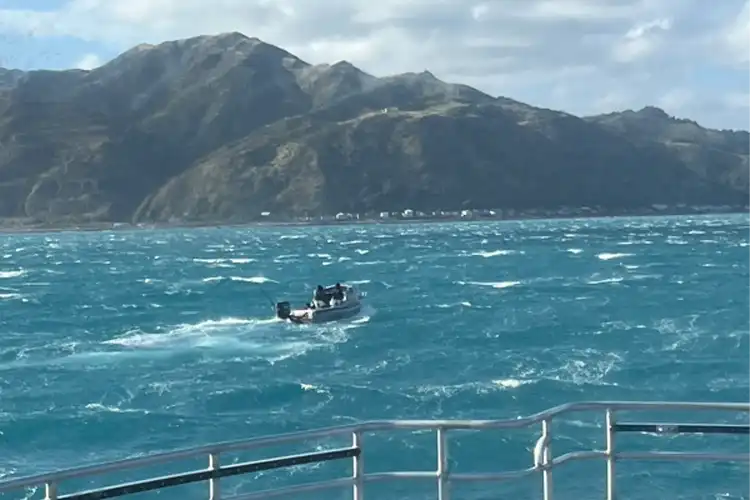
The scuba diving incident, which has raised significant safety concerns within the diving community, commenced when the skipper inadvertently left several passengers drifting in open waters. The alarming situation promptly triggered distress signals that echoed through communication channels, alerting nearby vessels and dive shops to the urgent need for assistance.
Upon receiving the alert, boat crews and fellow divers from nearby diving groups acted swiftly. The operational protocol in such emergencies emphasizes immediate awareness and mobilization. Within minutes, multiple boats, equipped with necessary life-saving equipment, set out to locate and retrieve the stranded divers. Subsequently, emergency communication systems were employed to coordinate the rescue efforts, ensuring that all actions were synchronized and efficient.
Simultaneously, a timeline of the events was meticulously established to track the status of the divers. This timeline was crucial, as it allowed rescuers to estimate the divers’ potential exposure to the open sea and adverse conditions. Efforts were sustained with regular updates from the divers who remained in contact via emergency inflatable signaling devices. Their descriptions of their surroundings aided in pinpointing their location more accurately, empowering rescue teams to devise the most effective routes for retrieval.
As rescue operations progressed, divers from the local dive community rallied together, reflecting on the essential nature of camaraderie and teamwork during crises. Equipped with their expertise and quick thinking, they played an invaluable role in supporting the primary rescue crews. The readiness of these divers to assist underscored the importance of training and preparation in emergency response scenarios within the scuba diving industry.
Safety Protocols and Lessons Learned
In the realm of scuba diving, safety protocols are paramount to ensure the well-being of all participants. The recent incident involving a skipper who left passengers drifting raises urgent questions about the existing safety measures in place during diving excursions. Such situations underscore the necessity for comprehensive safety protocols that encompass meticulous communication, thorough training, and vigilant preparation.
First and foremost, effective communication is crucial. Divers must receive clear instructions prior to descent, including emergency procedures and the importance of remaining within close proximity to their group. This incident illustrates how lapses in communication can lead to perilous situations, emphasizing the need for well-practiced pre-dive briefings. All divers should be encouraged to engage in open dialogue with their guides to clarify any uncertainties, which is essential for group dynamics and safety.
Training also plays an essential role in preventing incidents. Dive operators should ensure that their staff undergo regular training sessions to stay updated on safety protocols and emergency response techniques. This includes refresher courses in first aid and rescue techniques, as well as simulations of various emergencies. Regular drills not only enhance the crew’s readiness but also instill confidence in passengers, making them more likely to heed safety advice.
Lastly, adequate preparation cannot be overstated. Dive operators should guarantee that all equipment is thoroughly checked and maintained prior to excursions. Additionally, contingency plans should be established to account for emergencies, including measures to retrieve and support any divers who might find themselves at risk. By taking these proactive steps, the likelihood of accidents can be significantly reduced, fostering a safer environment for divers.
In conclusion, the analysis of safety protocols and the lessons learned from such incidents are vital components in the ongoing effort to enhance the scuba diving experience. By placing a strong emphasis on communication, training, and preparation, dive operators can mitigate risks and ensure the safety of their passengers.
Reactions and Industry Impact
The recent scuba diving incident involving the skipper leaving passengers adrift has elicited a wide range of reactions from the diving community, the affected passengers, and industry experts. Many divers and scuba enthusiasts have expressed profound concern about safety protocols and the apparent lapse of judgment displayed by the skipper. This incident has sparked discussions regarding the importance of comprehensive safety training for all personnel involved in scuba diving operations, emphasizing the need for stricter adherence to established safety protocols.
Passengers who experienced this alarming incident have shared their stories, highlighting feelings of vulnerability and abandonment. Their accounts reflect the emotional and psychological impact that such events can have on individuals, potentially deterring them from future diving activities. This emotional reaction has prompted industry stakeholders to reassess the emphasis placed on passenger safety, underscoring the paramountcy of timely communication and support during crises.
As for industry experts, there is consensus that regulatory bodies may be compelled to revisit existing safety regulations in the scuba diving sector. There is a growing belief that enhanced training requirements for skippers and crew members could prevent similar incidents in the future. Potentially, this could lead to the implementation of standardized safety procedures across the industry, ensuring a more uniform approach to passenger safety and risk management.
Furthermore, the scuba diving industry must recognize the broader implications of such incidents on public perception. There is a risk that negative publicity and fear could overshadow the enjoyment and thrill associated with scuba diving. As a result, fostering a culture of transparency and accountability becomes increasingly important for maintaining the trust of current and prospective divers. In conclusion, the incident serves as a critical reminder of the responsibility scuba diving operations hold for ensuring the safety and well-being of their passengers, which ultimately shapes the industry’s future reputation.

Diventures Team is a multidisciplinary team of scuba professionals, editors, and digital creators, producing accurate and experience-driven coverage of diving, marine life, and ocean culture.