
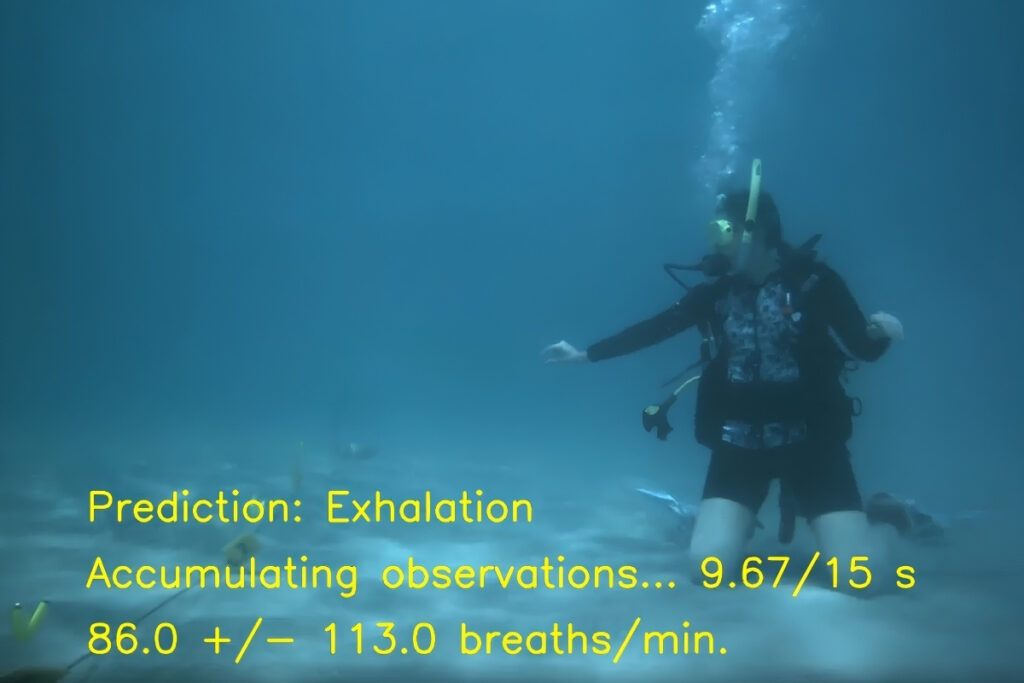

Researchers at the University of Minnesota Twin Cities have developed an artificial intelligence system that allows an underwater robot to estimate a scuba diver’s breathing rate simply by watching the bubbles released from a regulator with each exhalation. The peer reviewed study, published in The International Journal of Robotics Research, is described by the team as the first demonstration of robotic vision being used to measure a diver’s respiration.
The system works with ordinary underwater camera footage, meaning divers do not need to wear an additional sensor. Conventional health monitoring tools, including wearables that rely on skin contact or wireless transmission, tend to perform poorly underwater because thick wetsuits block skin contact and water limits signal range. A contactless, camera based approach sidesteps both problems.
How the robot identifies a breath
The robot’s cameras track the bursts of bubbles produced with each exhalation, and its software converts the pattern of bubble bursts into an estimated number of breaths per minute. Because underwater footage is frequently murky, the researchers built what they call a fuzzy labeling system. Thousands of underwater images were manually reviewed and matched against audio recordings of regulator exhalations, allowing the AI to learn what a real breath looked like even in imperfect visibility.
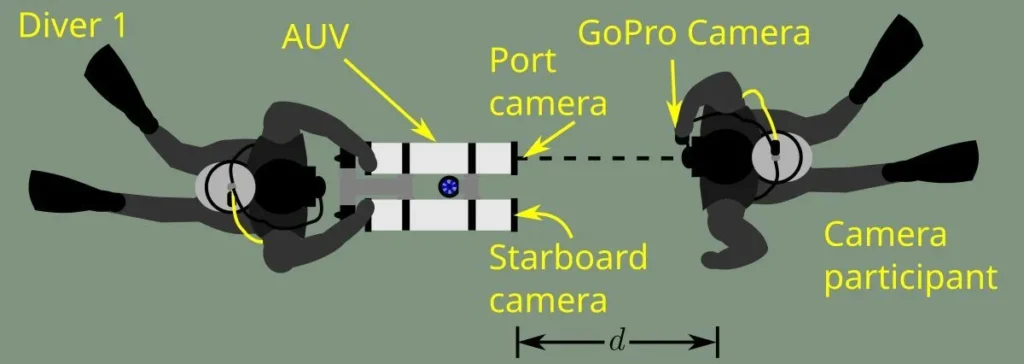
Training and testing data were gathered in Minnesota lakes, including Lake Superior and Square Lake, as well as in open water off Barbados in the Caribbean, exposing the system to a range of temperatures and visibility conditions.
Three status bands, not a diagnosis
During field trials, a companion system called HREyes sorted breathing readings into three categories: below normal, normal, and above normal, with fewer than 14 breaths per minute classified as below normal and more than 20 classified as above normal. The robot can then display that status to the diver, functioning as an unusual reading indicator rather than a confirmed emergency alarm.
Junaed Sattar, associate professor of computer science and engineering at the university and senior author of the study, said the goal was to give divers a dedicated robotic safety partner that could act as a second set of eyes for detecting physiological stress underwater, with future work aimed at monitoring groups of divers rather than a single diver at a time.
What remains unproven
The study compared the robot’s breathing estimates against human analysis of the same footage, but it did not establish whether the readings can reliably identify diver stress or predict an approaching emergency. Lead author Demetrious Kutzke, a doctoral student on the project, noted that monitoring breathing is routine on land but becomes a significant technical challenge underwater.
The researchers’ next step is to combine respiration data with an analysis of diver movement, aiming to build a fuller physiological profile that could support safety decisions during deep or extended dives. For now, the system can report a breathing rate. It cannot yet tell a diver, or a dive team, what that rate means.

Business Development Director | Scuba Plus
Tamer brings a sharp analytical background from his senior career in risk management to the diving industry. An expert SDI/TDI Technical Instructor, he focuses on high-level education and environmental advocacy. As a co-founder of the Code Red Sea initiative, he actively leads underwater clean-ups and environmental awareness efforts across Egypt.