
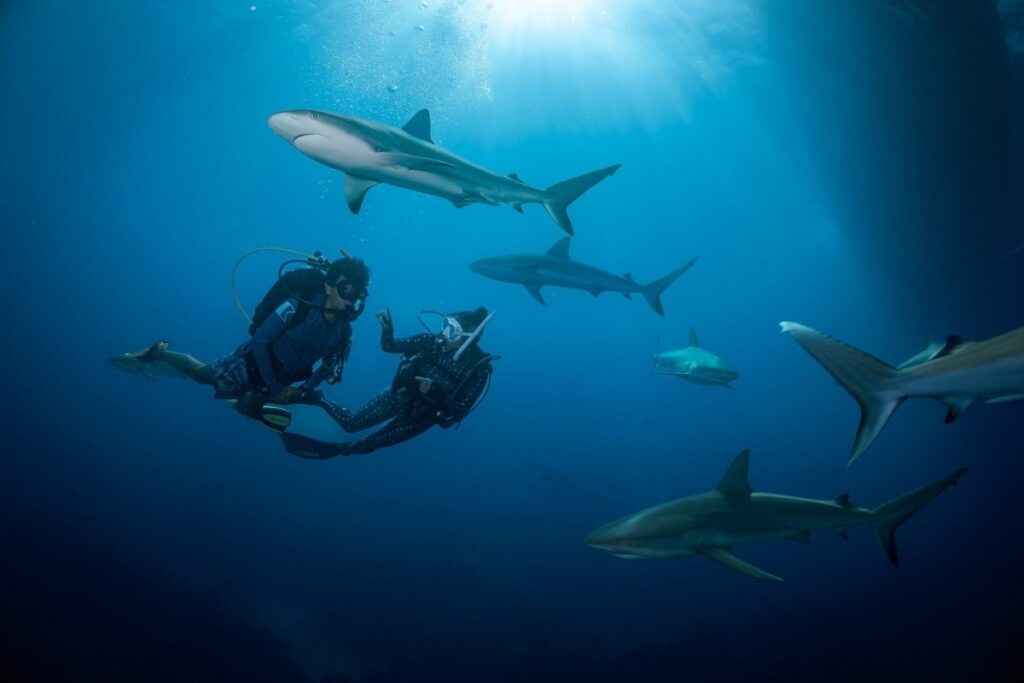

Encountering a shark underwater is one of diving’s most electrifying moments. For newcomers, the instinct is often fear, but for most divers who have experienced it firsthand, the moment becomes something closer to awe.
Sharks have long carried an unfair reputation as dangerous predators, yet the numbers tell a very different story. According to the Florida Museum of Natural History’s International Shark Attack File, the chance of being bitten by a shark remains extremely low, and the odds of a fatal shark encounter are estimated at roughly 1 in 4.3 million, far lower than the risk of drowning itself.
The real danger runs in the opposite direction. Sharks and rays are killed by humans at an enormous scale each year, largely through commercial fishing, and a significant share of shark and ray species now face a heightened risk of extinction. Citizen science initiatives have emerged in recent years to help track shark and ray populations, inviting recreational divers to log sightings that can feed into broader research on these animals and the ecosystems that depend on them.
For travelers building a bucket list around these encounters, here are seven of the best destinations in the world to dive with sharks, drawing on Diventures’ own regional coverage of the Red Sea and established shark diving destinations worldwide.
Great Barrier Reef, Australia
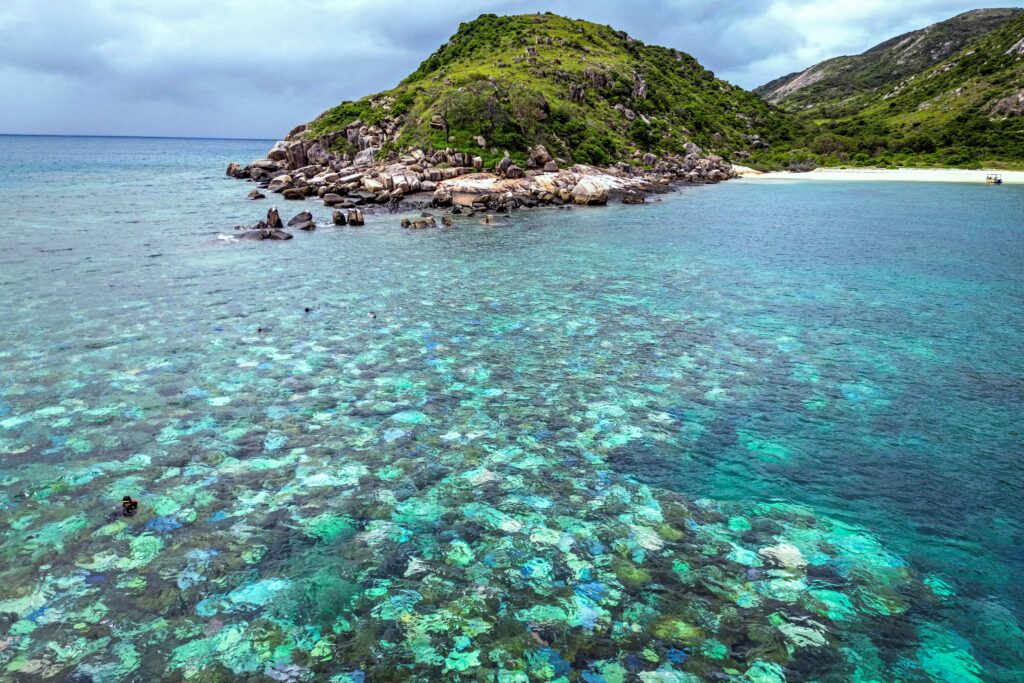
No dive destination carries more global recognition than the Great Barrier Reef. Its reef systems support a wide range of sharks and rays, including white tip and black tip reef sharks, tawny nurse sharks, leopard sharks and eagle rays. Operators such as ProDive Cairns and Divers Den run regular trips into these waters from Cairns.
Krabi, Thailand
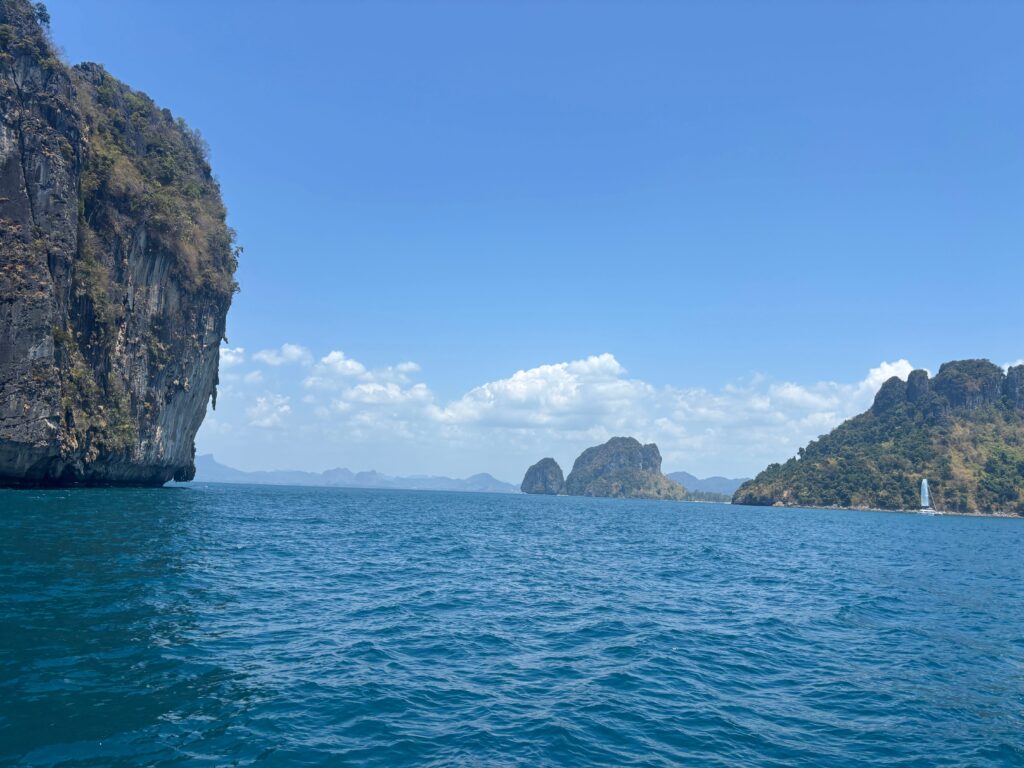
Quieter than nearby Phuket but no less rewarding, Krabi sits beneath a dramatic skyline of limestone islands. Divers here regularly encounter black tip reef sharks, bamboo sharks, leopard sharks and several ray species. Fast Manta Krabi is among the operators running dive excursions to these sites.
Ishigaki, Japan
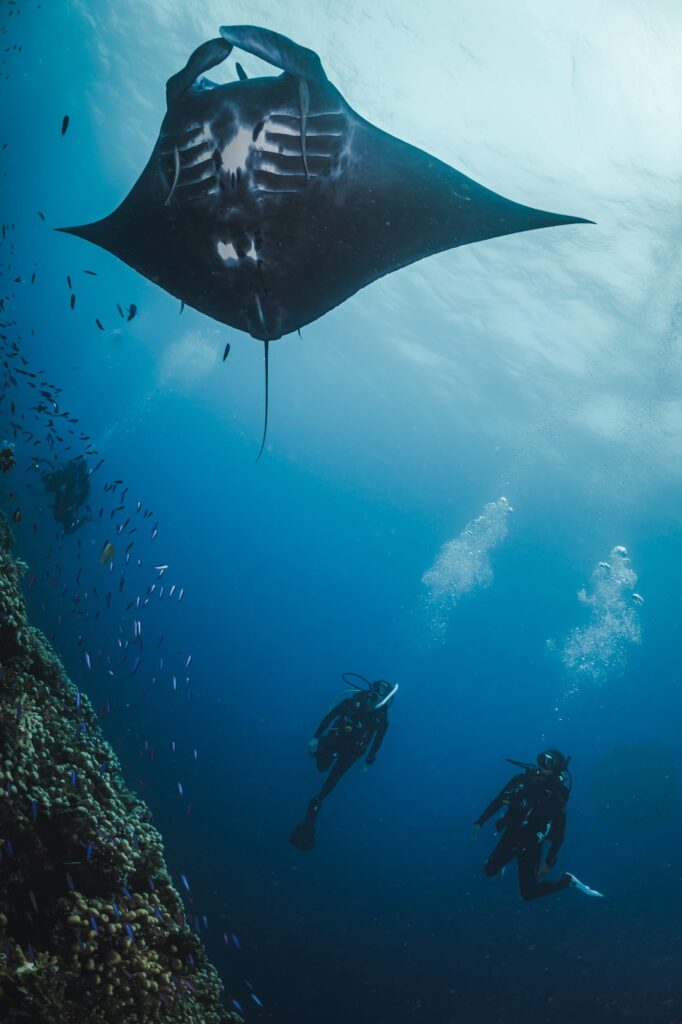
Located in Okinawa, often described as Japan’s answer to Hawaii, Ishigaki hosts one of the largest known manta ray populations in the region. Between July and October, divers can visit manta cleaning stations, where the giant rays hover above reefs while smaller fish remove parasites and dead skin, a striking example of symbiosis playing out in real time. Euro Divers Club Med Kabira Beach operates in the area.
Fiji
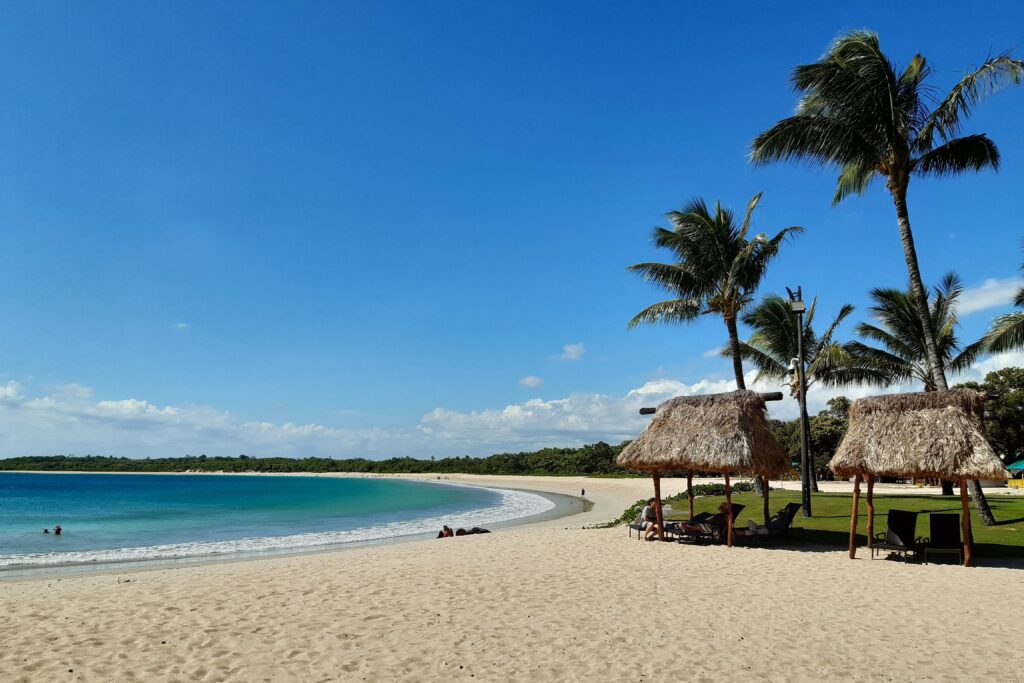
Beyond its reputation as a beach destination, Fiji’s waters host eight shark species, including tiger and bull sharks. In 2004, the country established the Shark Reef Marine Reserve, its first national marine park and a dedicated shark sanctuary, created after local communities agreed to give up fishing rights in the area in exchange for sustainable tourism revenue. Beqa Adventure Divers operates dives in the reserve.
Bimini, Bahamas
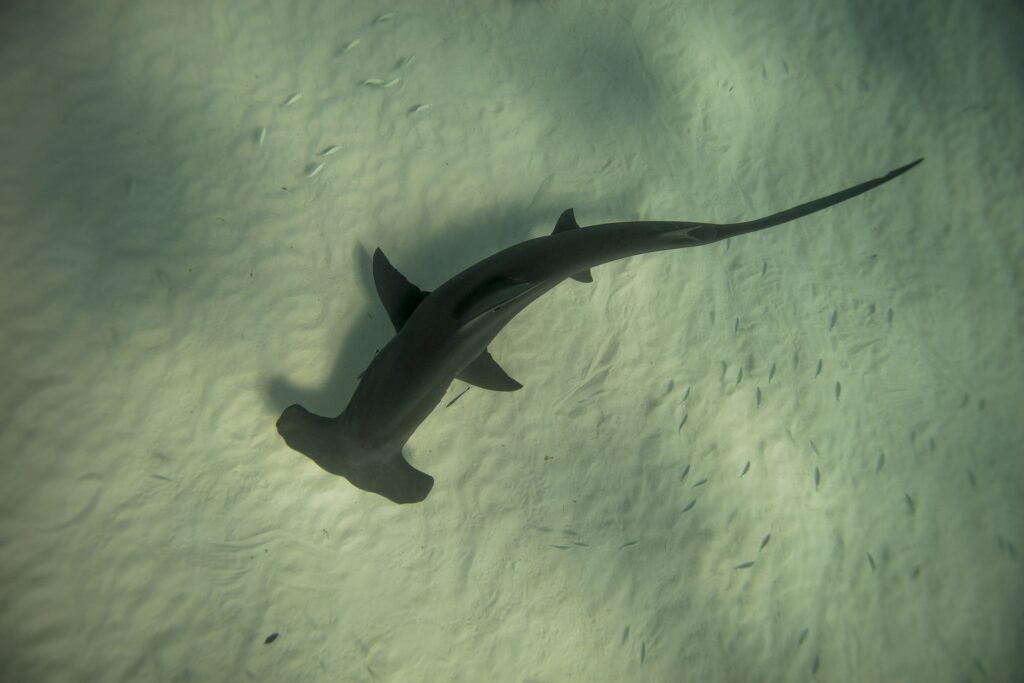
Bimini draws divers hoping to see hammerhead sharks, which gather over the islands’ shallow sand flats between November and April. Lemon sharks, nurse sharks and Caribbean reef sharks are also commonly seen in these waters. Neal Watson’s Bimini Scuba Center is among the operators running trips there.
Aliwal Shoal, South Africa
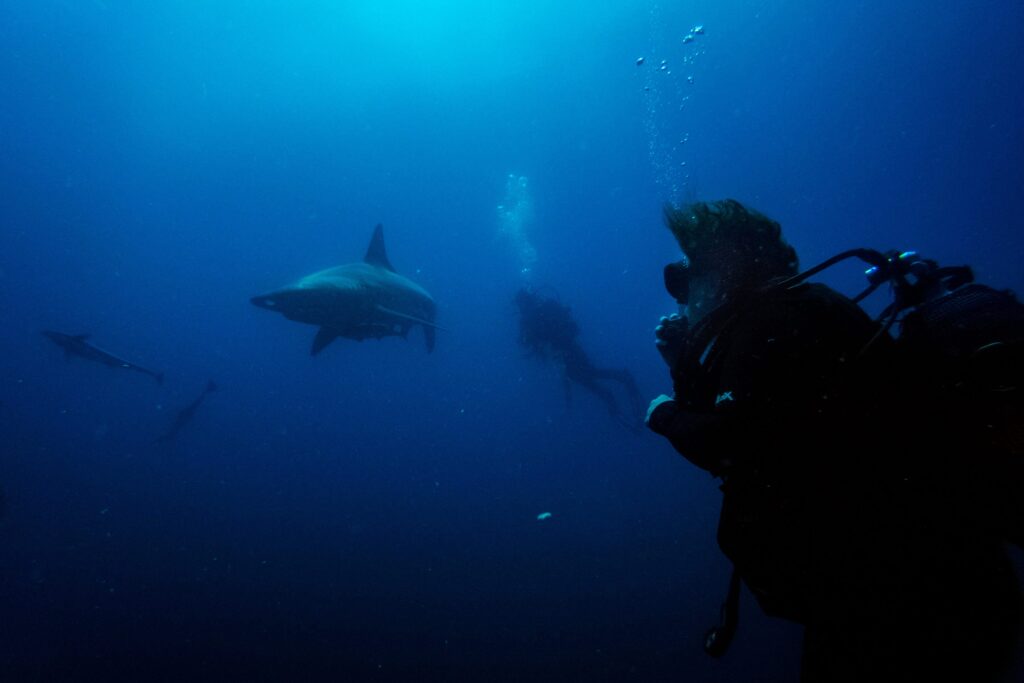
Formed from an ancient fossilized sand dune off the coast of Umkomaas, Aliwal Shoal is a designated marine protected area known for its dramatic shark encounters. Between July and November, gray nurse sharks, known locally as ragged tooth sharks, gather at the site to mate. The Aliwal Dive Centre operates dives in the reserve.
The Egyptian Red Sea
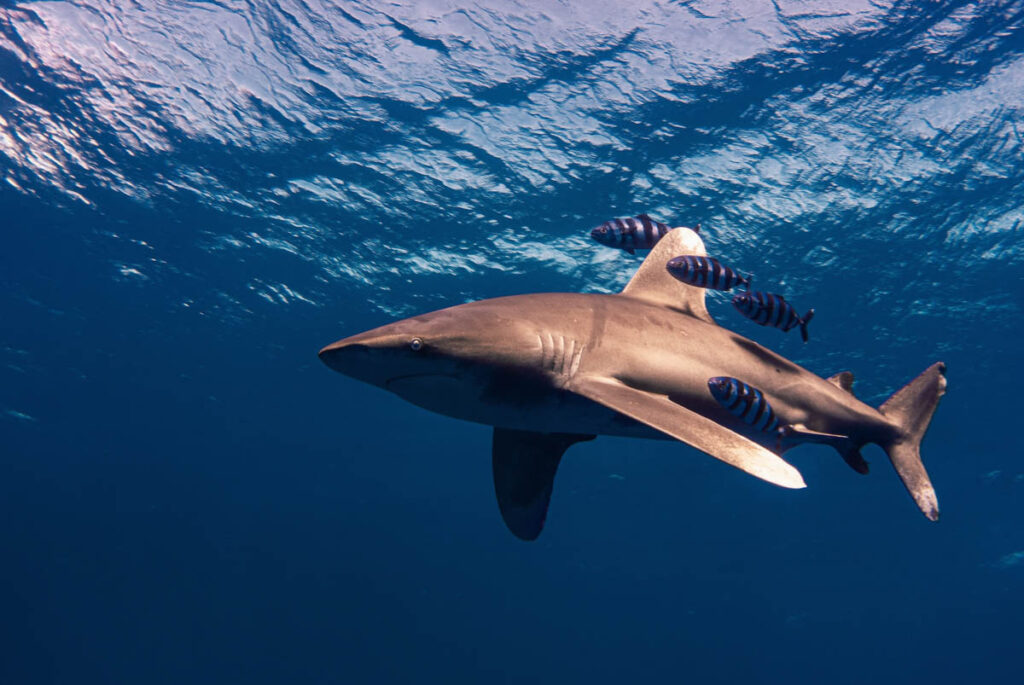
No list of world class shark diving is complete without the Egyptian Red Sea, one of the most consistent big shark destinations anywhere in the world. Sites such as Elphinstone Reef and Daedalus Reef, both reached by liveaboard from Marsa Alam or Port Ghalib, are known for oceanic whitetip shark encounters, particularly in the autumn months, along with scalloped hammerheads, grey reef sharks and, at certain times of year, thresher sharks. Ras Mohammed National Park, at the southern tip of the Sinai Peninsula, adds grey reef sharks and occasional whitetip and silvertip sightings against a backdrop of steep reef walls and strong currents. The Red Sea’s warm water, excellent year round visibility and dense reef biomass have made it one of the region’s most sought after destinations for divers specifically chasing shark encounters, and Egyptian dive operators have increasingly built conservation awareness briefings into shark focused liveaboard itineraries.
Diving with sharks in their natural environment remains one of the most powerful ways to understand why these animals deserve protection rather than fear. Citizen science programs built around diver sightings suggest that the diving community itself, camera in hand and logbook in the other, may become one of the most valuable sources of real world data on the health of shark and ray populations worldwide.

Mohsen Nabil is the Founder and Editor-in-Chief of Diventures Magazine. A mechanical engineer and scuba diving instructor based in the Red Sea, he writes about diving safety, marine conservation, underwater exploration, and developments in the global dive industry. Through Diventures Magazine, he works to connect divers, scientists, and ocean advocates while promoting responsible diving and protection of the oceans.