
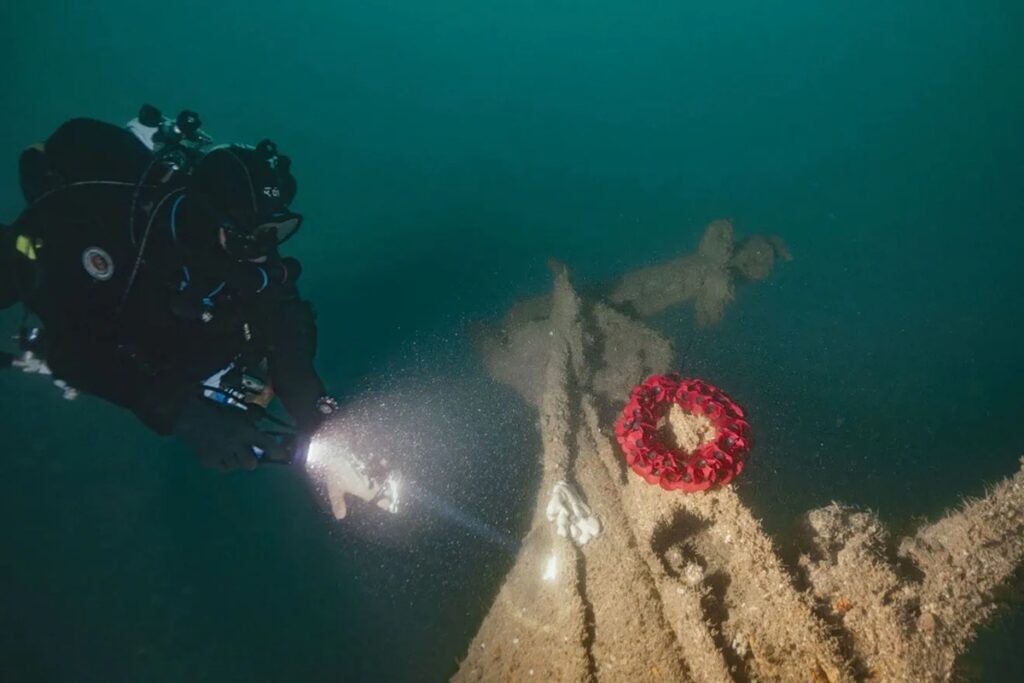

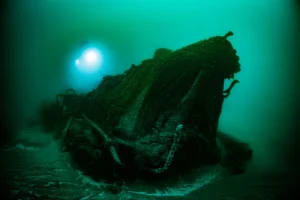
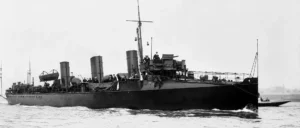
Divers have discovered the wreck of HMS Tiger, a Royal Navy torpedo boat destroyer that sank off the Isle of Wight in 1908 after a collision during a night training exercise.
The discovery was announced by the Royal Navy on August 10, 2026, following years of research by ProjectXplore, a team of divers and shipwreck historians. The group spent five years examining archival records and historical information in an effort to identify the location of the long missing vessel.
Lost During a Royal Navy Exercise
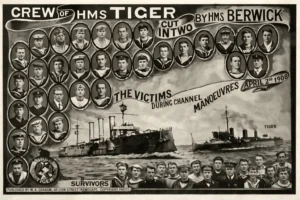
HMS Tiger was taking part in night manoeuvres with the Royal Navy fleet in 1908 when the destroyer strayed into the path of the cruiser HMS Berwick.
According to the Royal Navy, neither vessel had enough time to take evasive action. Berwick struck Tiger in the middle of the ship, cutting the destroyer in two.
The bow sank almost immediately, taking the captain and several members of the crew with it. The stern remained above water for only a few minutes before it also sank.
HMS Tiger carried a crew of 57, and fewer than half survived the accident. The disaster attracted considerable attention at the time, with King Edward VII sending a telegram of sympathy following the loss.
Despite searches for the vessel over the following decades, its final resting place remained unidentified for more than a century.

Five Years of Research Lead Divers to the Wreck
ProjectXplore eventually located the remains after combining historical research with underwater exploration.
The team is led by shipwreck researchers and divers Leo Fielding and Dan McMullen, who described researching, finding and documenting HMS Tiger as a significant privilege.
The group has previously been involved in other wreck discoveries, including the identification of the wreck of Royal Navy cruiser HMS Nottingham in the North Sea.
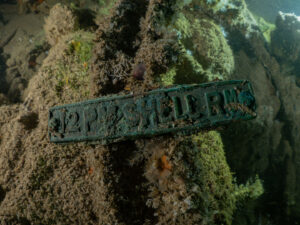
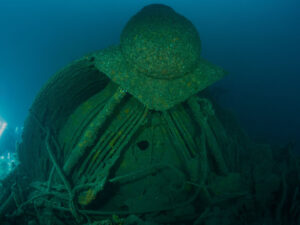
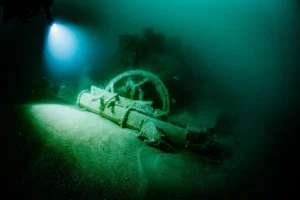
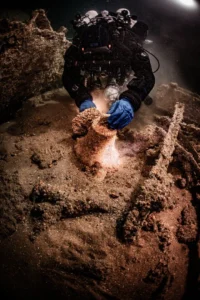
Images released following the discovery show sections of HMS Tiger lying on the seabed, including parts of the wreck associated with the bow and stern and a torpedo tube.
The discovery also provides another opportunity for divers and maritime historians to document an important part of British naval history that had remained underwater and unidentified for 118 years.
Discovery Comes as UK Considers Stronger Wreck Protection
The announcement comes as the British government considers changes to the legal protection of military shipwrecks through the Armed Forces Bill.
According to the Royal Navy, the proposed provisions would allow military wrecks to receive a protected place designation from the time they are discovered. Removing or disturbing objects from such sites without permission would be prohibited, while divers would still be able to visit them provided the wrecks are treated respectfully.
The proposed changes would expand protections currently available under the Protection of Military Remains Act and could apply to a much wider range of historic military wrecks.
Royal Navy Deputy Fleet Wreck Officer Lieutenant Commander Jen Smith said protecting military wrecks helps preserve maritime heritage while allowing the diving community to continue visiting and documenting historic sites.
Her message to divers was straightforward: visit, learn and pay respects, but avoid disturbing the wreck.
For HMS Tiger, the discovery brings an end to a search that began with the vessel’s loss in 1908. It also places the wreck back within the historical record while preserving the memory of the sailors who lost their lives with the ship.
Source: Royal Navy

A young voice whose articles shine with energy and a fresh perspective. Through a promising pen, he takes us on journeys driven by a passion for discovery and a spirit of curiosity, adding a distinctive character to Diventures that reflects a new generation of writers connected to the sea and its worlds.