

Lead weights are a basic tool in scuba diving. They help divers control buoyancy and trim, and they make many dives possible. But lead also brings real safety and environmental concerns. These concerns are not only for dive professionals. They also matter for anyone who sets up gear at home, on a boat, or at a training site.
This article explains why using lead is still common, the Dangers of Lead, and how to reduce risk with clear Precautions for Divers. It is written for beginner and experienced divers, with extra focus on frequent handling, rental settings, and busy boats.
In 2026, divers are also looking at equipment choices through a wider lens. Safety, health, and sustainability are linked. Lead management is now part of responsible diving practice, alongside buoyancy control, safe ascents, and good team habits.
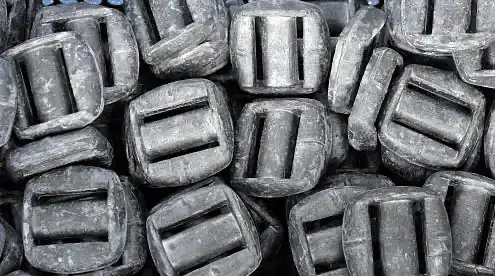
Why using lead is still common
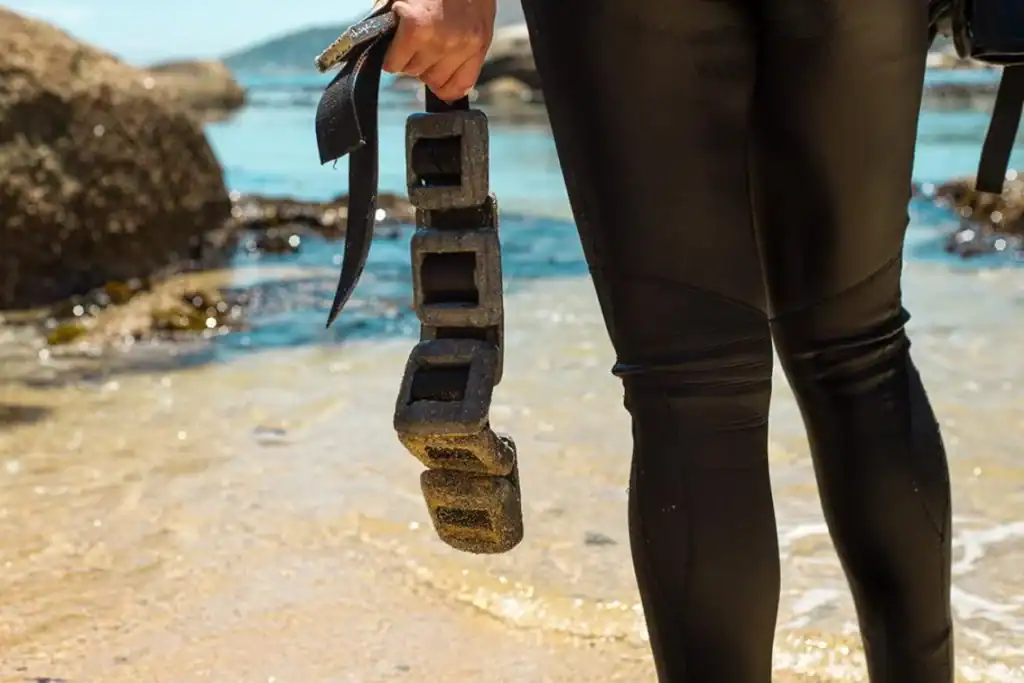
Lead has been used for decades because it is dense, affordable, and easy to shape. These three points matter in real diving. Dense weights stay compact. Affordable weights are easier for dive teams and training centers to provide. Malleability helps lead fit into belts and integrated systems.
These benefits explain why using lead continues. But they do not remove the need for careful handling. Lead is toxic. Divers can reduce risk without changing how they dive. They do it by changing how they handle, store, and clean weights on land.
The Dangers of Lead for divers
Most lead risk does not come from the short time a weight is underwater. The main risk comes from exposure on land. Lead can enter the body mainly through ingestion or inhalation. This can happen when hands, clothing, or surfaces are contaminated with lead dust.
Direct Contact Risks: when handling becomes exposure
Direct Contact Risks rise when weights are uncoated, worn, or damaged. Handling uncoated weights or touching lead dust can contaminate your hands. The risk increases if you eat, drink, or touch your mouth before washing your hands.
Lead can also oxidize when exposed to air. This can create a light film on older, uncoated weights or lead shot. This oxidized material has a greater potential to spread and contaminate surfaces.
For many divers, the key point is simple. You may not feel anything at the moment. But lead on hands can move to snacks, a bottle cap, a phone, or a regulator mouthpiece.
Inhalation risk: dust and fumes
Inhalation is a concern when lead becomes airborne. Activities that can put lead particles into the air include melting, cutting, dusting, sweeping, vacuuming, or sanding lead-containing materials. Melting and forming lead for weights creates a high potential for overexposure.
This matters for divers who make their own weights, or who “clean up” a weight area with dry sweeping. It also matters for operations that handle large amounts of lead.
Health risks: what lead can affect
Lead is a toxic metal. Over-exposure to lead dust or fumes can cause harmful health effects. Reported effects include muscle weakness, difficulty with memory and concentration, kidney damage, interference with normal brain function, stomach problems, increased risk of high blood pressure, and reproductive problems.
Some effects may improve as the body removes lead over time, but some effects can be permanent. This is why prevention is the best approach.
Take-home exposure: an often-missed risk
Take-home exposure is a major concern. Lead dust on skin, clothes, and in vehicles can be taken home and expose family members. Young children are especially susceptible and can be affected at lower exposure levels than adults. Lead can also pass through the placenta, which creates risk for a developing fetus.
Even if you only dive on weekends, you can still bring contamination into your car or home if weights ride loose with towels, wetsuits, or street clothing.
Environmental Impact: more than “just a lost weight”
Environmental Impact matters because lead is a persistent pollutant. If lead weights are lost or discarded in the ocean, they do not degrade and can cause long-term contamination. Marine life can be vulnerable if lead enters ecosystems and moves through the food chain.
There is also a direct safety link for divers. Losing weight can change buoyancy quickly. On a deep or current dive, that can create a serious problem for the diver and the team. Preventing loss supports both diver safety and the environment.
Precautions for Divers: a practical plan that works
Lead safety is mostly about routine. The best approach is consistent habits, not complex rules. Below are Precautions for Divers that match how most people already dive.
Use coated weights and inspect them often
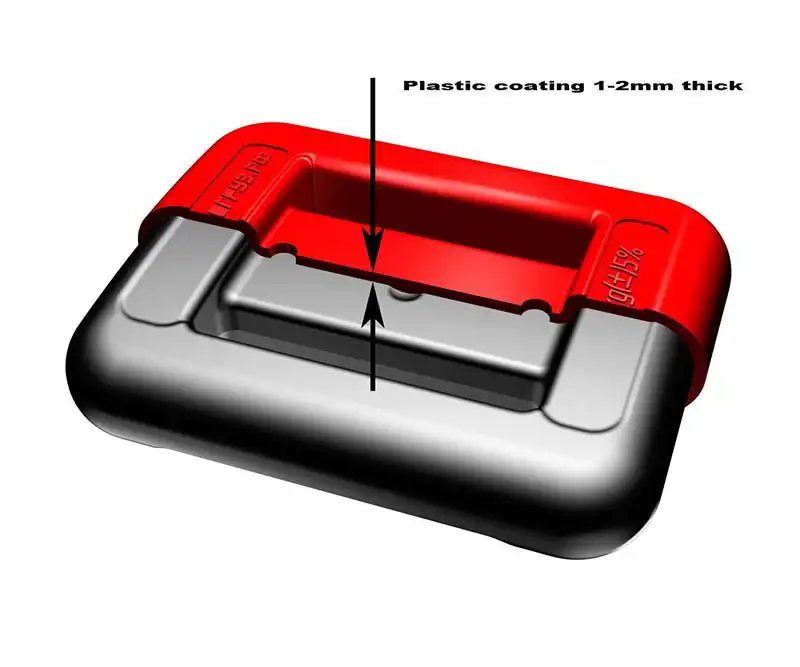
Modern weights are often coated to prevent direct exposure. Inspect coatings for cracks, cuts, and worn areas. If the coating is damaged, treat the weight as higher risk and replace or repair it when possible.
If you use lead shot systems, remember that rubbing shot pieces can increase lead release, especially when the bag or liner is worn.
Wear gloves when handling lead
Wearing gloves reduces direct skin contact when you set up gear or adjust weights. This is especially important with older or uncoated weights.
Gloves are not a full solution on their own. They work best with good hygiene habits.
Wash hands and manage food and drinks
Wash hands and exposed skin after handling lead-containing materials. Make it a fixed step before you eat, drink, or touch your mouth.
On boats and at shore sites, keep snacks and drink bottles away from weight bins. For instructors and dive leaders, this is also a training point. New divers learn habits early. It is easier to build good practice than to correct bad practice later.
Store and transport weights in sealed containers
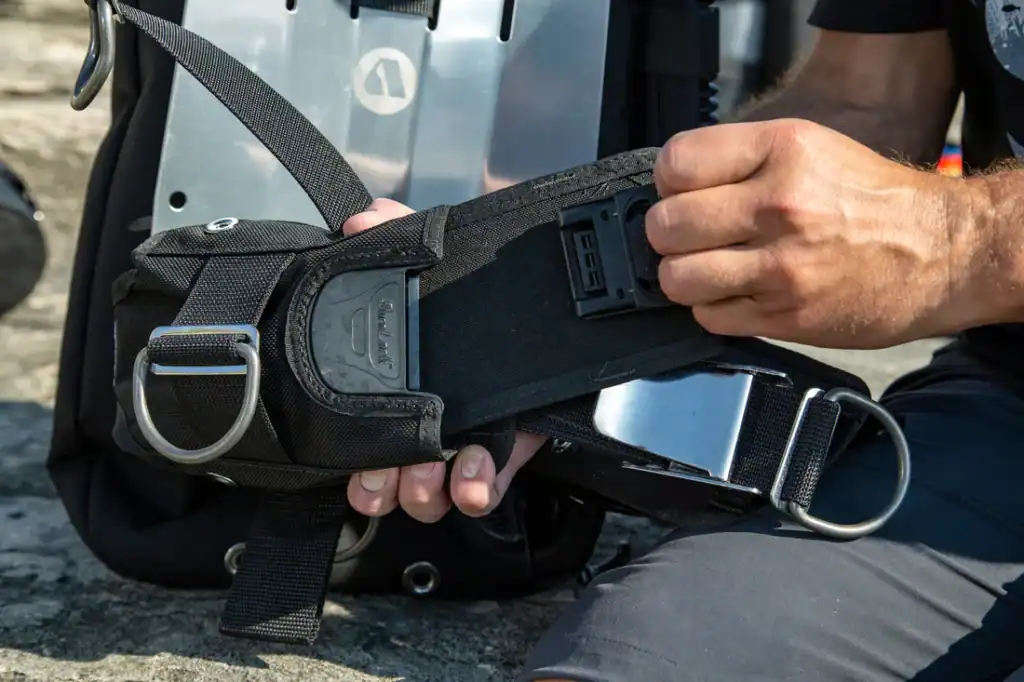
Store weights in designated, sealed containers, separate from other dive gear. Labeling is useful in shared spaces. This reduces dust transfer to wetsuits, towels, and vehicles.
Avoid keeping weights loose in a trunk with other gear. If you must transport them that way, use a closed bin or a sealed bag inside the trunk.
Clean the right way: avoid making dust
Clean lead-contaminated surfaces by wet wiping, or by using a vacuum equipped with a high efficiency particulate air (HEPA) filter. Do not dry sweep lead dust.
Rinse weights separately from other equipment. The UW guidance also advises not to collect rinse water.
Do not melt lead to make weights
Do not melt lead to form your own weights. This activity has a high potential for overexposure and contamination of work areas.
If a workplace handles lead as part of operations, it should use a written protocol and required protective equipment.
Prevent loss and reduce Environmental Impact
Check pockets, releases, and buckles before entry. Confirm integrated pockets are seated correctly. If a weight is lost, make a recovery effort only when it is safe and permitted.
Small steps also help: avoid overloading pockets, secure belts properly, and keep a stable entry and exit routine. These steps reduce Environmental Impact and reduce sudden buoyancy problems.
Dispose of lead responsibly
Dispose of unused lead or lead-containing equipment according to local hazardous waste regulations. Do not place lead in normal trash.
Responsibility without drama
In 2026, divers are balancing more factors. Health awareness is higher. Environmental responsibility is a stronger part of dive culture. The best progress often comes from better systems, not from blaming individuals.
For individual divers, this means small, repeatable habits: coated weights, gloves, hand washing, and sealed storage. For experienced divers, instructors, and operations, it also means setting standards: clear storage areas, safe cleaning methods, and fast removal of damaged weights from use. These steps reduce exposure for everyone, including staff who handle weights every day.
Conclusion
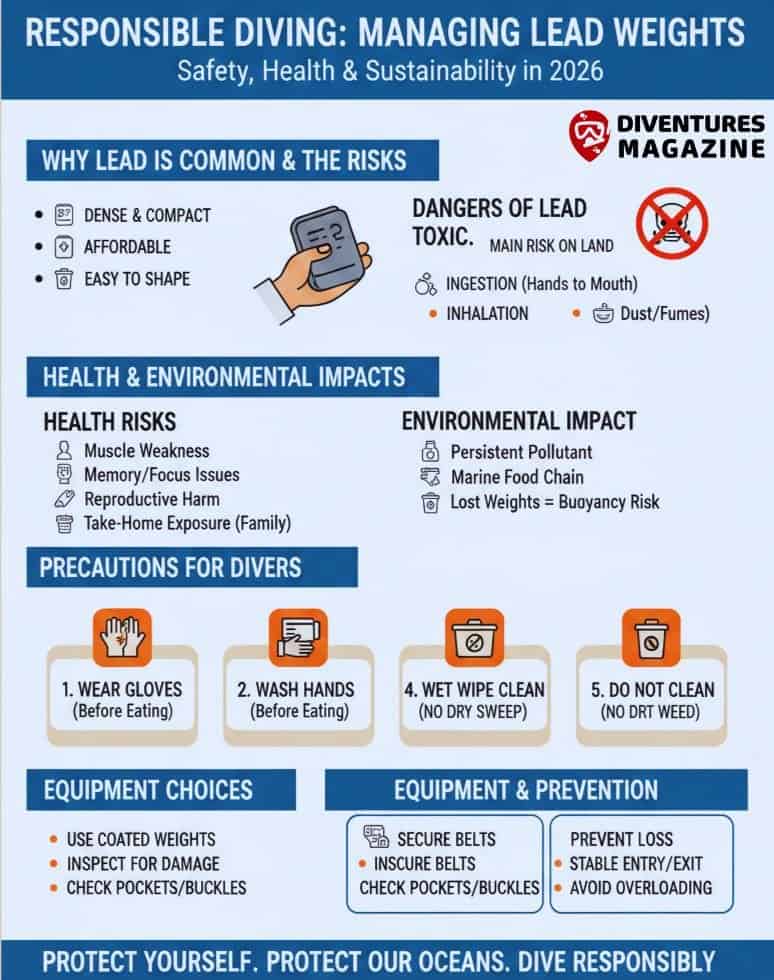
Lead is still common in scuba because it is dense, affordable, and easy to shape. But the Dangers of Lead are real, especially when weights are old, uncoated, or poorly managed. The risk is mainly on land, where Direct Contact Risks and lead dust can lead to ingestion or inhalation.
In 2026, good diving practice includes good lead practice. Use coated weights, wear gloves, wash hands, store weights in sealed containers, clean with wet methods, avoid melting lead, and dispose of lead through proper hazardous waste systems. These Precautions for Divers protect your health, protect the people around you, and reduce Environmental Impact at the sites we rely on.
Diventures Team is a multidisciplinary team of scuba professionals, editors, and digital creators, producing accurate and experience-driven coverage of diving, marine life, and ocean culture.