

For nearly two decades, Vincent Meurice says he has lived without the panic attacks that once disrupted his daily life. Surprisingly, he does not credit medication or a breakthrough therapy session for the change. Instead, he points to something far less conventional: scuba diving. According to a recent USA TODAY feature syndicated by Yahoo Lifestyle, Meurice discovered that the underwater world gave him a sense of calm, focus, and control that he struggled to find on land.
His story is resonating with divers around the world because it highlights something many in the diving community have long understood intuitively — scuba diving can have a profound psychological effect.
While diving is often celebrated for its adventure, marine encounters, and travel opportunities, researchers and divers alike are increasingly exploring its connection to stress reduction, emotional regulation, and mental wellness.
The Unique Calm of the Underwater World
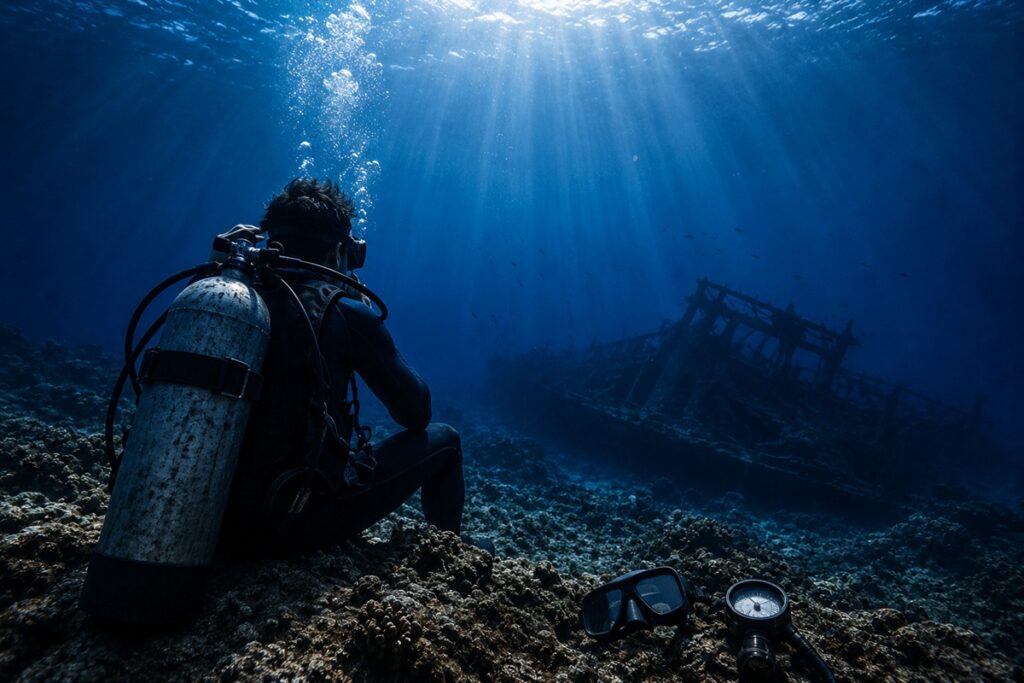
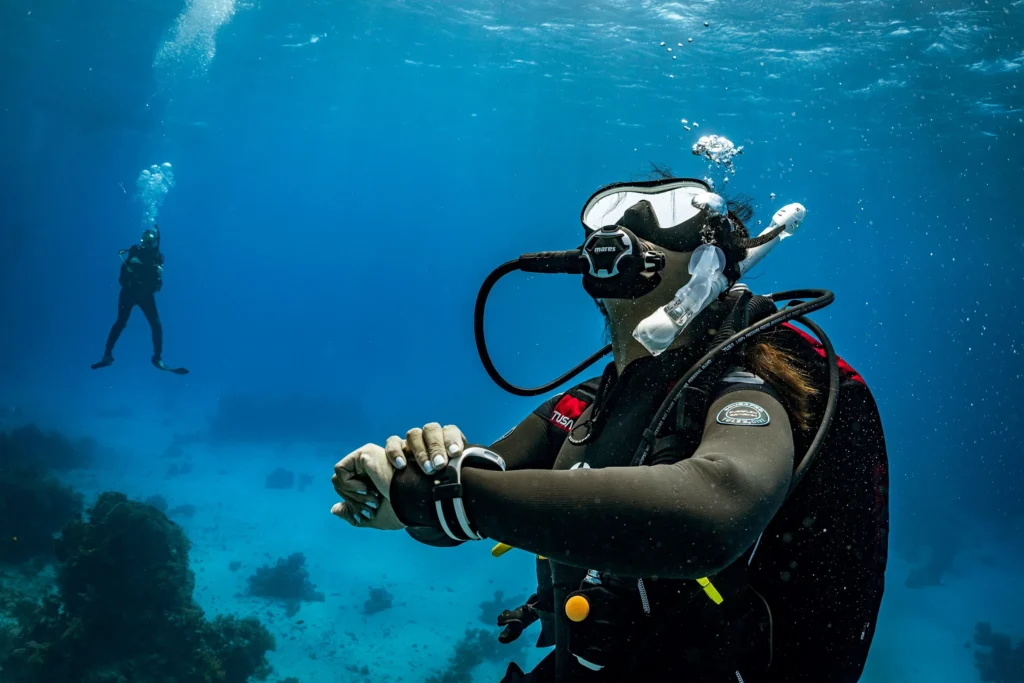
Descending beneath the surface changes the body and mind almost immediately. Breathing slows. External noise disappears. Movements become deliberate and controlled. Divers are encouraged to focus entirely on the present moment — monitoring buoyancy, breathing rhythm, and surroundings.
That intense mindfulness can create a temporary break from racing thoughts and overstimulation.
For Meurice, the underwater environment reportedly became a place where panic no longer controlled his body. The controlled breathing required during dives may have played an important role. Many anxiety-management techniques, including meditation and breathwork, rely on slow, steady breathing patterns similar to those used in scuba diving.
Unlike many high-adrenaline sports, recreational diving often rewards calmness over intensity. A relaxed diver consumes less air, conserves energy, and moves more efficiently underwater. In many ways, scuba diving naturally encourages behaviors associated with emotional regulation.
Why Diving Can Feel Therapeutic
Mental health professionals have increasingly studied how outdoor and water-based activities affect emotional well-being. Although scuba diving is not considered a replacement for professional mental health treatment, many divers describe the activity as deeply restorative.
Several elements contribute to that experience:
Controlled Breathing
Breathing underwater requires discipline. Divers inhale slowly and deeply to maintain calm and conserve air supply. This type of breathing can activate the body’s parasympathetic nervous system, which helps reduce stress responses.
Reduced Sensory Overload
Modern life is loud and fast. Underwater, distractions disappear. Phones, traffic, and constant notifications are replaced by silence and floating movement.
Present-Moment Awareness
Divers must remain attentive to depth, air consumption, buddy communication, and marine surroundings. That focus naturally pulls attention away from intrusive thoughts.
Connection With Nature
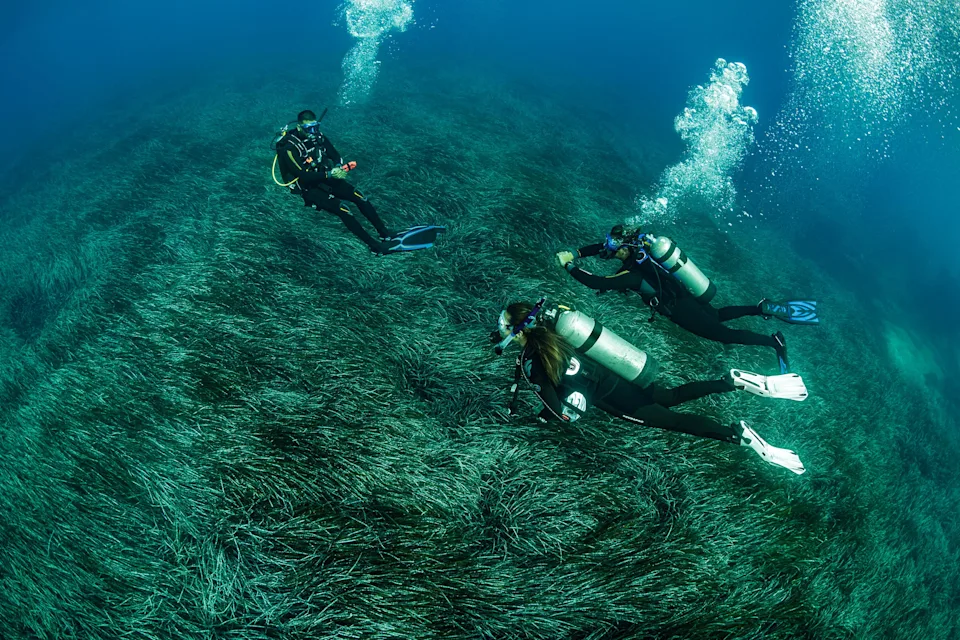
Marine environments often create feelings of awe and perspective. Encounters with coral reefs, sea turtles, rays, or schooling fish can generate emotional responses similar to those associated with mindfulness and meditation.
For many divers, the ocean becomes a rare place where mental clutter quiets down.
Diving Communities Often Become Support Networks
Another overlooked aspect of scuba diving is the community itself.
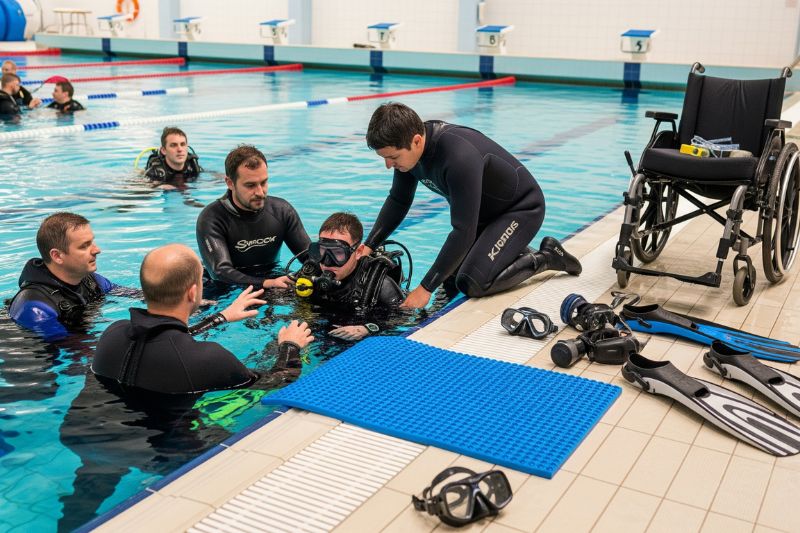
Dive training emphasizes teamwork, communication, and trust. New divers learn alongside instructors and buddies who support each other throughout the certification process. That social connection can be valuable for people dealing with stress, isolation, or anxiety.
In recent years, some organizations have even explored diving programs designed for military veterans, trauma survivors, and individuals experiencing emotional stress. While scientific research continues to develop, anecdotal stories from divers remain remarkably consistent: many describe feeling calmer, more confident, and emotionally reset after dives.
The structure of dive training may also help. Clear procedures, safety routines, and predictable protocols can create a sense of stability and control that some people find reassuring.
The Red Sea’s Growing Reputation for Wellness Diving
As wellness tourism continues to grow globally, the Red Sea has become one of the most attractive destinations for divers seeking both adventure and mental escape.
Destinations in Egypt such as Hurghada, Marsa Alam, and Sharm El-Sheikh offer warm water, exceptional visibility, and vibrant coral reefs that naturally encourage slow, immersive diving experiences. Drift dives along dramatic walls and relaxed reef explorations provide a very different atmosphere from fast-paced daily life.
Many divers describe Red Sea diving as deeply meditative, particularly during early morning dives when visibility is high and marine activity increases.
The region’s year-round accessibility also makes it appealing for travelers looking to combine relaxation with underwater exploration.
Diving Is Not a Medical Cure — But It Can Be Meaningful
It is important to recognize that scuba diving is not a substitute for professional mental health care. Panic disorders and anxiety conditions can be serious and may require clinical treatment.
However, stories like Meurice’s demonstrate how meaningful activities can become part of a healthier lifestyle. For some people, diving creates structure, confidence, social connection, and moments of calm that positively influence their overall well-being.
That emotional impact may partly explain why many divers become lifelong participants in the sport. Beyond marine life and travel, diving often offers something more personal — a feeling of escape, stillness, and balance.
A Different Kind of Adventure
The scuba industry has traditionally marketed adventure, exploration, and marine encounters. But conversations around mental wellness are increasingly becoming part of the sport’s identity.
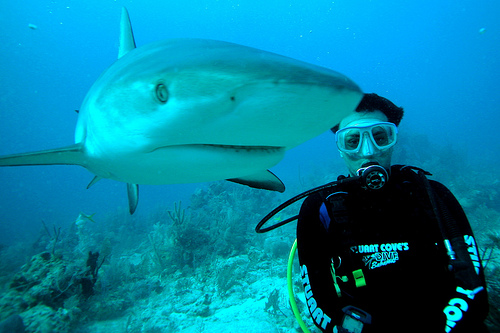
Divers are sharing stories not only about shipwrecks and sharks, but also about stress relief, emotional recovery, and personal transformation.
For Vincent Meurice, the ocean appears to have become far more than a hobby. According to the USA TODAY report, scuba diving helped him leave panic attacks behind and rediscover calm in an unlikely place — deep underwater.
As awareness around mental health continues to evolve globally, stories like his may encourage more people to see scuba diving not only as recreation, but also as a pathway toward mindfulness, confidence, and emotional resilience.

Mohsen Nabil is the Founder and Editor-in-Chief of Diventures Magazine. A mechanical engineer and scuba diving instructor based in the Red Sea, he writes about diving safety, marine conservation, underwater exploration, and developments in the global dive industry. Through Diventures Magazine, he works to connect divers, scientists, and ocean advocates while promoting responsible diving and protection of the oceans.