

Marine park charges could triple — and the whole dive industry may pay the price
Egypt’s Red Sea is one of the most loved dive destinations in the world. Thousands of divers visit every year to explore the Brothers Islands, Daedalus Reef, Elphinstone, and the famous wrecks of the northern Red Sea. But right now, the people who run this industry are worried. A major increase in marine park fees is being planned — and if it goes ahead, it could seriously damage one of Egypt’s most important tourism sectors.
What Is Happening?
Egypt’s environmental authority, the EEAA (Egyptian Environmental Affairs Agency), is planning to raise the marine park entry fee for liveaboard divers from $40 per person per week to $20 per person per day. For a typical six-day safari, that means the fee jumps from $40 to $120 — a threefold increase.
The original start date was June 1, 2026. That deadline has already passed without the increase taking effect. But industry sources say the authorities are now pushing to introduce it within days.
What We Found on the Ground
Diventures Magazine contacted both liveaboard safari owners operating out of Hurghada and officials responsible for Red Sea protected areas to verify the figures being reported and to understand the full picture.
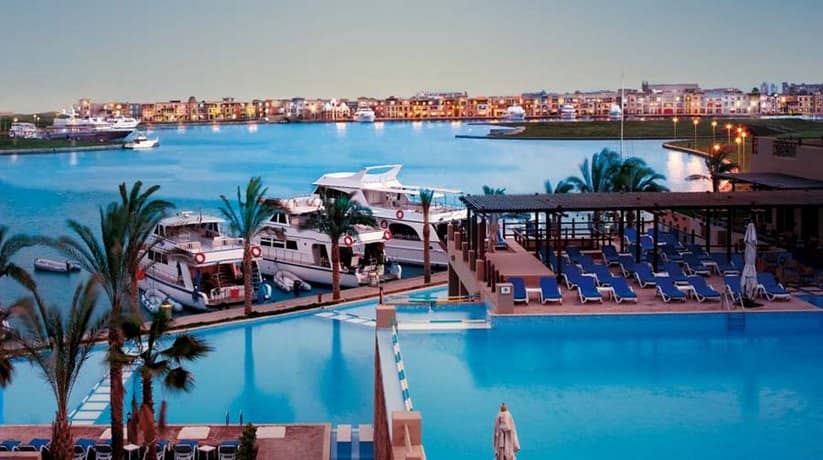
Safari operators confirmed that the proposed fee increase is real and that the industry is bracing for its impact. They also confirmed the scale of costs already placed on their operations. Port Ghalib Marina — one of the main departure points for southern Red Sea liveaboard routes — currently charges around €850 per two nights for a safari vessel. For a typical seven-night safari that includes a stop at Port Ghalib, this alone represents a significant operational cost that is built into the price every guest pays.
Officials responsible for the Red Sea’s protected marine areas confirmed that the new fee structure is under active review. No final implementation date has been announced publicly at the time of publication.
Diventures Magazine also reached out to the CDWS — the Chamber of Diving and Watersports — for an official comment. At the time of publication, the CDWS had not responded to our request.
Already an Expensive Business
Marine park fees are not the only extra cost that liveaboard operators and their guests face. Operators already pay a long list of charges that are passed directly on to divers — fuel surcharges, port fees, and marine park permits charged per vessel, on top of the per-person environmental fees.
These charges do not always appear clearly in the headline price of a safari. Divers often discover them only when they arrive on board. The proposed increase to marine park fees would make this already-heavy burden even harder to carry — for operators and guests alike.
The CDWS’s Known Position
Although the CDWS did not respond to our request for comment, the chamber has a well-documented history of opposing government fee decisions that it believes will harm Egypt’s dive sector. In previous disputes, the CDWS has taken fee resolutions to court and publicly argued that rising costs push tourists toward competing destinations such as the Maldives, Indonesia, and the Philippines. Industry sources familiar with the current situation say the chamber is expected to oppose this increase as well.
Why This Matters for Egypt
Scuba diving is not a small part of Egypt’s economy. The Red Sea coast — from Hurghada and Port Ghalib in the south to Sharm El Sheikh in the north — depends heavily on dive tourism. Liveaboard operators employ local crew, support port services, and bring foreign currency into the country. When this industry suffers, the effects are felt far beyond the dive boats themselves.
Framing a major fee increase as an environmental measure does not make it easier to accept. Real marine conservation requires investment, management, and enforcement — not simply higher entry fees. If the goal is truly to protect Egypt’s reefs, the dive industry — which has a direct interest in keeping those reefs healthy — should be part of the conversation, not just handed a larger bill.
What Happens Next
As of publication, the increase has not yet been implemented. Diventures Magazine will continue to follow this story closely, and we will update this article if the CDWS or the EEAA provide further comment.
For the Red Sea to remain one of the world’s great dive destinations, Egypt needs a healthy, sustainable, and competitively priced liveaboard industry. That means working with operators — not against them.
Important Notice
The decision to increase visitor fees to Red Sea nature reserves has been postponed.
To Diving Centers, Marine Activity Centers, and Safari Boats
With reference to the decision of Her Excellency the Minister of Local Development and Environment No. 360 of 2025 regarding the increase of fees for the Red Sea Islands and Northern Islands nature reserves, which was postponed for six months until June 15, 2026, we would like to inform you that the decision has been postponed for another six months.

Mohsen Nabil is the Founder and Editor-in-Chief of Diventures Magazine. A mechanical engineer and scuba diving instructor based in the Red Sea, he writes about diving safety, marine conservation, underwater exploration, and developments in the global dive industry. Through Diventures Magazine, he works to connect divers, scientists, and ocean advocates while promoting responsible diving and protection of the oceans.