
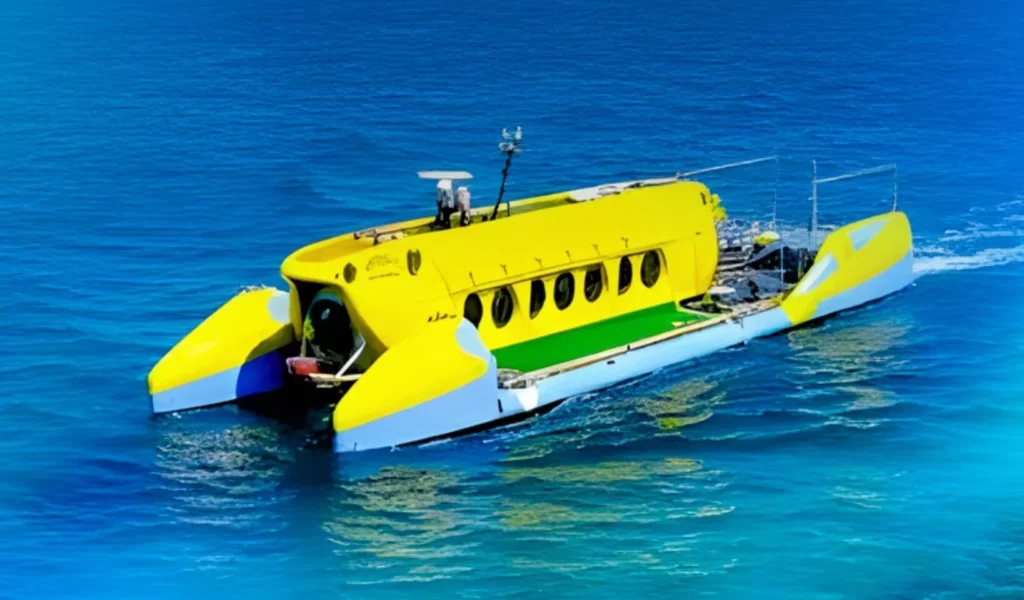

Two separate incidents involving the same tourist submarine have raised fresh safety questions around shared dive-sites in the Cayman Islands.
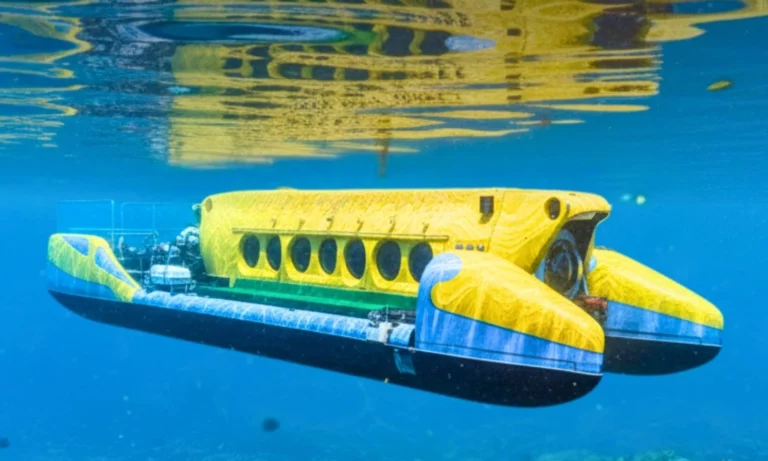
The vessel, a yellow tourist submarine named Subcat Catalonia operated by Down Under Submarines, was reported to have collided with a dive liveaboard on 7 January at the Doc Poulson artificial reef site in West Bay, Grand Cayman.
Collision reported at Doc Poulson site
According to reports cited by local media, the submarine made an uncontrolled ascent beneath a 34m dive liveaboard that was tied into a mooring buoy at the site. The submarine was said to have contacted the liveaboard’s hull. No injuries were reported.
Down Under Submarines’ operations manager Andrey Alexeenko, who was piloting the submarine at the time, attributed the incident to miscommunication with the submarine’s surface support vessel. He said the support crew should have informed him about the liveaboard’s position before he began ascending over a coral ridge.
Alexeenko also said the submarine typically needs a minimum passenger load for stability, and that the dive in question carried five passengers, with sandbags used as additional weight. He stated that once the ascent began, momentum made it impossible to slow the climb before contact occurred.
Afterward, Alexeenko said a diver was sent to check both vessels. He reported only superficial scratches to the submarine’s fiberglass exterior and said the liveaboard showed no visible damage to key components such as the rudder, propellers, or steel hull. The Maritime Authority of the Cayman Islands said only that the matter was under investigation.
Earlier dispute: communications cable reportedly cut
The collision was reported shortly after a separate incident involving the same submarine’s VHF communications cable, which is linked to a float trailed behind the sub to maintain contact with the surface support vessel.
Alexeenko filed a criminal complaint against local operator Shaggy’s Personalised Diving, alleging that the company’s owner, James “Shaggy” Thomson, intentionally cut the communications cable during an earlier dive near the Doc Poulson wreck. Alexeenko said the cut forced him to abort the dive and claimed it cost more than $3,000 to bring a technician from Spain to repair the cable.
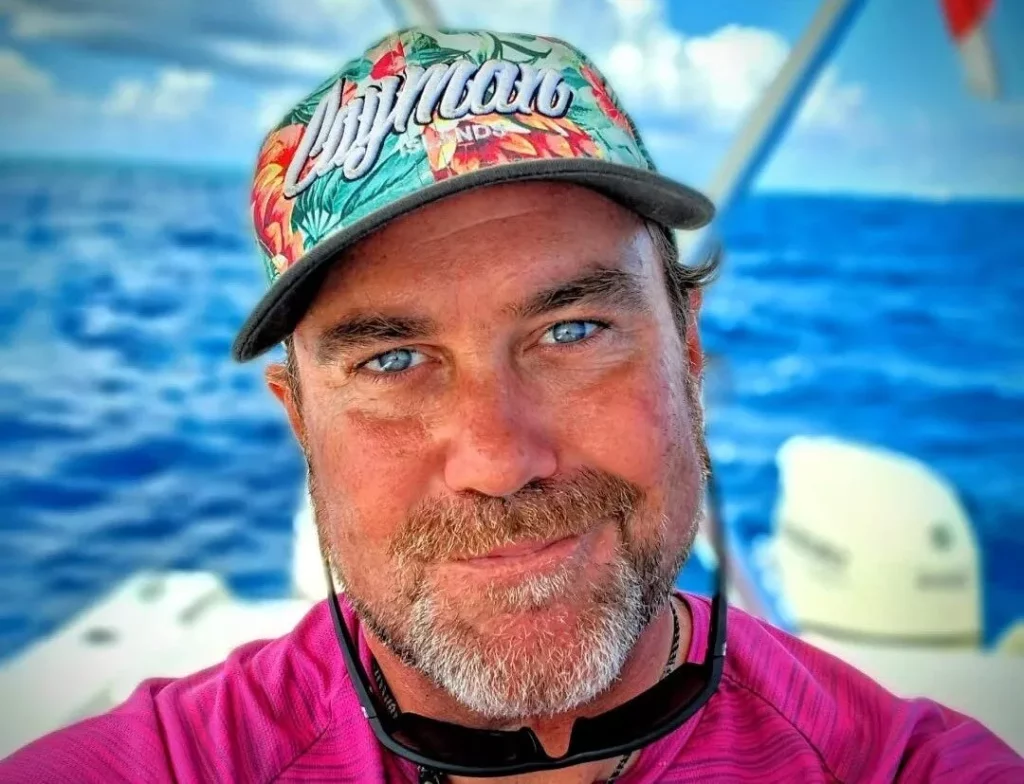
Thomson told local media he cut the cable because he believed it posed an immediate hazard to his boat and customers, and he said the cable risked becoming entangled near his vessel’s engine. He also pointed to local practice that operators should avoid sites where another vessel is already moored, or at least coordinate by radio.
Alexeenko disputed that cutting was necessary, suggesting the situation could have been managed without damaging the line. He also said he planned to buy a dinghy to help keep the cable and buoy away from other boats.
What this means for dive-site traffic and safety
While investigations continue, the reports underline a familiar operational challenge: popular dive-sites can become crowded, and different types of vessels may share the same moorings and approach lanes. Clear surface coordination, conservative standoff distances, and agreed local etiquette are all critical when divers are in the water and larger craft are maneuvering nearby.
Alexeenko said he would look for an alternative site on Grand Cayman’s west side that is not regularly used by other operators.
Diventures Team is a multidisciplinary team of scuba professionals, editors, and digital creators, producing accurate and experience-driven coverage of diving, marine life, and ocean culture.