

10 Marine Species You Can Actually See Diving in the Red Sea
The Red Sea has a reputation that sometimes outruns reality. Glossy brochures make it sound as though every dive ends with a shark, a manta and a turtle, and then you’re hovering over a reef wondering where they all went. So here is a more honest list: ten animals you have a genuine chance of meeting, from the everyday residents you’ll see on almost every dive to one long shot worth hoping for. Most are easy to find on a typical day of diving in Hurghada, where reefs, sand flats and wrecks sit close together and give you plenty of habitats in one place.
1. Whale Shark
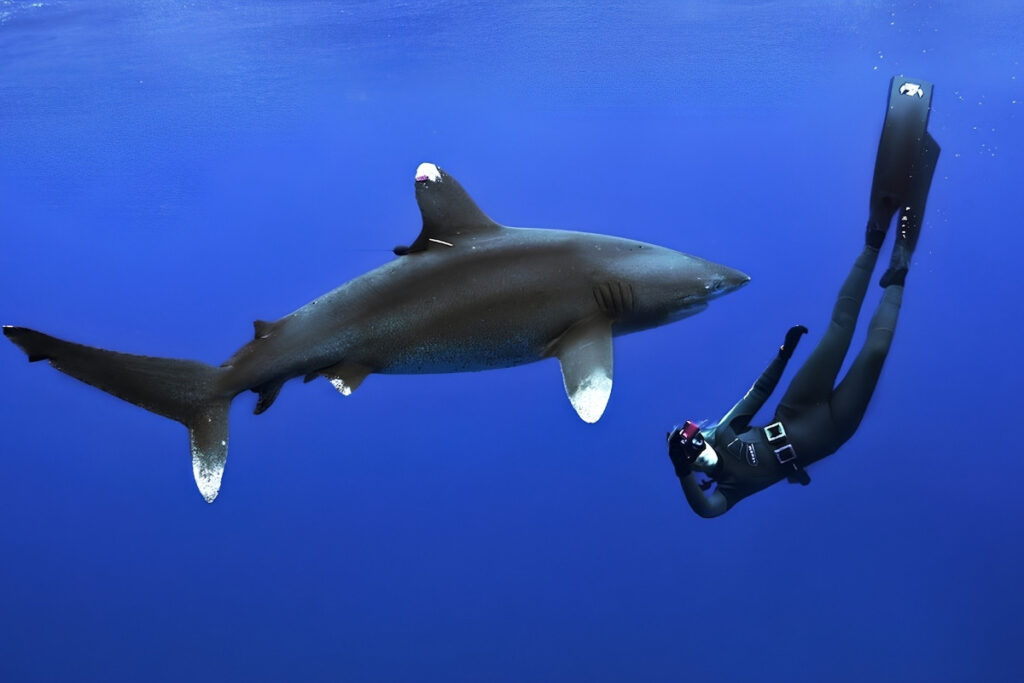
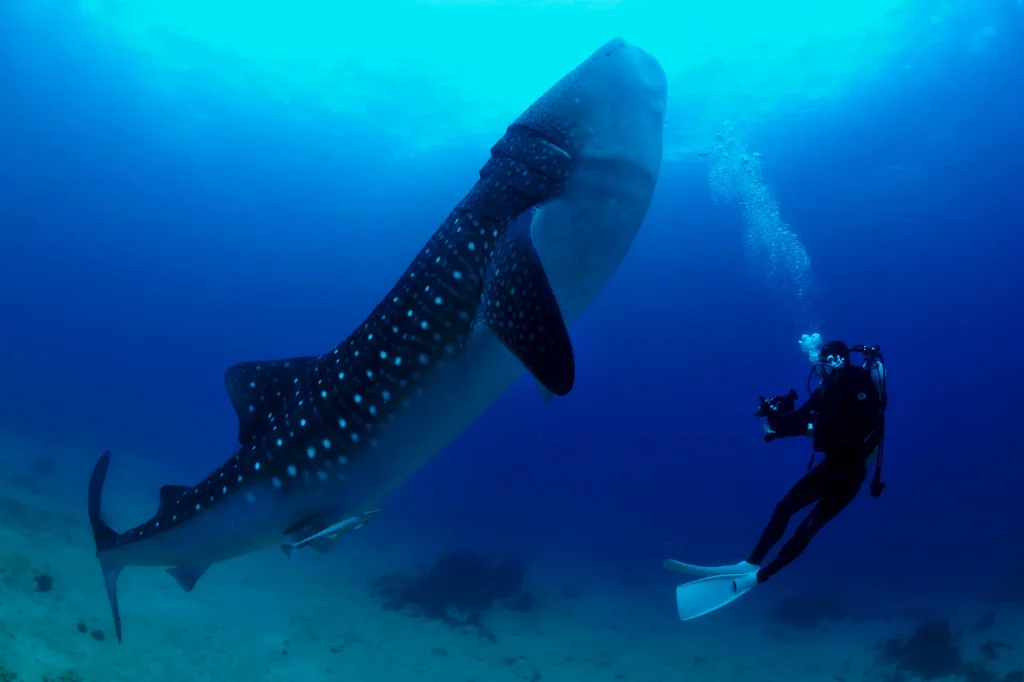
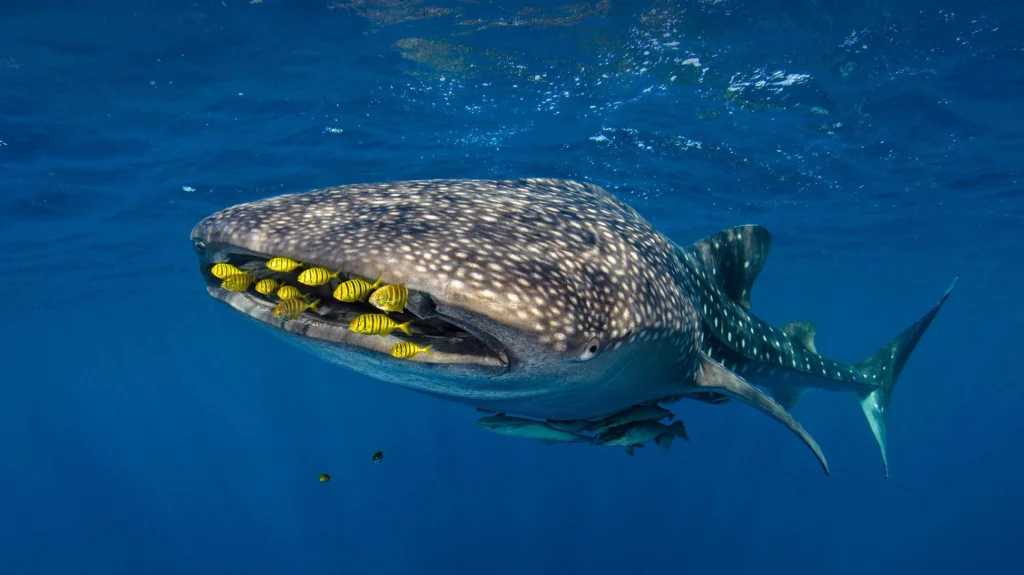
Let’s start with the long shot. Whale sharks are the largest fish in the ocean, typically 8 to 12 metres long, and they cruise slowly with their mouths open, straining plankton and fish eggs from the water. They are roaming travellers, so an encounter can’t be planned. You can dive a perfect week and never see one. That is why reports of whale sharks in Hurghada, like the several spotted off Giftun Island in September 2026, including two swimming together, are so exciting. If you’re lucky enough to meet one, stay at least three to four metres back, never touch or chase it, and switch off your flash. The species is listed as Endangered.
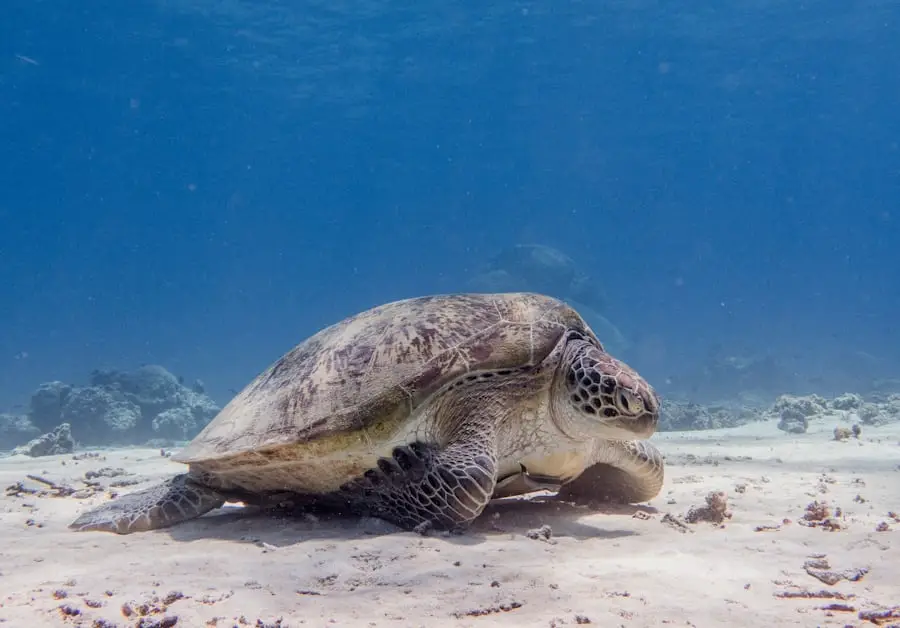
2. Green Sea Turtle
Easy to recognise by its smooth, heart-shaped shell, which can pass a metre in length, the green turtle is a gentle grazer that feeds over seagrass beds. Sha’ab Sabrina and Gota Abu Ramada are dependable places to find one. Hang back, keep your breathing slow and let the turtle decide how close to come.
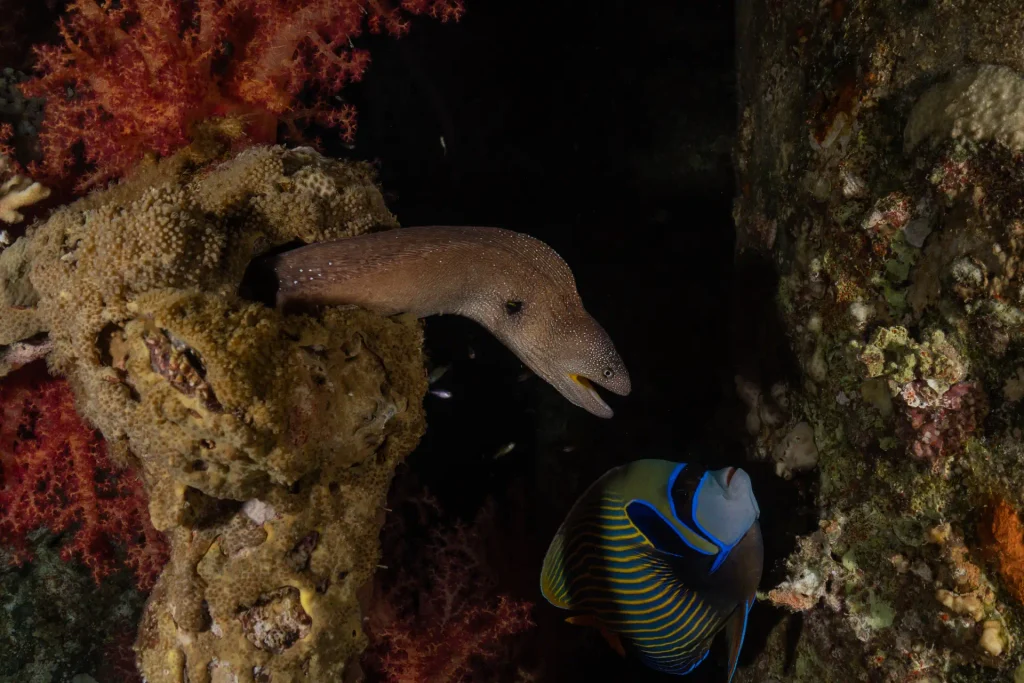
3. Giant Moray Eel
Reaching up to three metres, the giant moray is a powerful predator with mottled brown and yellow colouring that blends into the rock. Check ledges and crevices at sites such as Fanadir South and Abu Galawa. Those constantly gaping jaws look menacing, but the eel is simply pumping water over its gills to breathe.
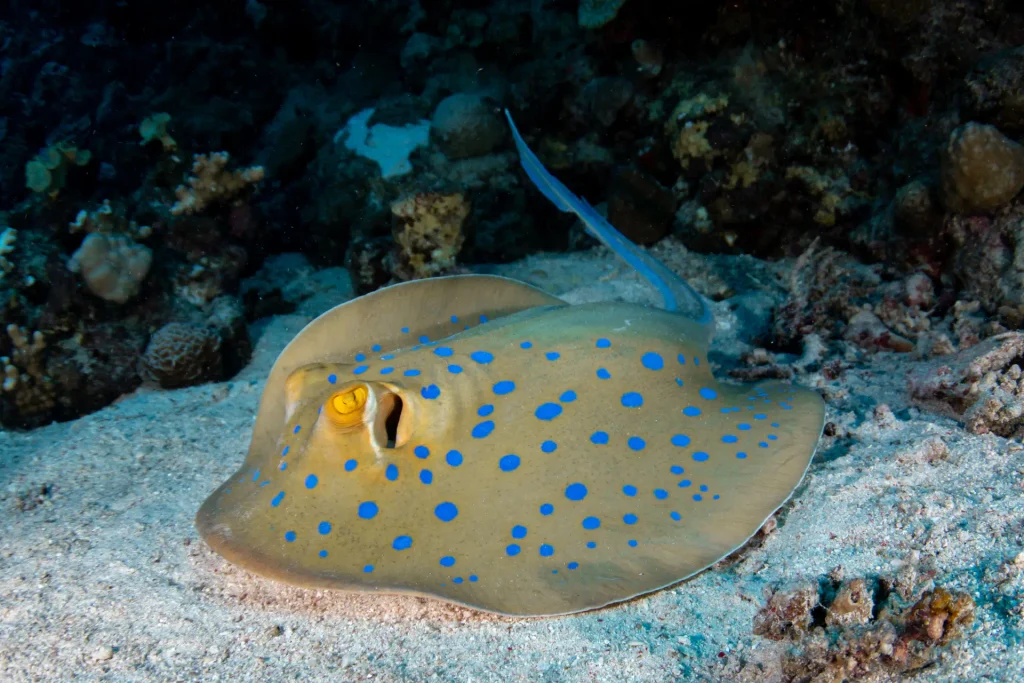
4. Blue-Spotted Ribbontail Ray
Electric blue spots and a ribbon-like tail make this ray one of the reef’s prettiest residents. It rests on sandy patches at the edge of the coral, often half-buried, and feeds on molluscs and crustaceans. There is a venomous spine at the base of the tail, so look but don’t touch.
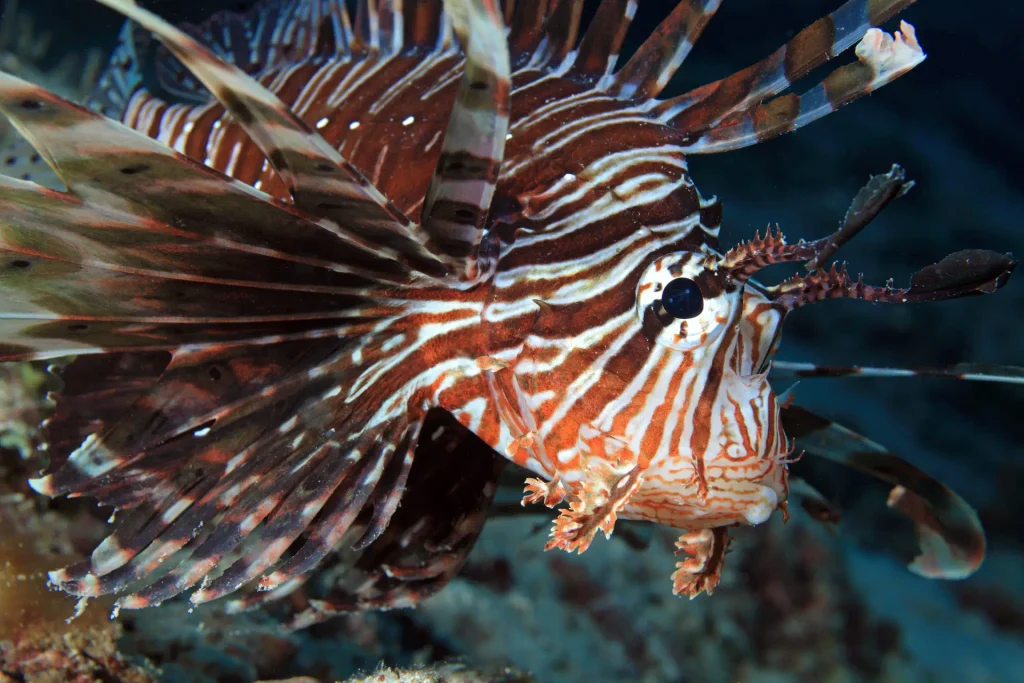
5. Lionfish
With flowing, feathery fins and bold red, white and brown stripes, the lionfish looks like a piece of underwater theatre. By day it often sits in a crevice or under an overhang, then spreads its fins to corner small prey. The spines are venomous and the sting is painful, so it’s a fish to admire from a respectful distance.
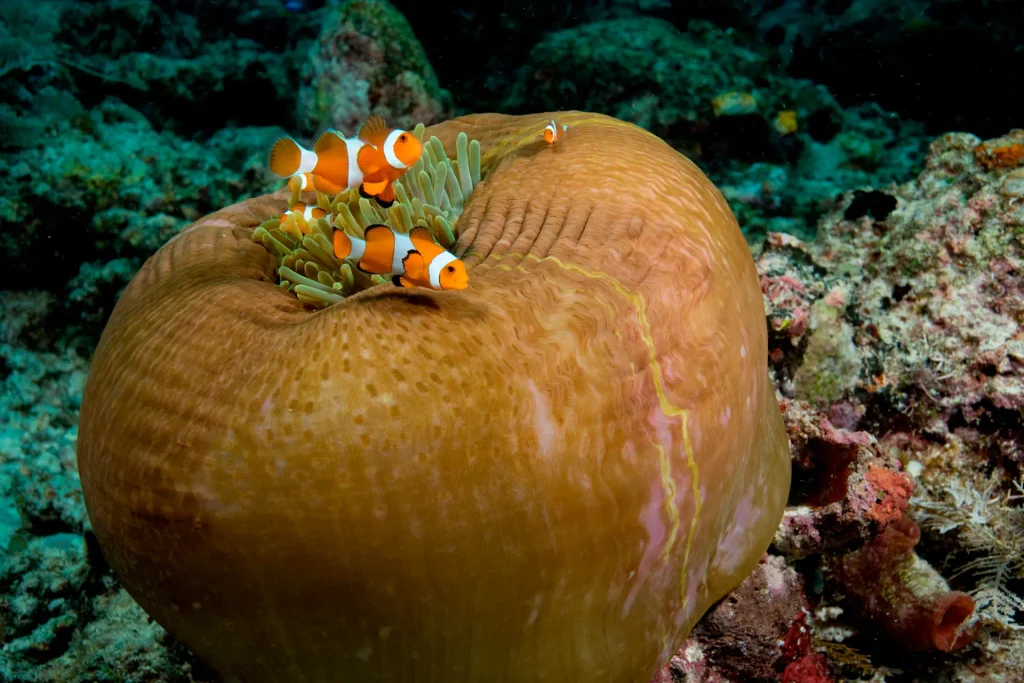
6. Clownfish
Everyone knows the orange and white stripes, but seeing clownfish in real life is better than any film. They live among the tentacles of sea anemones and are fiercely territorial for their size, darting out at anything that gets too close. Fanous West and Coral Garden are good places to look.
7. Octopus
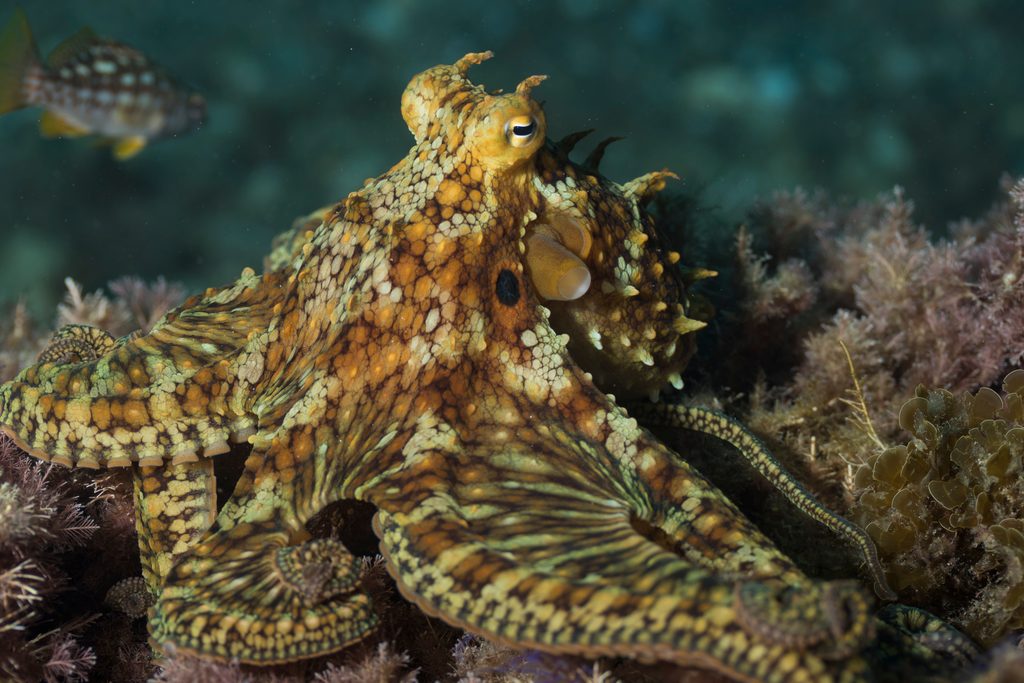
The octopus is the reef’s master of disguise, changing both colour and skin texture in an instant. Most are tucked into crevices around sites like Fanous and Abu Ramada, so a sharp eye pays off. A small pile of shells outside a hole is a classic giveaway.
8. Napoleon Wrasse
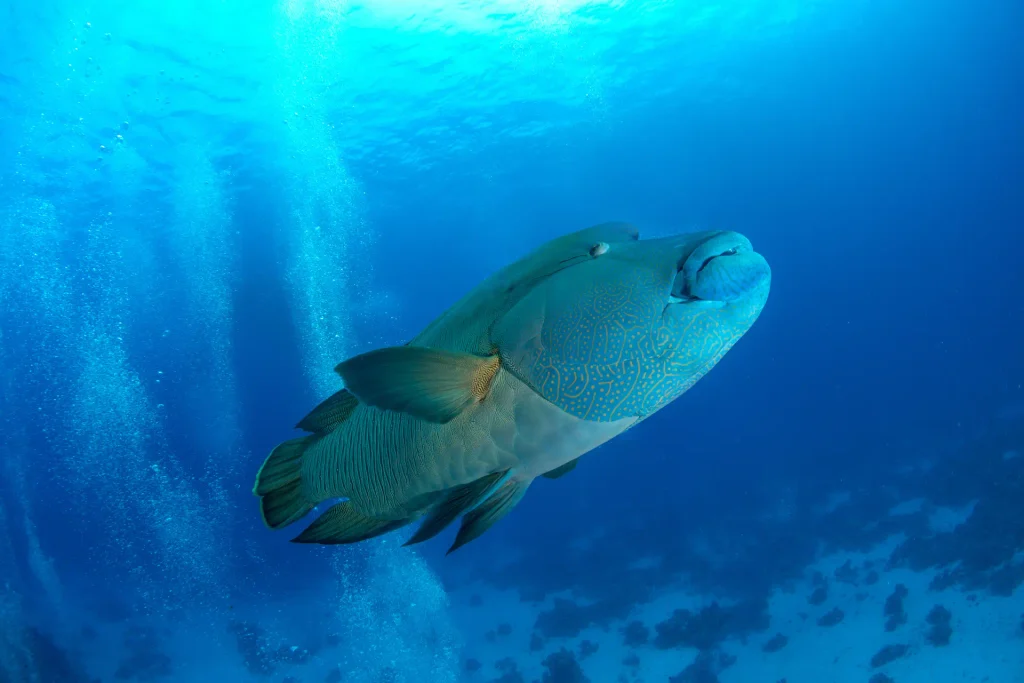
Big, blue-green and unmistakable, with thick lips and a bump on its forehead, the Napoleon wrasse can grow to around two metres. It is often curious about divers and cruises past reefs and wreck masts with a calm, unhurried air. It is also an endangered species, which makes every sighting a privilege.
9. Parrotfish
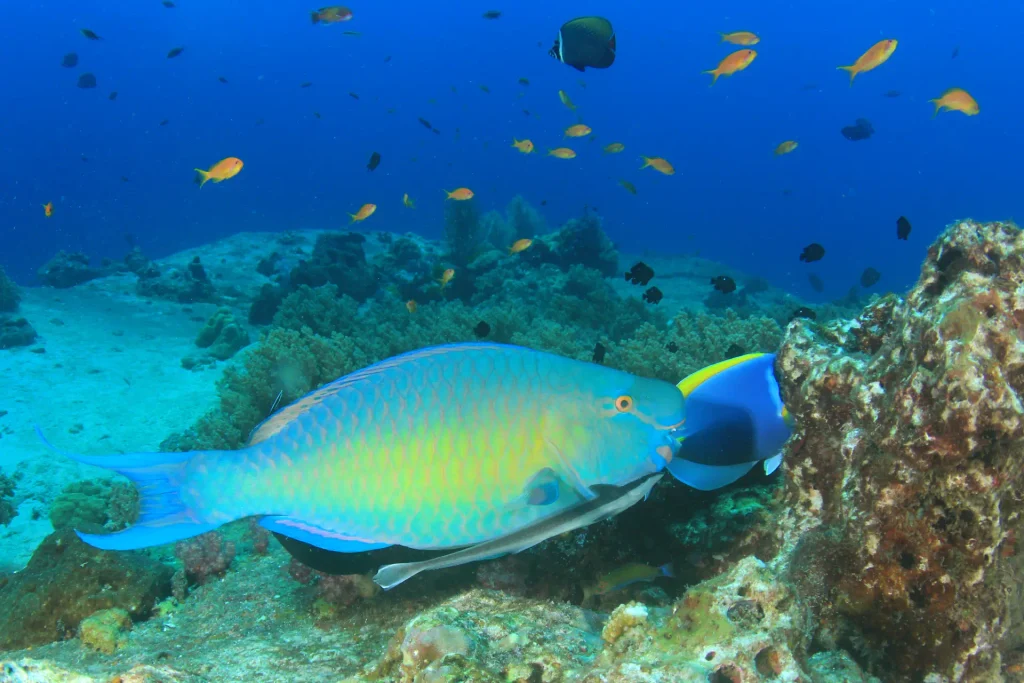
These colourful reef fish, ranging from turquoise to pink to neon green, are abundant at nearly every site. Their beak-like teeth scrape algae from the coral, and if you stay still you can sometimes hear the crunching. What they don’t digest comes out as fine sand, so a lot of the sand on tropical beaches has passed through a parrotfish.
10. Titan Triggerfish
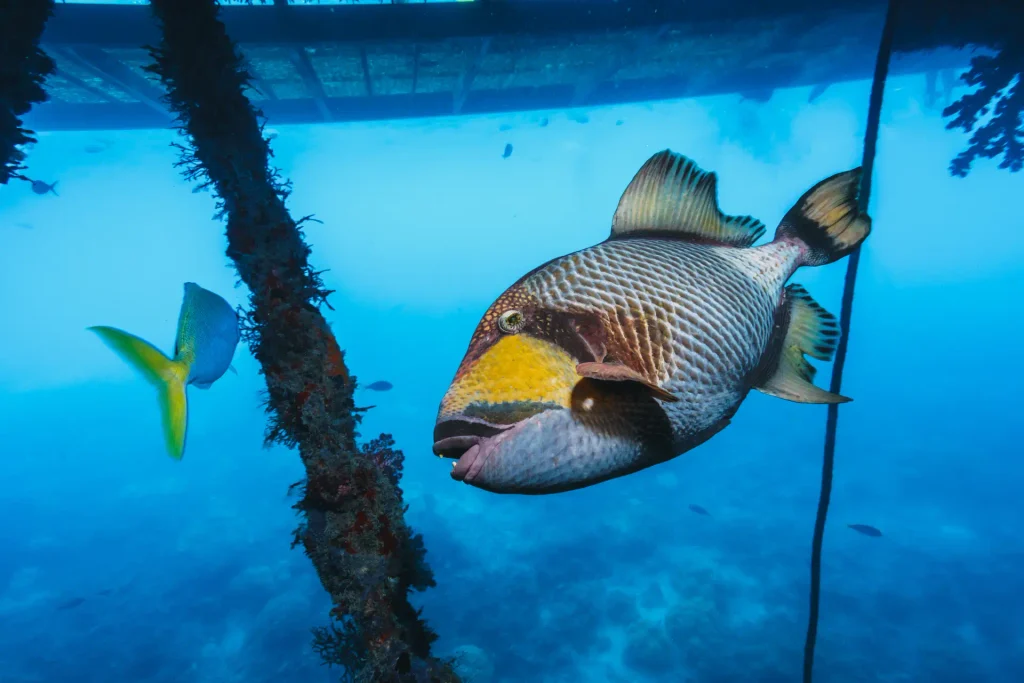
The largest of the triggerfish, reaching about 75 centimetres, has a yellowish body with bold black markings and eyes that swivel independently. In late spring and summer nesting season it guards a cone-shaped territory above its nest and can be feisty. If one charges, swim away sideways rather than upward and it will usually lose interest.
Give Yourself the Best Odds
Nobody can guarantee a whale shark, but the surest way to see anything on this list is to get in the water and slow down. Many of these animals are small, shy or camouflaged, and patience beats speed every time. For a fuller look at Hurghada’s marine life, there is plenty more to find below the surface. And if you’ve never dived before, you can try scuba diving in Hurghada with no experience needed and meet a few of these residents for yourself.

Jon lives in Nova Scotia, Canada and is the founder of ScubaDiveMarketing.com
. We work with dive shops from around the world to increase their online presence.