
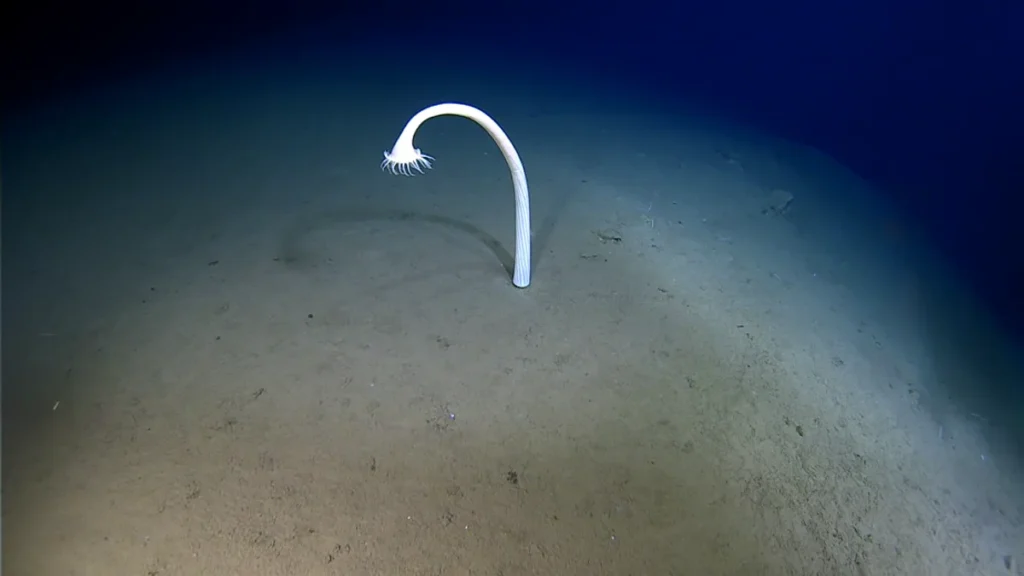

A new deep-sea study is reminding scientists how much of the ocean is still unknown. Even though many parts of the seafloor have been mapped, the deep ocean remains one of the least explored environments on Earth.
Earth is about 71% ocean, but researchers estimate that more than 80% of the ocean is still unexplored in detail. That is not because scientists are not interested. It is because the deep sea is difficult to reach. It is cold, dark, and under extreme pressure. These conditions are dangerous for people and challenging for submersibles and other underwater equipment.
Because access is limited, deep-sea exploration often leads to major discoveries. When researchers reach new areas, they can find habitats and species that have rarely been seen or studied.
Six submersible surveys mapped deep trenches off Japan
In a recent research project led by the University of Western Australia, scientists used submersibles to explore deep ocean trenches off the coast of Japan. The study was published in the Journal of Biogeography and summarizes what the team observed during six separate surveys.
The researchers did two main things:
- mapped sections of deep-sea trenches
- documented organisms living on and near the seafloor
Across the dives, the team recorded more than 30,000 organisms. That level of documentation provides a detailed look at biodiversity in deep trench habitats.
What scientists learned about deep-sea habitats
The study found that deep-sea life is not evenly distributed. The researchers observed that different trenches supported different communities of organisms. The differences were linked to factors such as:
- depth
- the amount of nutrients arriving from surface waters
In simple terms, food supply and depth helped shape which species were common in each trench system.
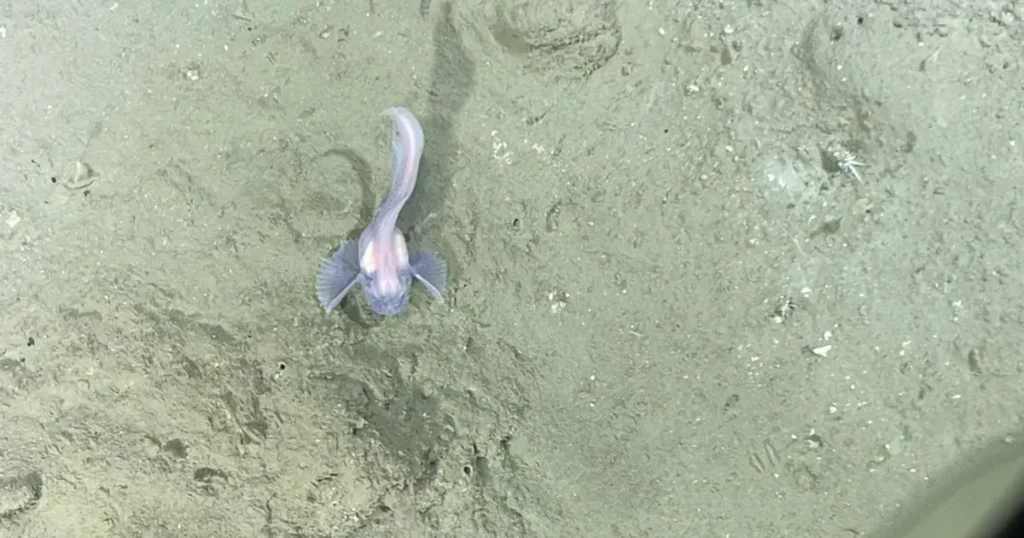
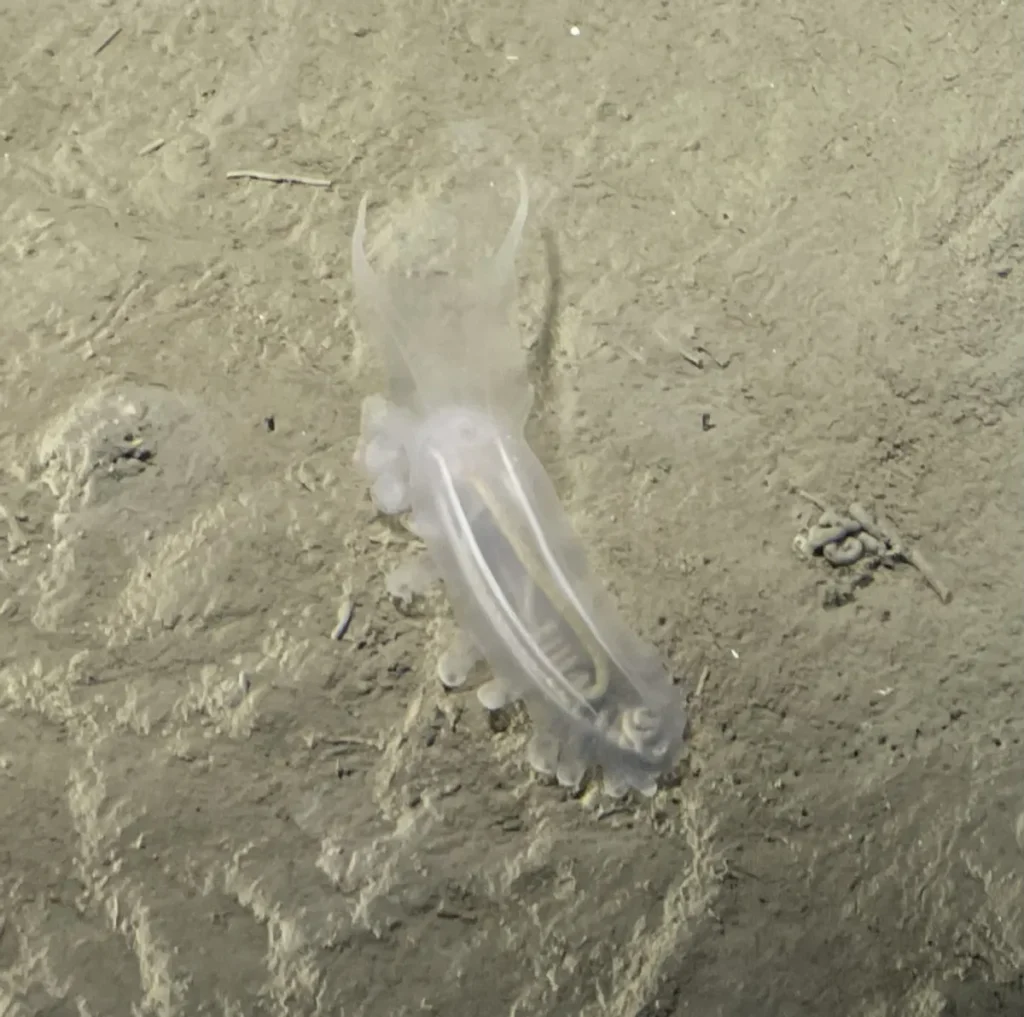
The dives also revealed a wide range of animals and habitats. Observations included creatures such as sea cucumbers and areas described as meadows of sea lilies. These findings show that deep trenches can support complex ecosystems, not only scattered individual animals.
Why some trench areas have more biodiversity than others
The research also examined differences inside the same trench. Even when two areas were at similar depths, the species communities could still be very different.
One factor was the history of seismic activity and how stable the seafloor is over time. Areas with frequent past disturbance tended to have lower diversity and were dominated by species that appear strongly adapted to those conditions. More stable zones supported a greater variety of organisms.
This suggests that deep-sea biodiversity depends not only on depth, but also on long-term environmental stability.
Why deep-sea creatures matter
Many deep-sea species remain unknown, and some are rarely observed. Still, they can play an important role in ocean ecosystems. Deep-sea organisms support food chains that connect different layers of the ocean. They may also contribute to processes linked to climate regulation.
Every new survey helps scientists understand what lives in the deep ocean and how these ecosystems work. As technology improves, researchers can study deeper and longer, which can lead to more accurate maps, better biodiversity records, and a clearer view of how deep-sea habitats respond to changes over time.
Conclusion
This new deep-sea study shows that Japan’s ocean trenches contain rich and varied life, shaped by depth, nutrient supply, and seafloor stability. With more than 30,000 organisms documented, the research adds valuable detail to an area of the ocean that is still difficult to explore. Each expedition brings scientists closer to understanding the deep sea and the many species that live far below the surface.

Diventures Team is a multidisciplinary team of scuba professionals, editors, and digital creators, producing accurate and experience-driven coverage of diving, marine life, and ocean culture.