
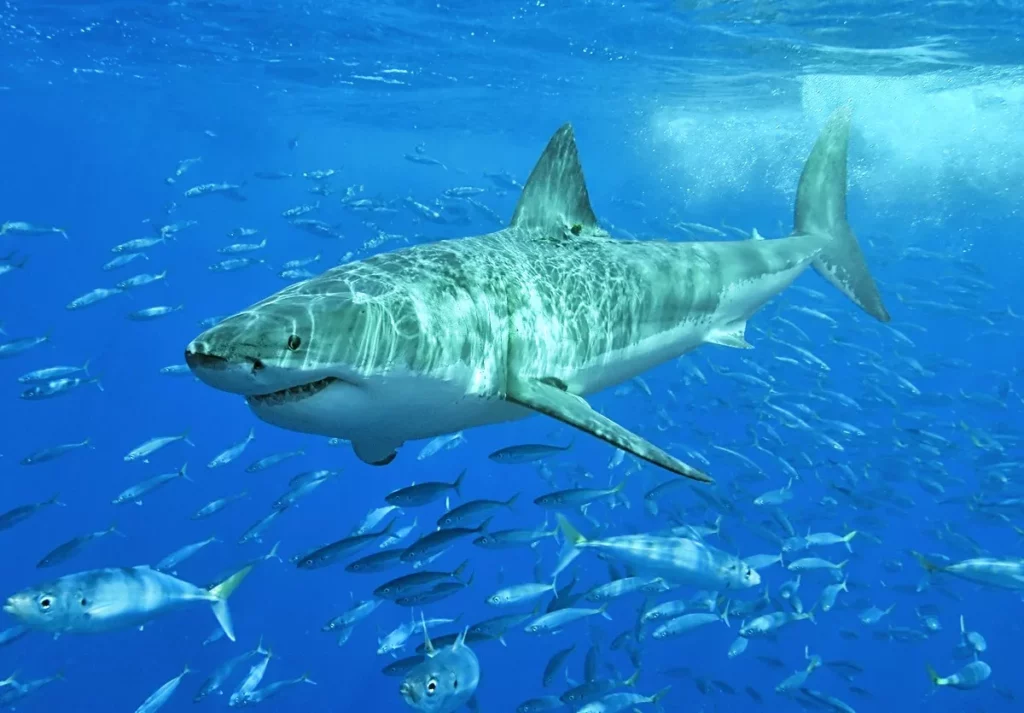
Rising ocean temperatures are beginning to reshape marine ecosystems across Europe, and a new discussion is emerging around a surprising possibility: the return of great white sharks to the North Sea. Scientists are examining whether climate-driven changes could make northern waters suitable again for one of the ocean’s most iconic predators.
A Predator from the Past
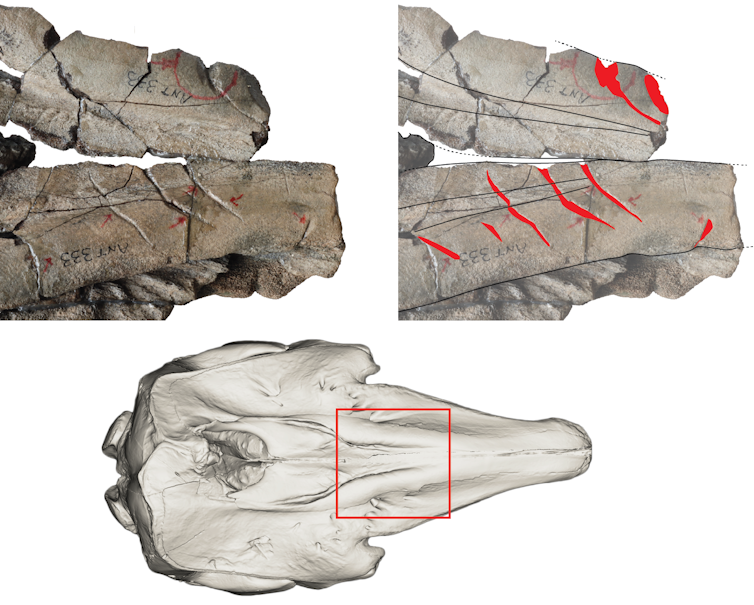
The great white shark is not entirely foreign to the region. Fossil evidence suggests that these sharks once inhabited waters around what is now the North Sea thousands of years ago. However, modern records show no confirmed populations in recent centuries, largely due to colder sea temperatures and shifts in prey distribution.

Now, that historical absence may not be permanent.
Warming Waters Changing the Equation
Ocean temperatures in the North Sea have been steadily increasing due to climate change. Marine scientists note that even small temperature rises can significantly alter habitat suitability for large predators. Warmer conditions could make the region more appealing to species that typically prefer temperate waters.
This shift is already influencing marine biodiversity. Species traditionally found further south have been gradually moving northward, following changes in water temperature and food availability.
Food Supply as a Key Factor
One of the main drivers behind any potential return is prey availability. Great white sharks rely heavily on marine mammals such as seals, and populations of these animals have been increasing in parts of the North Sea.
As seal colonies expand, they create a more viable feeding ground for apex predators. Scientists suggest that if both temperature and prey conditions align, occasional visits—or even seasonal presence—of great whites could become more likely.
No Confirmed Sightings—Yet
Despite growing speculation, there have been no confirmed sightings of great white sharks in the North Sea in modern times. Researchers emphasize that the idea remains hypothetical, based on environmental trends rather than direct evidence.
Marine experts caution against alarm, noting that even if great whites were to reappear, encounters with humans would likely remain extremely rare. These sharks are known to travel vast distances, but their movements are typically guided by food sources rather than human activity.
Broader Implications for Marine Ecosystems
The possibility of great white sharks returning highlights a broader issue: the rapid transformation of marine ecosystems under climate pressure. As ocean conditions continue to evolve, species distributions are shifting in ways that were once considered unlikely.
For divers and marine observers, these changes could reshape underwater experiences across Europe. However, they also raise important questions about ecosystem balance, conservation, and long-term environmental stability.
A Sign of Changing Seas
While the return of great white sharks to the North Sea is not yet a reality, the discussion itself reflects a changing ocean. Scientists will continue monitoring temperature trends, species movements, and ecological indicators to better understand what the future may hold.
For now, the idea remains a possibility—one that underscores just how dynamic and unpredictable marine environments have become.

Operations and Marketing Manager at Diventures, holds an advanced diver certification and writes outstanding articles for both the website and digital publications. She contributes to every step of the process with her creativity and organizational skills.