

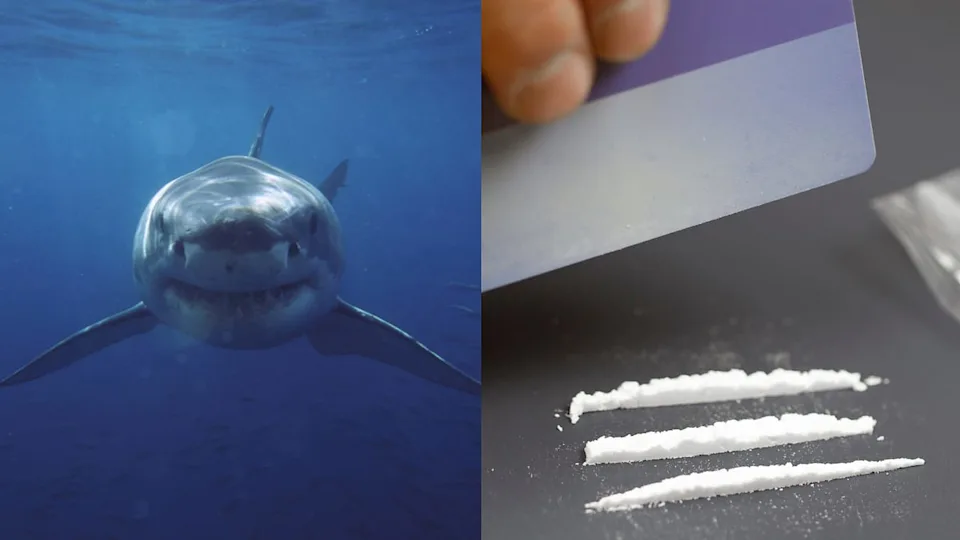
A recent study has revealed an unusual and concerning discovery: sharks in waters near the Bahamas have been found with traces of cocaine and other drugs in their systems.
The findings have raised questions about how human-related pollution is reaching marine life and what impact it may have on ocean ecosystems.
Drugs Detected in Marine Predators
According to the study, researchers detected cocaine along with other pharmaceutical substances in shark tissue samples collected in the region.
Sharks, as top predators, are often used as indicators of environmental health. The presence of such substances suggests that pollutants are moving through the marine food chain and accumulating in higher-level species.
How Do Drugs Enter the Ocean?
Scientists believe that drugs can enter marine environments through several pathways, including:
- Wastewater discharge
- Illegal dumping
- Runoff from coastal areas
- Maritime activities
Once in the water, these substances can be absorbed by smaller organisms and gradually move up the food chain, eventually reaching large predators like sharks.
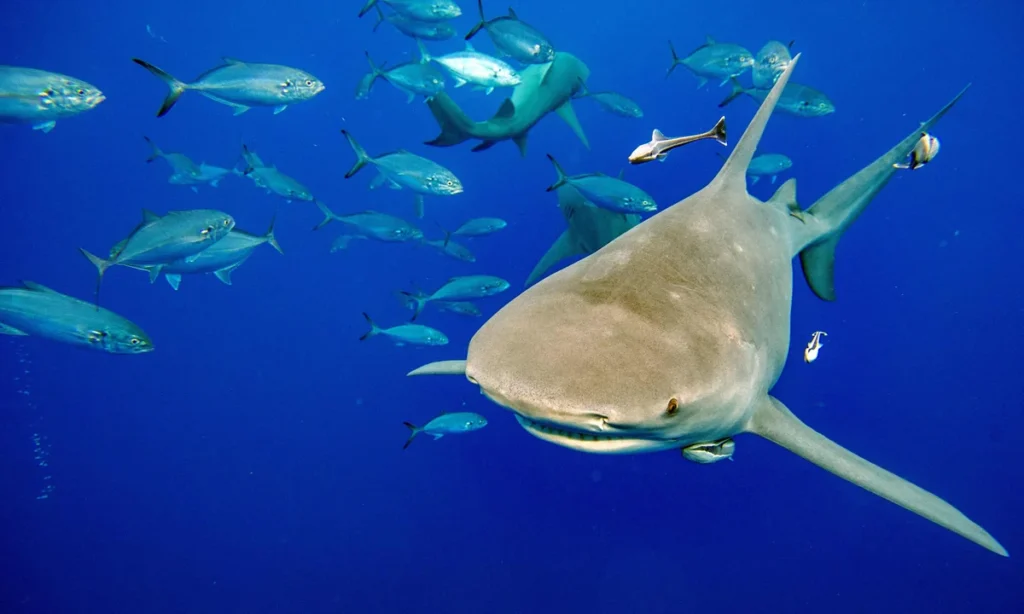
Potential Impact on Shark Behavior
While the long-term effects are still being studied, researchers warn that exposure to drugs could potentially affect shark behavior, health, and overall ecosystem balance.
Some experts suggest that chemical exposure may influence:
- Movement patterns
- Feeding behavior
- Neurological responses
However, further research is needed to fully understand these impacts.
A Wider Environmental Concern
The discovery highlights a broader issue: oceans are increasingly affected by human activity in ways that are not always visible.
Pollution is no longer limited to plastics and oil spills. Chemical contamination—including pharmaceuticals and narcotics—is becoming a growing concern for marine scientists.
What This Means for the Diving Community
For divers, the finding is another reminder that ocean health is directly linked to human behavior on land.
Destinations like the Bahamas remain popular for diving, but maintaining these environments requires stronger awareness and responsible practices.
Looking Ahead
Researchers emphasize that more studies are needed to understand how widespread this issue is and what it means for marine ecosystems.
The presence of drugs in apex predators like sharks is not only unusual—it is a signal that human impact on the ocean continues to expand in unexpected ways.

Operations and Marketing Manager at Diventures, holds an advanced diver certification and writes outstanding articles for both the website and digital publications. She contributes to every step of the process with her creativity and organizational skills.