
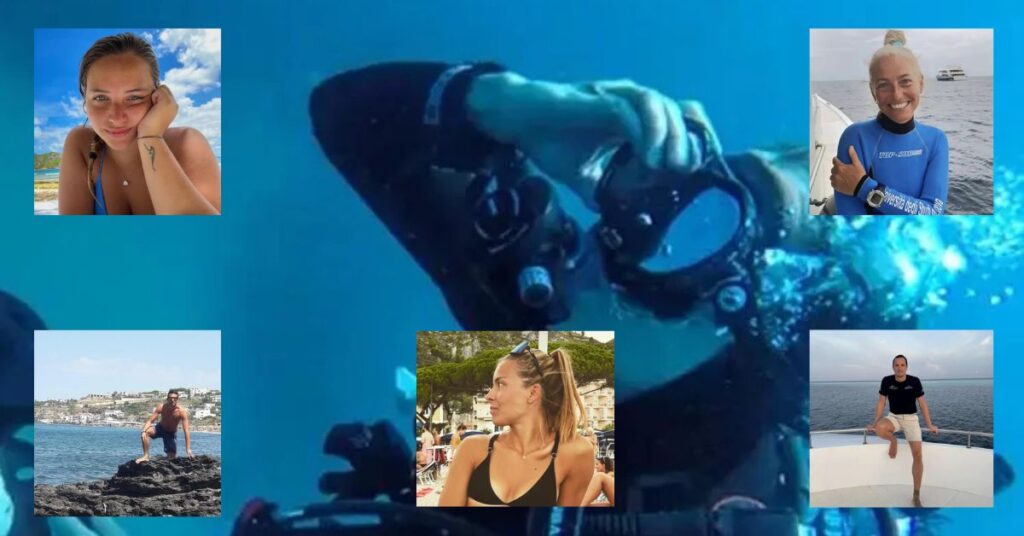

A new wave of expert analysis is shedding light on the possible causes behind the fatal Maldives diving accident that killed five Italian divers earlier this week — a tragedy already considered one of the deadliest diving incidents in the country’s history.
The victims disappeared during a deep cave dive near Vaavu Atoll after descending to around 50 meters (164 feet), according to Maldivian authorities. Investigators are still working to determine exactly what happened underwater, but diving and medical experts now believe oxygen toxicity and panic may have played a critical role in the fatal chain of events.
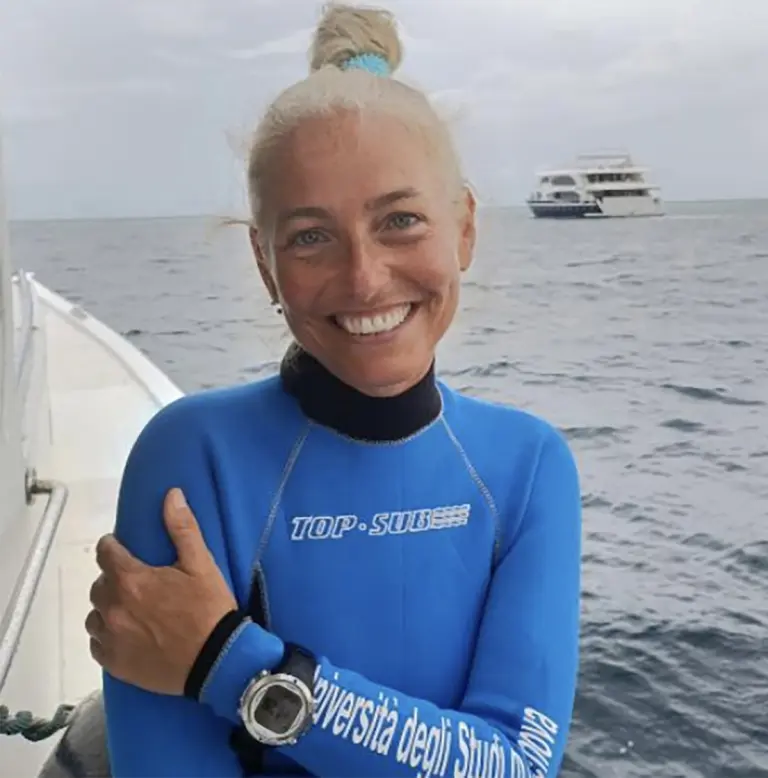
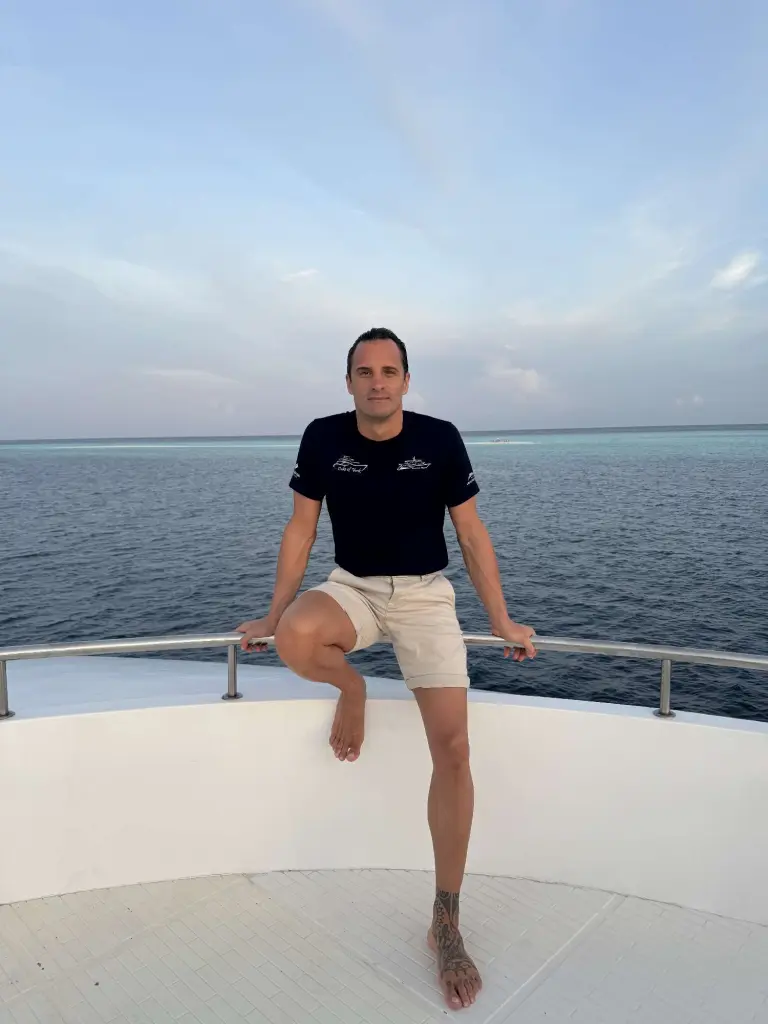
The group included marine biology professor Monica Montefalcone, her daughter Giorgia Sommacal, research assistant Muriel Oddenino, diving instructor Gianluca Benedetti, and marine biology graduate Federico Gualtieri. Their deaths shocked both the scientific and diving communities after the divers failed to resurface during the expedition from the liveaboard vessel Duke of York.

Oxygen Toxicity Theory Emerges
Italian pulmonologist Claudio Micheletto told Italian media that a malfunction or incorrect gas mix could potentially explain why all five divers were affected during the same dive.
According to experts cited in international reports, oxygen toxicity — also known as hyperoxia — can occur when divers breathe gas mixtures containing excessive oxygen at depth. Under increased pressure, oxygen can become toxic to the central nervous system, leading to symptoms including dizziness, disorientation, convulsions, and sudden loss of consciousness underwater.
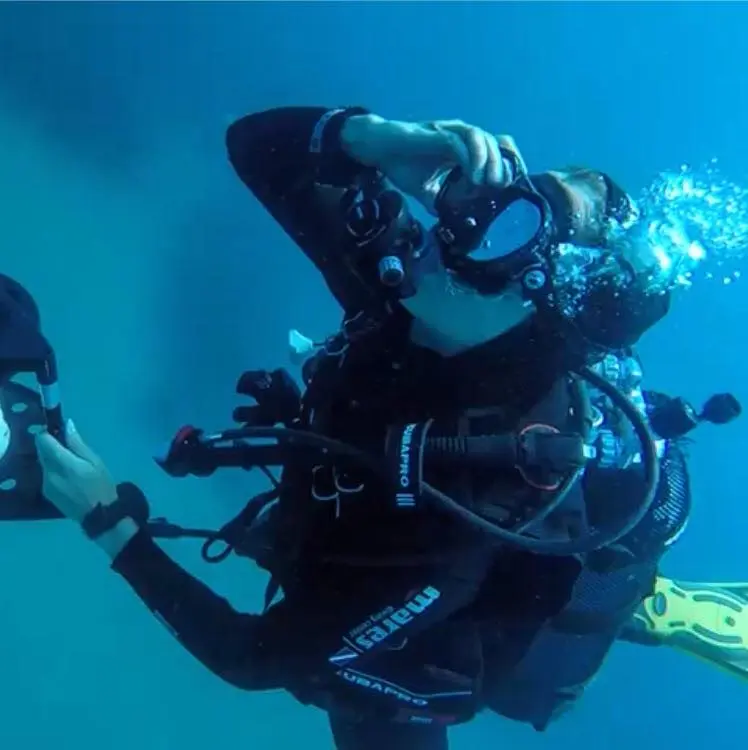
While recreational divers typically use standard compressed air, technical dives may involve enriched air or specialized gas blends. Experts stressed that investigators have not confirmed any equipment failure or gas issue at this stage.
The exact dive profile and equipment used by the group have not yet been officially released.
Panic and Visibility Concerns Inside the Cave
Another concern raised by diving specialists involves the environment itself.
Alfonso Bolognini, president of the Italian Society of Underwater and Hyperbaric Medicine, warned that panic inside a confined cave system at such depth could rapidly escalate into a deadly emergency.
Experts noted that disturbed sediment inside underwater caves can quickly reduce visibility to near zero, making navigation and emergency response extremely difficult even for experienced divers.
Weather conditions may also have complicated the dive. Reports from the Maldives indicated strong winds and rough seas were present in the Vaavu Atoll area during the expedition.
Recovery operations have proven difficult due to the depth and confined structure of the cave system. Maldivian officials confirmed that one body was initially recovered from inside the cave, while the remaining victims were believed to still be within the same underwater system during early rescue efforts.
Investigation Continues
Authorities in the Maldives have not yet released an official cause of death, and investigators continue examining the circumstances surrounding the dive.
The tragedy has sparked widespread discussion across the global diving community, particularly regarding deep cave diving procedures, gas management, and environmental conditions during advanced dives.
For Red Sea technical divers and cave diving professionals, the incident serves as another reminder of how rapidly conditions can deteriorate during deep overhead-environment dives — especially when multiple risk factors combine.

Mohsen Nabil is the Founder and Editor-in-Chief of Diventures Magazine. A mechanical engineer and scuba diving instructor based in the Red Sea, he writes about diving safety, marine conservation, underwater exploration, and developments in the global dive industry. Through Diventures Magazine, he works to connect divers, scientists, and ocean advocates while promoting responsible diving and protection of the oceans.