
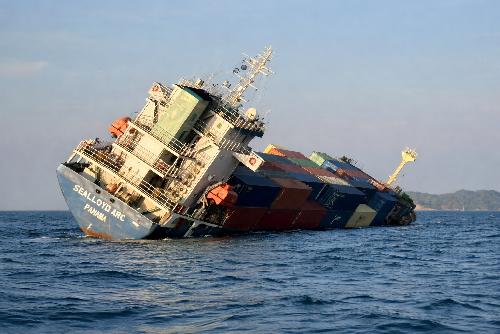

A cargo ship under Panama flag, the Sealloyd Arc, has sunk off the south coast of Phuket, Thailand, triggering a growing oil spill response in the Andaman Sea. Media reports say the vessel got into trouble on Saturday while sailing from Malaysia to Bangladesh, developed a list, and later went down about five kilometers from the coast. All 16 crew members were rescued.
Authorities and response teams are now focused on limiting pollution. Aerial observations have confirmed an oil film on the water, and cleanup teams are working to contain and remove it.
Containers and hazardous cargo raise extra concern
Reports state the ship was carrying around 300 containers, including 14 containers with hazardous goods. That detail matters for divers because floating debris and possible container-related leakage can change risks quickly, even when the visible oil appears limited to the surface.
One outlet reported the oil slick as roughly eight kilometers long and close to two kilometers wide at one point, showing how fast conditions can shift with wind and current.
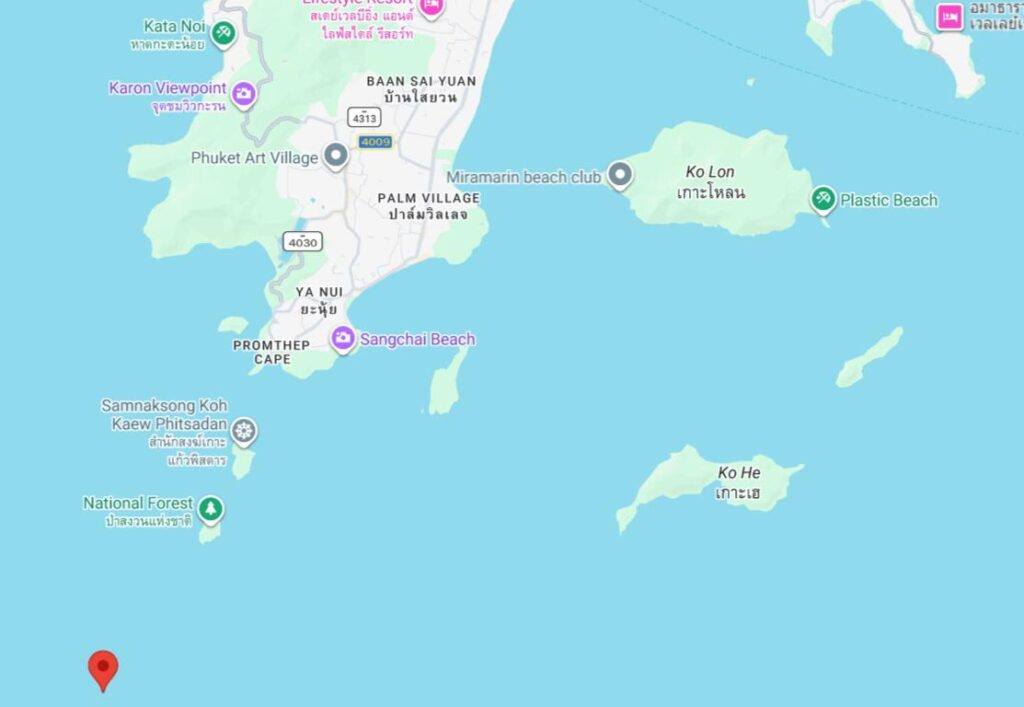
Why divers should treat this as a live situation
For experienced divers, the main concern is not only “oil on the surface.” It is the full chain of effects that can reach dive operations:
- Surface hazards: Oil sheens can foul ladders, decks, and exposure suits. They can also reduce visibility for small boats and increase slip risk during entries and exits.
- Water movement: In Phuket’s region, currents can move surface pollution and debris away from the incident site, then back again with changing tides and wind.
- Debris and navigation risk: Containers and loose cargo can create hazards for small craft routes used by day boats. Even when debris is not visible, operators may change routes to reduce risk.
Practical guidance before you dive
Because conditions can change by the hour, treat this like a developing marine incident:
- Check the operator’s latest briefing on the morning of your dive. Ask whether planned sites are being changed due to spill response zones or boat traffic.
- Avoid self-planned shore entries in areas where a sheen or unusual smell is present. If you see oil on rocks or foam lines, do not enter.
- Protect equipment after any suspected exposure. If your gear contacts a sheen, rinse promptly with fresh water and follow your manufacturer’s cleaning guidance.
- Watch for irritation symptoms (eyes, skin, throat) if you are near surface sheens. If symptoms occur, end the activity and seek local medical advice.
What to watch next
Response teams are attempting to reduce the spill and limit impact. For divers and dive centers, the key updates will be: the size and direction of the oil film, any temporary sea-area restrictions, and whether debris is reported on common boat routes.
Diventures Team is a multidisciplinary team of scuba professionals, editors, and digital creators, producing accurate and experience-driven coverage of diving, marine life, and ocean culture.