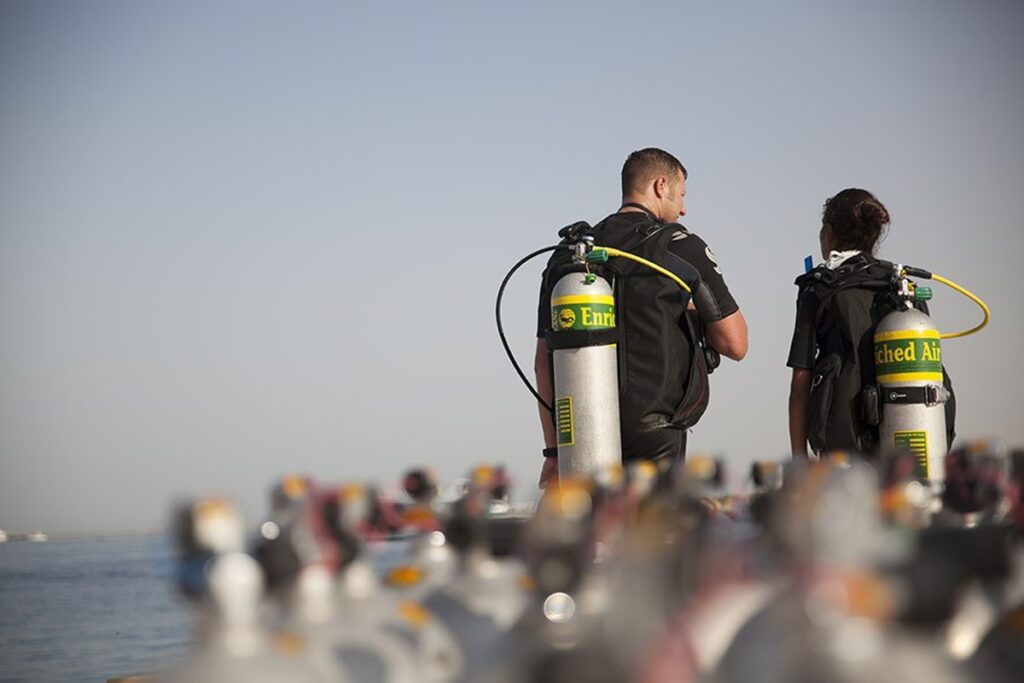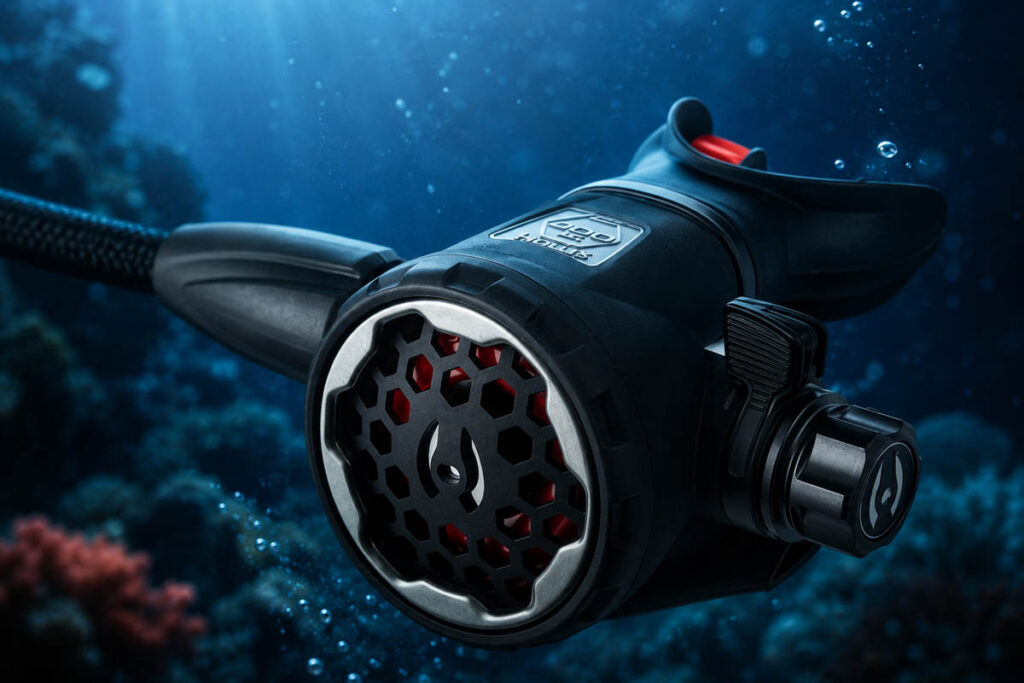

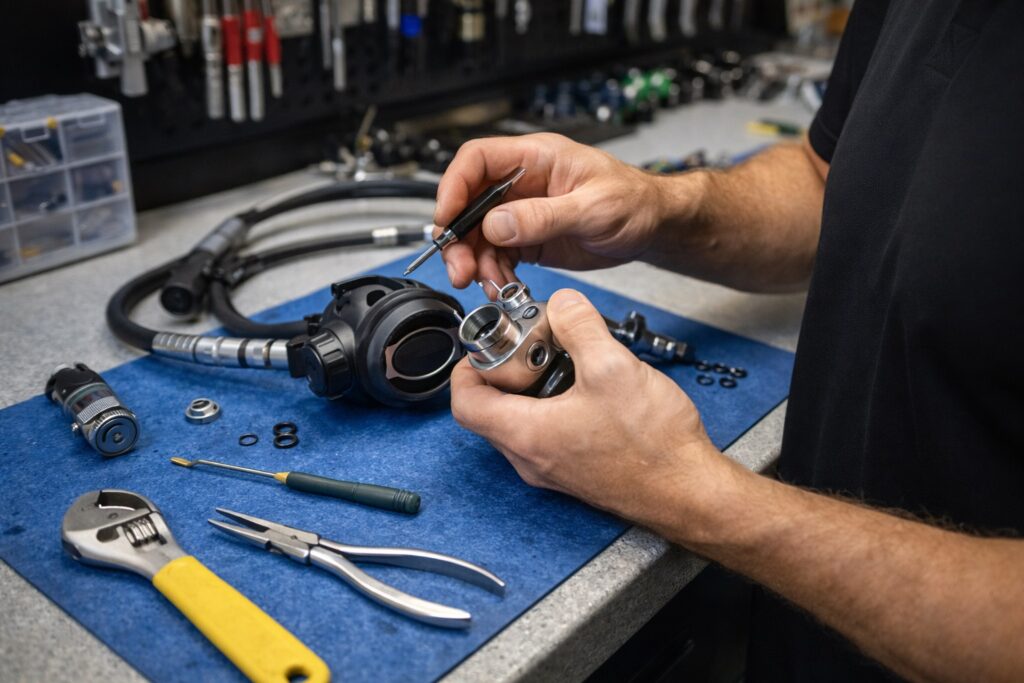

Your equipment isn’t just “gear.” Underwater, it’s life support. Here’s a simple workshop you can apply at home.
Whether you dive for exploration or as part of your job, your scuba equipment is more than tools—it is your life-support system underwater. Caring for it is not limited to rinsing after a dive. It requires a structured routine: daily, monthly, and annual maintenance to protect safety, performance, and the working life of every component.
This article is a simplified workshop you can follow at home. It will help you build good habits, spot early warning signs, and know when it’s time to hand the work to certified professionals.
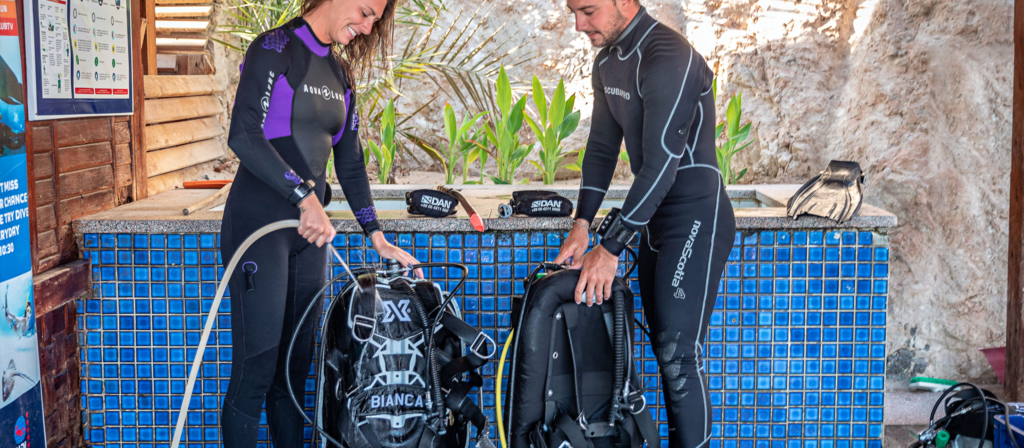
Daily Maintenance (After Every Dive)
After each dive, don’t pack your equipment away immediately. Take a few minutes to do the following:
1- Rinse with fresh water
Rinse all parts thoroughly to remove salt, sand, and debris:
- Regulator (including hoses)
- BCD (buoyancy compensator)
- Mask and snorkel
- Fins
- Any inflator hoses and accessories
2- Dry properly
Place the equipment in a shaded, well-ventilated area. Avoid direct sunlight, which can damage rubber, silicone, and fabric over time.
3) Quick visual inspection
Look for:
- Cracks or cuts in hoses and mouthpieces
- Corrosion on metal fittings
- Worn or damaged O-rings
- Any unusual signs of air leaks
4- Hygiene and disinfection
Use a safe, equipment-friendly disinfectant for parts that touch the mouth and nose (mouthpiece, snorkel, mask). This is especially important for shared or rental gear.
Monthly Maintenance (Once a Month)
Once a month, set time for a deeper check:
1) Test your BCD function
Inflate and deflate the BCD several times and confirm:
- It does not inflate on its own
- It does not lose air or auto-deflate
- Dump valves operate smoothly
2) Check the regulator under tank pressure
Connect the regulator to a cylinder, pressurize it, and listen carefully:
- Any hissing or bubbling indicates a leak
- Any unusual sound may indicate internal wear
- Ensure breathing resistance feels normal
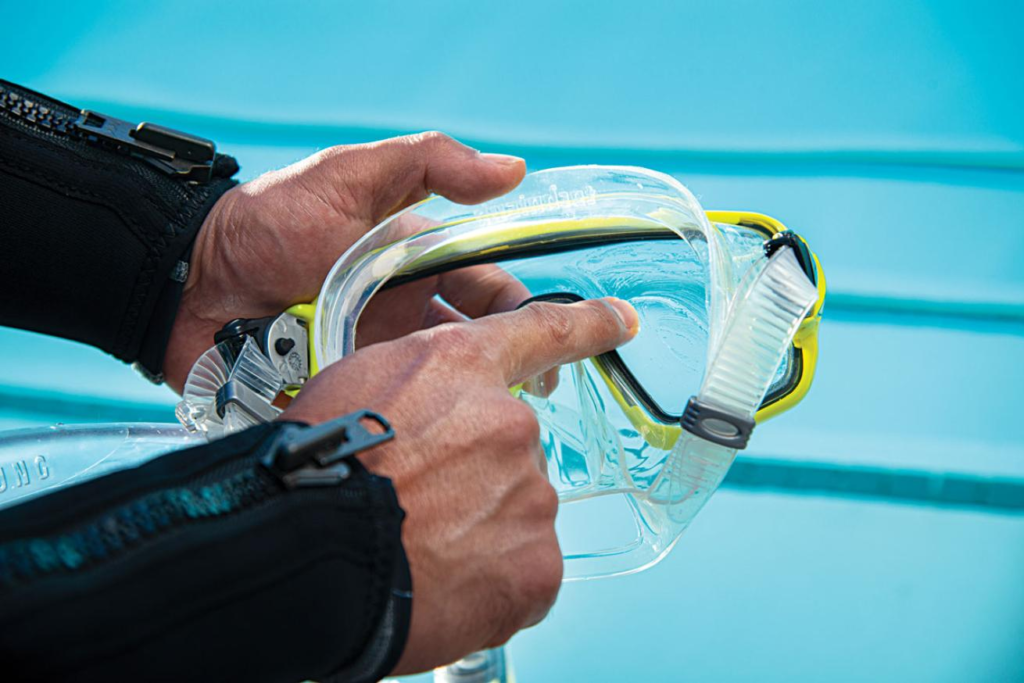
3) Inspect silicone and soft parts
Check the mask skirt and regulator mouthpiece:
- Softness and flexibility (not brittle or cracked)
- No tearing around connection points
4) Clean the BCD internally
Rinse the inside of the BCD bladder using fresh water and a small amount of BCD-safe disinfectant. Drain fully and allow it to dry properly.
Annual Maintenance (Professional Service)
Do not attempt full servicing yourself. At least once a year, send your equipment to an authorized service center for professional inspection and servicing:
Regulator (Annual Service)
- Full disassembly
- Internal and external cleaning
- Replacement of the full service kit (seals, O-rings, internal parts as required)
- Pressure tuning and performance testing
BCD (Annual Service)
- Valve and hose inspection
- Leak and pressure-resistance testing
- Inflator and dump valve service as required
Cylinder Checks
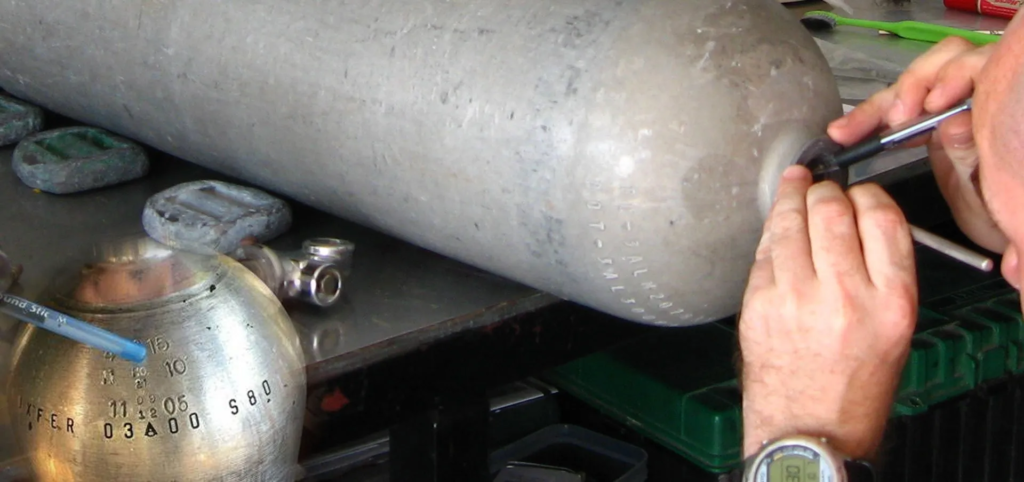
- Annual visual inspection
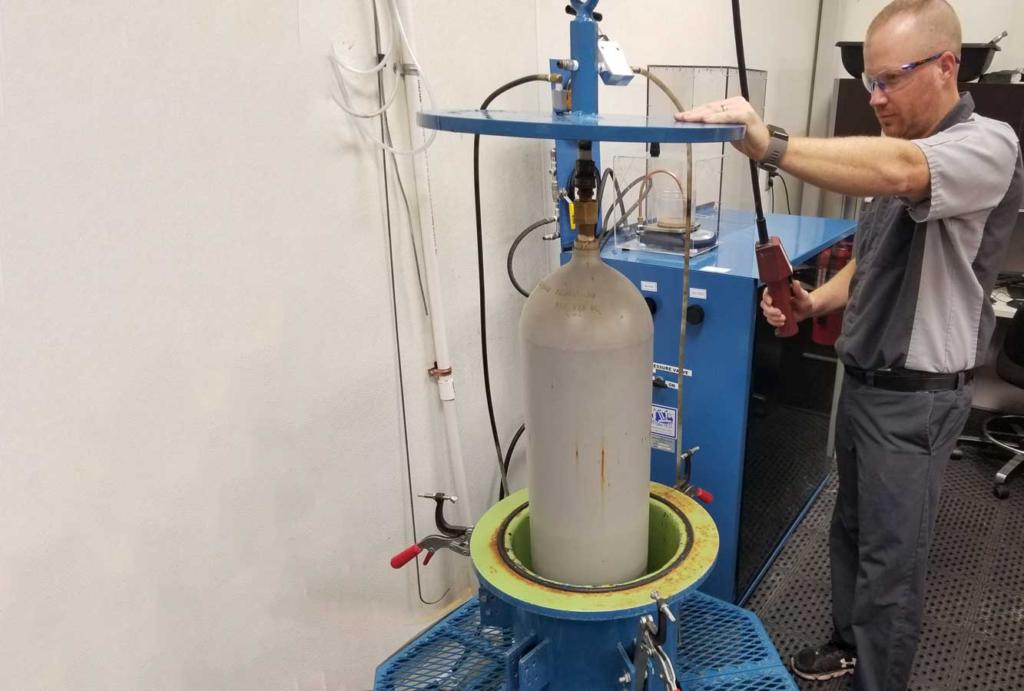
Hydrostatic test every 5 years (or according to the cylinder manufacturer’s requirements)
Lubrication After Cleaning
Use only lubricants that are compatible with scuba equipment.
- Use the correct grease for the correct application
- Do not use silicone on valves or on parts exposed to high-pressure air, unless it is the correct lubricant approved for that system
- When in doubt: follow manufacturer guidance or ask your service technician
Correct Storage (Avoid Hidden Damage)
Storage habits can extend equipment life more than many divers realize.
Storage conditions
- Cool, dry, shaded, and well-ventilated
- Avoid heat, direct sunlight, and sealed humid bags
Wetsuits/Drysuits
- Hang on wide hangers
- Avoid sharp folds that create permanent creases and weak points
Regulators
- Store without tight hose bends
- Avoid heavy objects resting on hoses or second stages
Fins and masks
- Store flat and without pressure
- Don’t stack heavy items on top of mask skirts or fin blades
Warning Signs That Require Professional Service
Don’t wait until something fails underwater. Watch for:
- Unusual sounds or air leaks from the regulator
- BCD that will not hold air, or that deflates by itself
- Visible cracks or damage on hoses, mouthpieces, or connectors
If you see any of these, stop using the gear until it is inspected by a professional.
Training and Skills Development
Divers are encouraged to take maintenance-related courses offered by many training agencies. These are often titled:
- Equipment Specialist
- Equipment Maintenance
Such courses help divers understand how gear works, how to care for it properly, and how to recognize problems early—without crossing the line into technical servicing that should only be done by certified technicians.
Final Word
Your scuba equipment is the first line of defense between you and real risk. Neglecting it is not just poor practice—it’s gambling with your safety.
Do what you can at home: rinse, inspect, store properly, and build a routine. But never hesitate to go to professionals when needed. A service record is part of being a serious diver—and a key step toward safe, sustainable diving.

Khattab Faramawy
PADI master scuba instructor, a certified diving equipment technician for many international brands, with extensive experience in diving training and equipment maintenance.