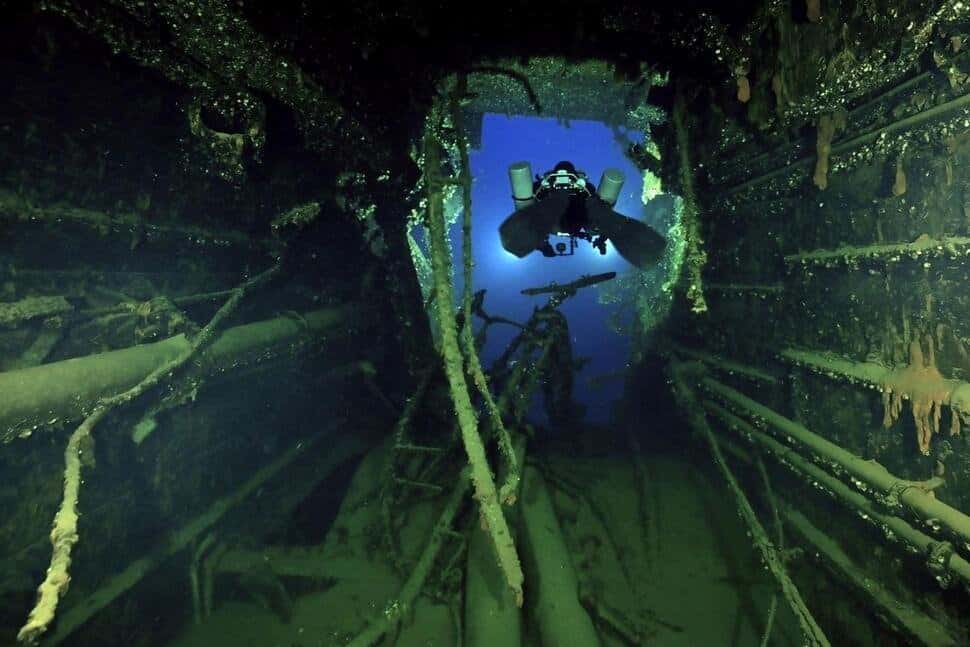

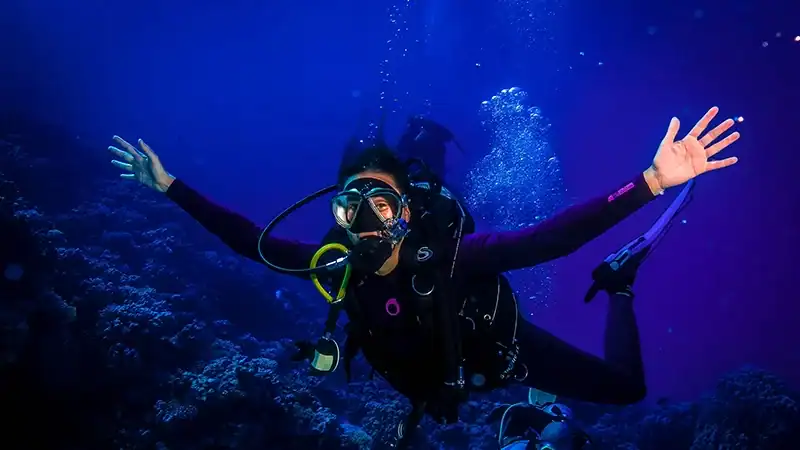

Drift diving is often described as easy, but it is not casual. It is a controlled dive in moving water. Instead of fighting the current, divers use it to travel across reefs, walls, and channels. When done well, the dive feels smooth and efficient.
The main factor in drift diving is current. Many divers treat current as a hazard. In drift diving, it becomes the engine of the dive. You enter at one point and exit at another, sometimes kilometers away. A boat often tracks the group from the surface and collects divers at the end.
Why drift diving works
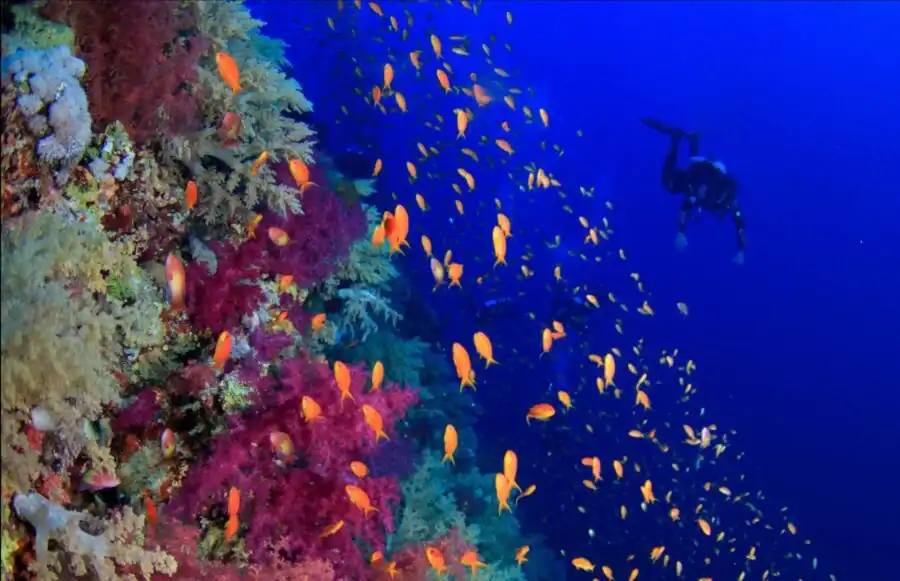
Drift diving is efficient. Finning is minimal, so many divers use less air. Less effort also means more attention for what matters: depth control, team awareness, and the reef in front of you.
Current-fed areas often hold more life. Currents bring nutrients, plankton, and oxygen. This supports reef fish and attracts larger pelagic species. Sharks, rays, turtles, and schooling fish are common on drift dives. Coral growth is also often healthier in these environments.
The discipline behind the “easy” feeling
Drift diving requires strong buoyancy and steady awareness. Walls and slopes can create sudden depth changes. Staying within planned depth limits matters. Poor buoyancy in a current can turn a calm dive into a fast problem.
Planning is the base of safe drift diving. A good briefing covers entry method, expected current strength, hand signals, and what to do if the team separates. Many drift dives use a negative entry, where divers descend immediately to avoid being moved at the surface.
Surface signaling devices are essential. A delayed surface marker buoy (DSMB) helps a diver show their position when surfacing away from the boat. In strong currents, surfacing without a marker can be dangerous, especially in busy waterways.
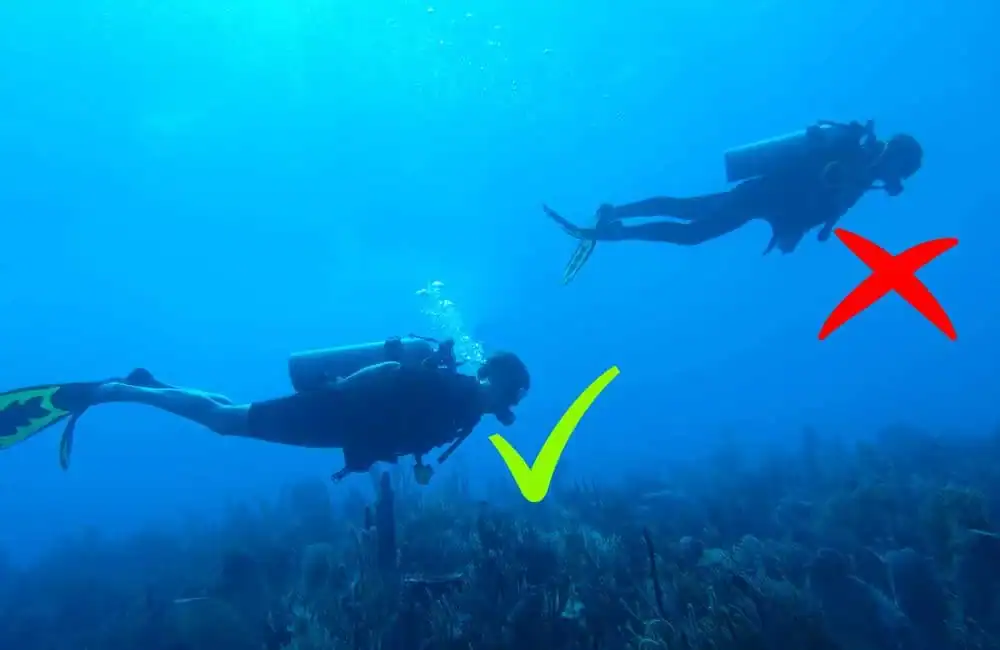
Buddy awareness also changes in a current. Buddies may not stay shoulder to shoulder. Divers often use a loose formation and adjust their position based on the reef and the flow. Losing sight of a buddy can happen quickly, so visual checks must be frequent.
Photography in moving water
Drift dives create strong photo opportunities. Movement can add energy to wide shots, with divers gliding over coral and fish moving with the flow. At the same time, macro photography is harder. Holding position takes skill and patience.
Where drift diving is common
Some well-known destinations offer classic drift conditions. Cozumel in Mexico, the Maldives, Indonesia, and parts of the Red Sea are often linked to drift diving. These sites combine strong currents, clear water, and high biodiversity. This is why they appeal to both recreational and professional divers.
A practical 2025 perspective
In 2025, many dive operators and destinations place more focus on site protection and diver control in currents. Drift diving can reduce reef contact because divers spend less time finning and hovering near fragile structures. Still, careless buoyancy can cause damage, especially in shallow sections. Good trim, calm finning, and stable depth control protect the reef and also protect the diver.
Drift diving is not only for advanced divers, but beginners should do it only with professional supervision. Mild currents can be a useful training setting. They build confidence and improve buoyancy and team habits.
At its best, drift diving feels like controlled movement. The reef passes below, marine life behaves naturally, and the dive stays quiet and focused. It removes unnecessary struggle and replaces it with planning, awareness, and trust in the process.

A young voice whose articles shine with energy and a fresh perspective. Through a promising pen, he takes us on journeys driven by a passion for discovery and a spirit of curiosity, adding a distinctive character to Diventures that reflects a new generation of writers connected to the sea and its worlds.