

With more than 7,000 islands surrounded by coral reefs, volcanic slopes, and deep blue channels, the Philippines offers incredible diving all year round. But because the country stretches across a vast section of the western Pacific, conditions vary by month and region. Understanding how the seasons shift — and what marine life appears when — can help you plan your dive adventure at the perfect time.
Here’s a month-by-month guide to diving conditions across the Philippines, from Luzon in the north to Mindanao in the south.
January
The year begins with calm seas and clear skies. January falls firmly within the northeast monsoon (known locally as Amihan), bringing cooler, drier air and great visibility in most regions. Water temperatures average around 79–81°F (26–27°C).
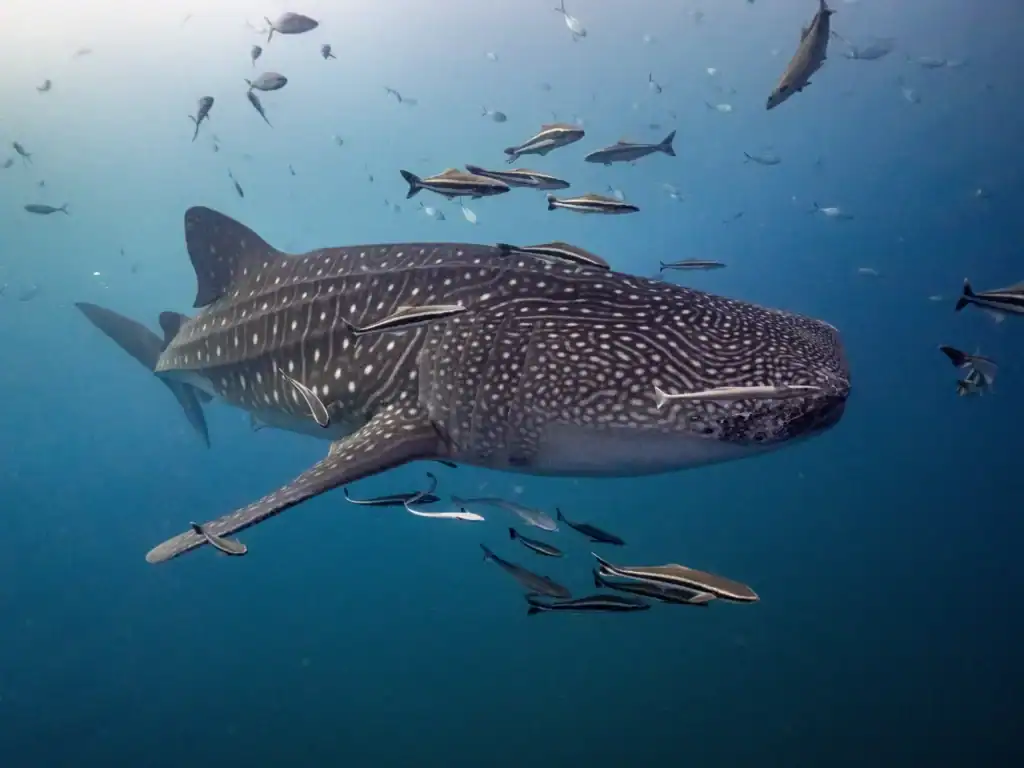
This is an excellent time to dive Anilao for macro photography or explore Moalboal’s sardine run on the island of Cebu. In Palawan, wreck diving in Coron is at its best, and the Visayas enjoy calm conditions with minimal rain. Whale shark activity begins increasing around Donsol and southern Cebu.
February
February is one of the most consistent months for diving across the Philippines. The seas are calm, the air is dry, and visibility can exceed 100 feet at many sites. This is the start of peak whale shark season in Donsol, where sightings are entirely natural and unsupplemented by feeding.
Tubbataha’s liveaboard season is just around the corner, so planning ahead now ensures a spot on one of the limited vessels. For land-based diving, Bohol and Dumaguete continue to offer pristine conditions.
March
March signals the start of summer and the official opening of Tubbataha Reefs Natural Park, one of the Philippines’ most spectacular dive areas. Seas are flat, skies are bright, and water temperatures begin to climb toward 82–84°F (28–29°C).
Across the country, conditions are ideal. This is the sweet spot for combining big-animal encounters with vibrant coral reef diving. Expect calm currents, high visibility, and thriving marine life.
April
April is often regarded as the very best month for diving in the Philippines. It offers near-perfect visibility, little to no rain, and the most reliable access to every region of the country.
Tubbataha is in full swing, Anilao’s reefs are bursting with color, and Palawan’s wrecks are calm and clear. Warm seas and settled weather make this the perfect time for beginners to complete dive courses or for experienced divers to plan long multi-region trips.
May
Conditions remain excellent, though air temperatures climb slightly and humidity begins to rise toward the end of the month. In most areas, visibility is still superb and marine life is abundant.
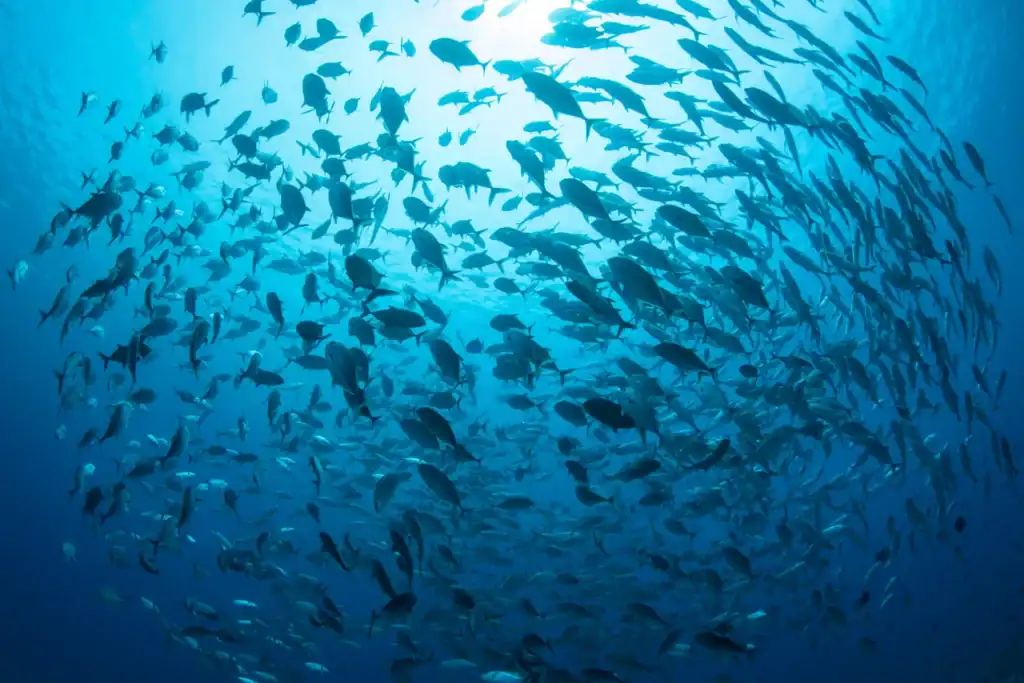
In the central Visayas, schools of jacks, barracuda, and sardines fill the reefs around Moalboal and Balicasag Island. In the south, Apo Reef and Mindoro experience calm seas and are popular for liveaboards. This is also the last full month of Tubbataha’s short but legendary season.
June
June marks the transition between the dry and wet seasons. The southwest monsoon (Habagat) begins to influence western and northern areas, occasionally bringing stronger winds and showers. Despite that, diving remains good — especially in the central and southern Philippines, which are more sheltered.
Water temperatures peak around 86°F (30°C). Coral spawning events occur in some regions, drawing in schools of reef fish and nocturnal feeders. Crowds start to thin out, so it’s an excellent month for those seeking quieter dive sites.
July
Rainfall increases across Luzon and Palawan, though not every day is wet — tropical showers often arrive in short bursts followed by sunshine. Diving continues uninterrupted in Cebu, Bohol, and Dumaguete, where seas remain calm and visibility averages 50–80 feet.
This is a fantastic month for macro enthusiasts, as critters thrive in nutrient-rich waters. Photographers will find frogfish, flamboyant cuttlefish, and seahorses in abundance.
August
August can bring occasional storms, but central Philippines regions continue to deliver great diving. Visayas islands such as Cebu and Negros are shielded from much of the monsoon activity affecting the north and west.
Divers who don’t mind the occasional rain shower can take advantage of quieter resorts, discounted prices, and surprisingly good visibility underwater. Mindanao’s southern sites, including Davao and Camiguin, also shine during this time of year.
September
As the southwest monsoon begins to weaken, weather patterns become more balanced across the islands. The seas start to calm, and visibility gradually improves again in northern regions.
In Anilao and Batangas, diving season ramps up after a few months of reduced activity. Macro photographers flock back to the area, while liveaboards begin preparing for the upcoming high season. It’s also an excellent time to explore Coron’s wrecks without heavy tourist traffic.
October
October is a transitional month that marks the return of consistently dry weather in most regions. It’s often overlooked but can be one of the most rewarding times to dive. The reefs have recovered from summer heat, fish activity is high, and conditions are improving daily.
Divers can expect mild currents, balanced water temperatures around 82°F (28°C), and good visibility. It’s an ideal time to explore the central Philippines or start a northern island-hopping itinerary before peak season crowds arrive.
November
The northeast monsoon returns, bringing dry air and calm seas. Visibility jumps significantly, especially around the Visayas and Palawan. This is the beginning of another prime diving window that will last through May.
November offers the best of both worlds — top conditions with fewer visitors. It’s a great month for liveaboard trips to Apo Reef or extended stays to enjoy the diving in Bohol, Cebu, or Dumaguete. Many dive resorts begin offering package deals during this period.
December
December is one of the most beautiful times of the year above and below water. The weather is pleasant, seas are calm, and marine life is vibrant. Water temperatures hover around 80–82°F (27–28°C), and visibility is exceptional.
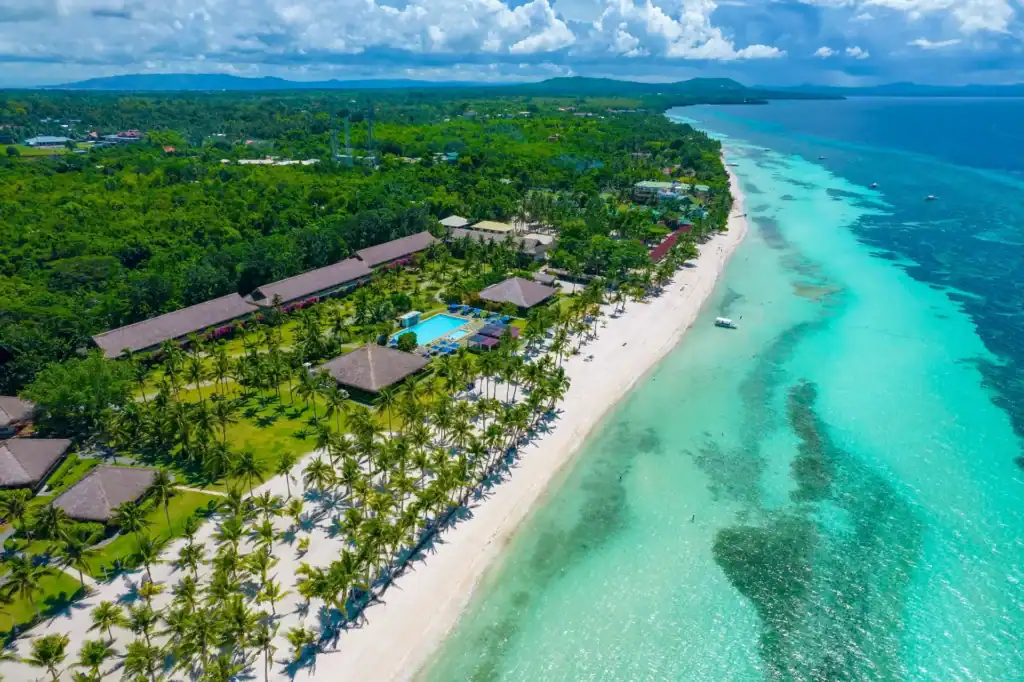
This is the start of peak tourist season, so popular dive destinations like Moalboal, Panglao, and Coron will be lively. Whether you’re celebrating the holidays underwater or escaping winter entirely, December is a spectacular time to experience Philippine diving at its best.
Key Takeaways by Season
- Best Overall Conditions: March through May
- Best for Whale Sharks: February to May (Donsol and Cebu)
- Best for Liveaboards: March to June (Tubbataha and Apo Reef)
- Best for Macro Photography: November to May (Anilao, Dauin, Bohol)
- Best for Fewer Crowds: June to October
Final Thoughts
One of the great joys of diving in the Philippines is that it never really stops. Somewhere in this vast island chain, conditions are always perfect. The key is to plan around regional weather shifts and decide what kind of experience you want — pelagic action, macro photography, wreck exploration, or relaxed reef diving.
No matter which month you visit, you’ll find warm waters, welcoming people, and some of the most vibrant marine life on the planet. In the Philippines, every season brings something special — and every dive reveals a new reason to come back.

Jon lives in Nova Scotia, Canada and is the founder of ScubaDiveMarketing.com
. We work with dive shops from around the world to increase their online presence.