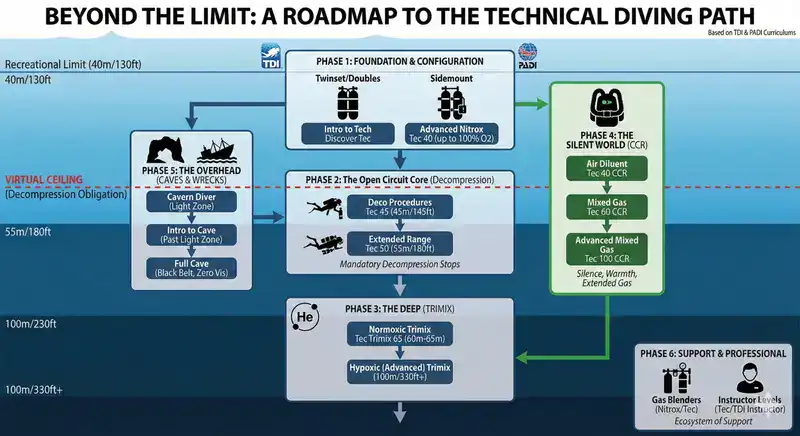

Diving technology has advanced significantly over the years, and closed-circuit rebreathers (CCR) are one of the most important innovations for scuba divers. Unlike traditional scuba equipment, rebreathers recycle the gas a diver breathes. This system removes carbon dioxide, adds oxygen, and controls oxygen levels in a looped circuit.
Rebreathers are no longer limited to military or scientific use. Recreational divers, underwater photographers, and technical divers are increasingly using them. They allow longer dives, closer contact with marine life, and reduce the physical strain of carrying multiple tanks.
This article explains how closed-circuit rebreathers work, their advantages, challenges, and practical tips for divers considering this technology.
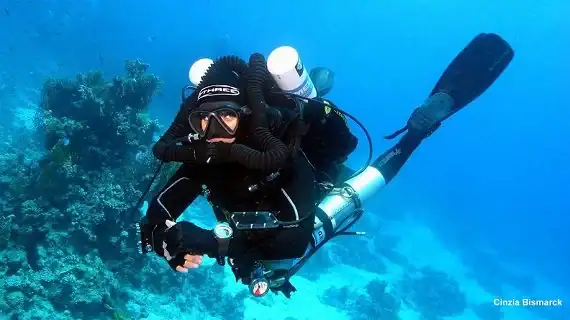
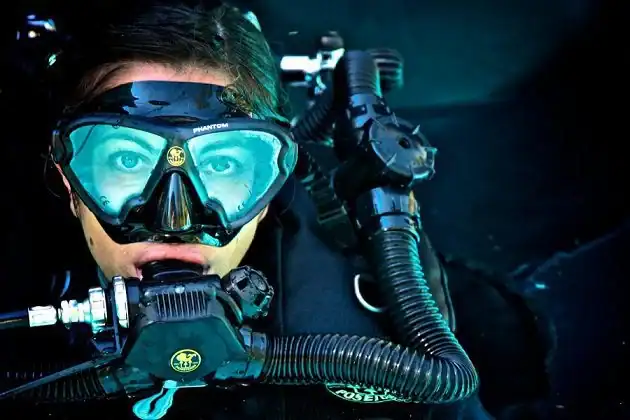
Closed-circuit rebreathers work with a loop system. One hose takes the exhaled gas to a carbon dioxide scrubber. This scrubber removes CO2 and the gas returns to the diver with fresh oxygen. The system allows the gas to be reused many times, making the dive more efficient. The rebreather controls oxygen levels to match the diver’s needs. This is different from open-circuit scuba, where oxygen is consumed quickly and released into the water. Controlling oxygen helps reduce decompression time and makes longer dives safer.
Rebreathers use gas efficiently, allowing divers to stay underwater for longer periods. The oxygen-rich mixture also reduces nitrogen buildup in the body, which can shorten decompression stops. Closed-circuit rebreathers produce almost no bubbles. This makes the diver quieter and less disturbing to fish and other underwater animals. Photographers and marine researchers benefit from this advantage.
Gas recycled through the rebreather is warmer and more humid than open-circuit scuba gas. This reduces the risk of dehydration and makes the dive more comfortable, especially in cold water. A rebreather can replace multiple cylinders needed for long or technical dives. This reduces weight on the back, saves space on boats or cars, and lowers the need for frequent gas refills.
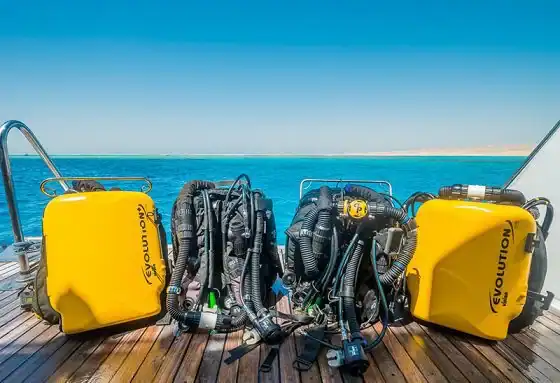
Rebreathers are complex. Divers need unit-specific training and practice to use them safely. Using a rebreather is almost like learning to dive again. They are expensive. Initial purchase, training, and consumables like scrubber material, oxygen sensors, and batteries can be costly. Regular maintenance is also essential.
Unlike traditional scuba, rebreathers require careful assembly and disassembly before and after each dive. Skipping steps can be dangerous. Rebreathers are larger and heavier than single cylinders. They may not suit divers who travel frequently or prefer simple gear. Not all dive centers or buddies have experience with rebreathers. This may limit where and with whom a diver can use a CCR safely.
Practical tips for divers include taking proper training and practice in controlled conditions before deep or long dives, following all pre-dive and post-dive procedures strictly, checking consumables, sensors, and batteries before each dive, planning dives with a buddy experienced in CCR diving, and starting with shallow dives to gain confidence with the system.
FAQ
Can I use a rebreather for short recreational dives?
Yes, but it is most useful for longer or technical dives where gas efficiency matters.
Are rebreathers safer than open-circuit scuba?
They are safe when used correctly. They reduce nitrogen loading, but mistakes in preparation or operation can be dangerous.
Do I need special certification to use a rebreather?
Yes. Each type of rebreather requires unit-specific training and certification.
Can rebreathers help me take better underwater photos?
Yes. The absence of bubbles and noise allows divers to approach marine life more closely.
Are rebreathers suitable for travel divers?
It depends. They are larger and heavier than open-circuit scuba, so consider travel logistics.
Closed-circuit rebreathers offer divers longer dive times, quieter operation, and improved comfort. They are not simple equipment and require training, preparation, and ongoing maintenance. For divers ready to invest time and effort, rebreathers provide new ways to explore underwater environments safely and efficiently.

Diventures Team is a multidisciplinary team of scuba professionals, editors, and digital creators, producing accurate and experience-driven coverage of diving, marine life, and ocean culture.