
Rasdhoo Beyru
Unverified
Overview
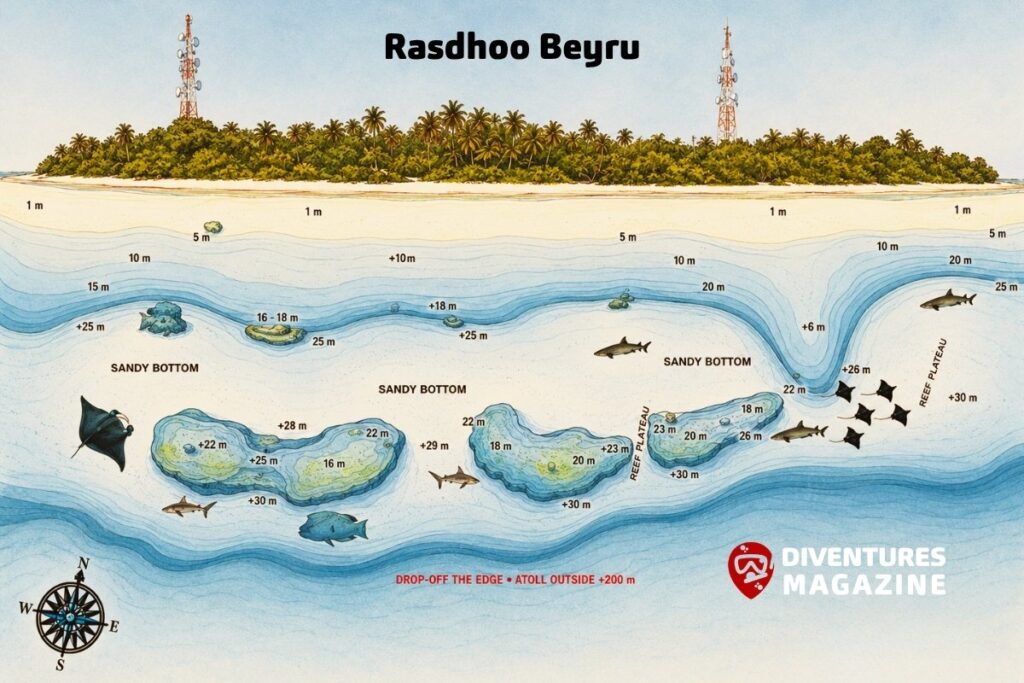
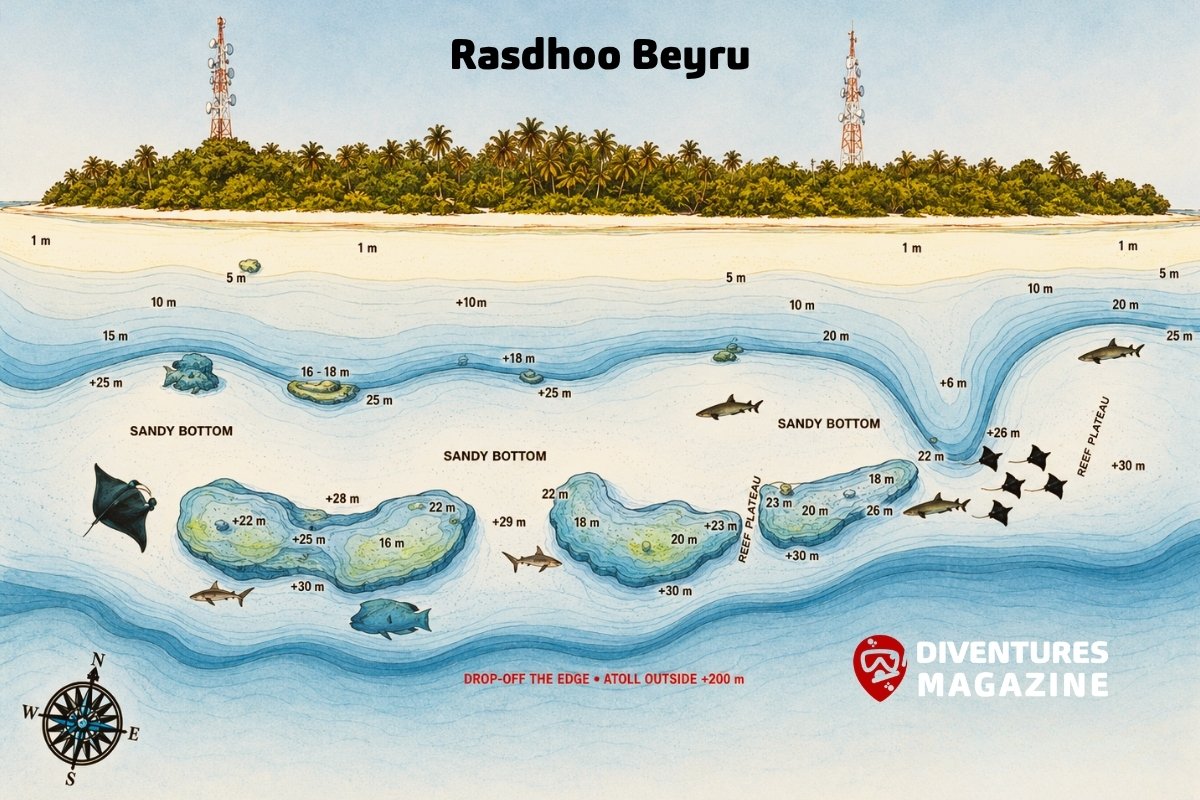
Rasdhoo Beyru is a wall-and-pinnacle dive site situated along the southern side of Rasdhoo Island in the Maldives’ Rasdhoo Atoll. Its underwater landscape consists of the island reef wall, three offshore coral pinnacles and a narrow sandy corridor separating the two formations.
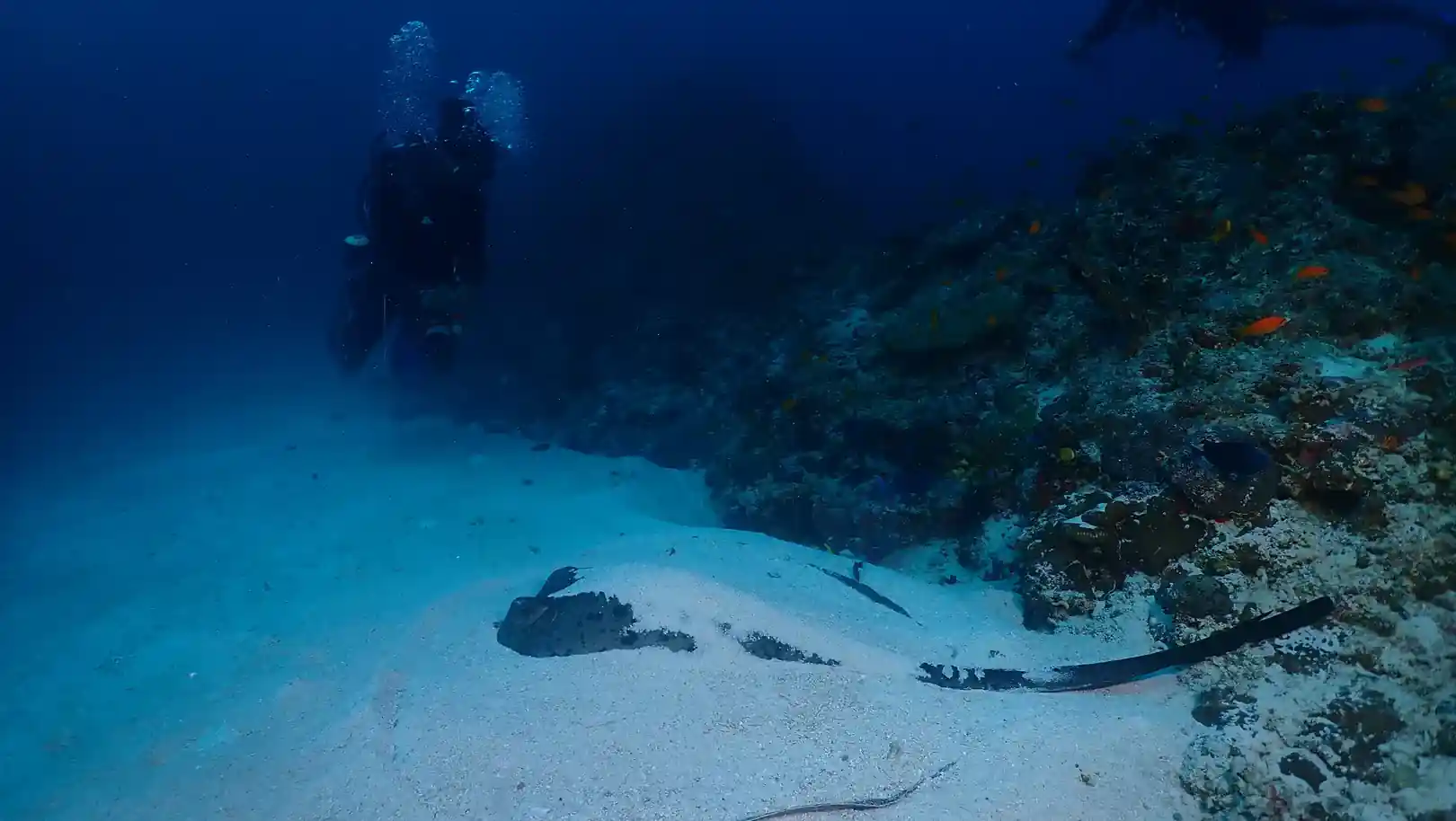
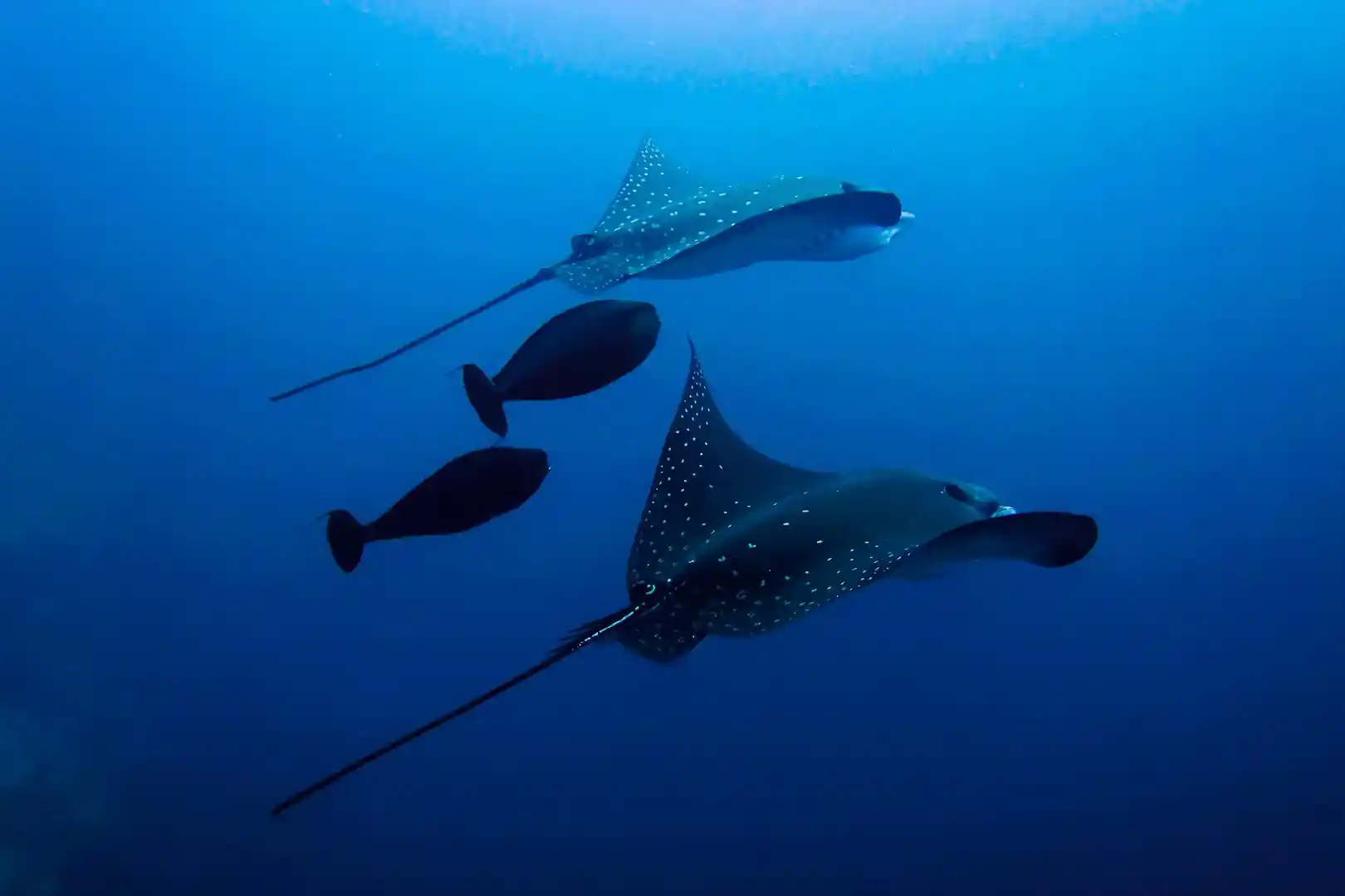
The tops of the pinnacles begin at approximately 18–20 metres, while the sand between the wall and thilas reaches approximately 25–30 metres. Stingrays and whitetip reef sharks may be found resting on the bottom, while grey reef sharks, eagle rays, jacks and trevally patrol the exposed outer edges.
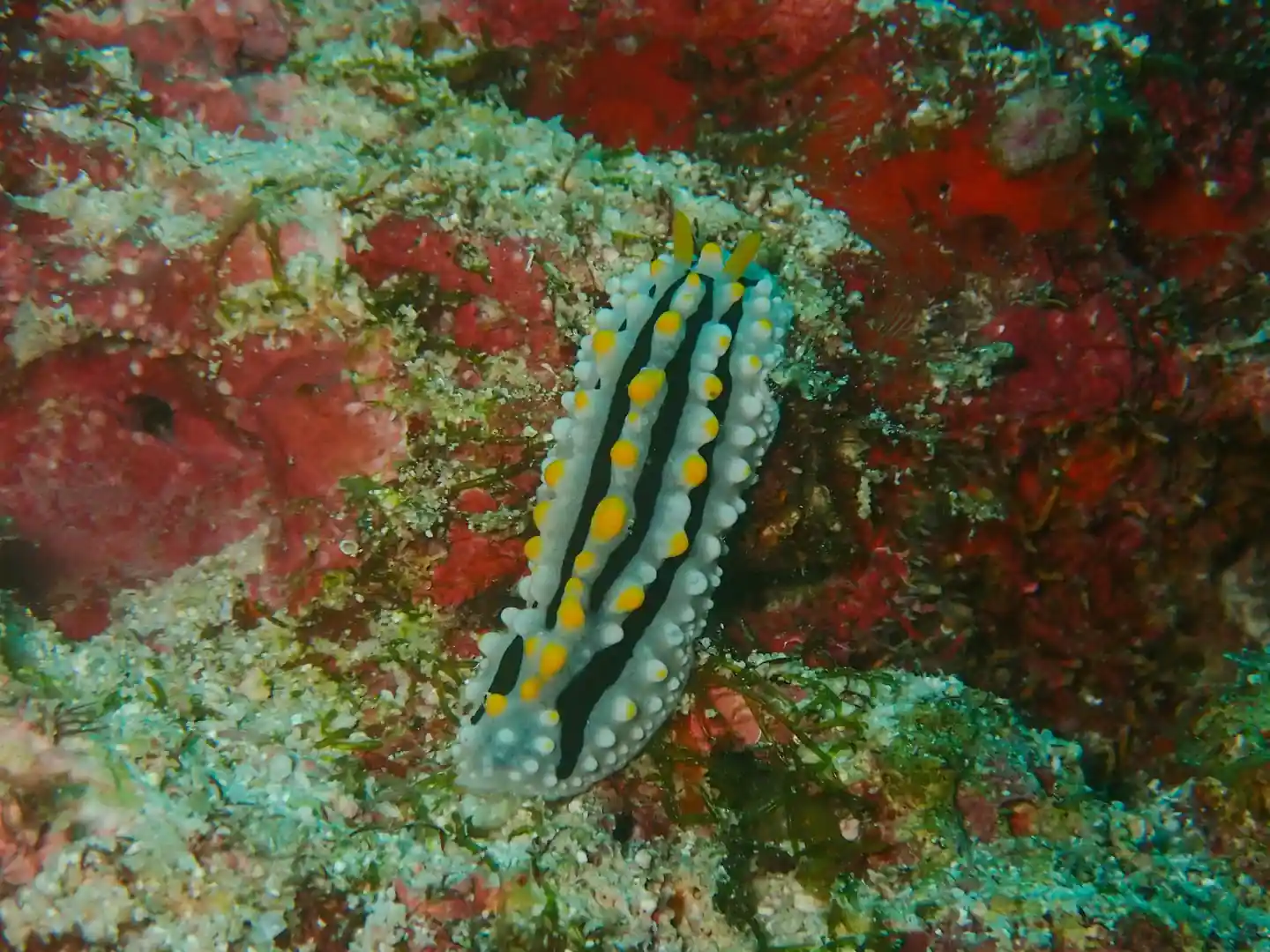
The reef also supports Napoleon wrasse, hawksbill turtles, sweetlips, snappers, groupers and moray eels. Smaller subjects, including blue ribbon eels, mantis shrimp, nudibranchs and octopuses, make the site equally appealing to macro photographers.
Rasdhoo Beyru can accommodate different experience levels when conditions are suitable. Beginners may remain beside the shallower island wall, while experienced divers can cross the sandy corridor and explore the deeper pinnacles. Medium to strong currents, open-ocean exposure and the steep outer drop-off mean that every dive should follow the briefing and route selected by a knowledgeable local guide.
Main Attractions
The wall and outer pinnacles create a distinctive underwater corridor that narrows to around 20 metres in some areas. The site combines reef scenery, open-ocean encounters and smaller subjects living around the coral formations.
Wall along the southern side of Rasdhoo Island
Three offshore coral pinnacles, known locally as thilas
Narrow sandy corridor between the wall and pinnacles
Steep outer-atoll drop-off
Resting stingrays on the sandy bottom
Whitetip and grey reef sharks
Eagle rays and occasional manta rays
Hunting jacks and trevally
Napoleon wrasse and hawksbill turtles
Excellent combination of pelagic and macro marine life
Marine Life
Grey reef sharks, whitetip reef sharks, Napoleon wrasse, stingrays, eagle rays, jacks, trevally, barracuda, sweetlips, snappers, groupers, hawksbill turtles and moray eels.
Smaller species may include blue ribbon eels, mantis shrimp, leaffish, nudibranchs, octopuses and other macro subjects. Manta rays and other large rays are possible, particularly when seasonal and current conditions are favourable, but sightings are not guaranteed.
Coral & Habitat
Rasdhoo Beyru lies along the outer southern reef of Rasdhoo Island. The island reef forms a wall on one side of the site, while three large coral pinnacles rise from the outer edge of the atoll several metres away.
Between the wall and pinnacles is a sandy corridor that may narrow to approximately 20 metres. The sandy bottom lies around 25–30 metres in places and is frequently used by stingrays and whitetip reef sharks as a resting area.
The pinnacles begin at approximately 18–20 metres and are colonised by hard and soft corals. The outer sides face the deep atoll drop-off, where current brings nutrients and attracts schooling fish, rays and reef sharks.
Suggested Route
Southern wall and pinnacle route
Enter up-current from the southern wall and descend onto the reef within the planned depth range.
Follow the wall while gradually approaching the sandy corridor between the island reef and the three offshore pinnacles. Search the sand at approximately 25–30 metres for resting stingrays and whitetip reef sharks.
When the current and diver experience allow, cross toward the pinnacles and follow their inner sides. Look into the blue around the outer edges for grey reef sharks, eagle rays, jacks, trevally and barracuda.
Continue drifting along the pinnacles before returning toward the island wall or beginning a controlled blue-water ascent. Finish with a safety stop while drifting beneath a delayed surface marker buoy.
Shallower route
Less experienced divers can remain beside the island wall instead of crossing toward the deeper pinnacles. The dive can be completed at a shallower depth while still offering reef fish, turtles, Napoleon wrasse, moray eels and views across the sandy corridor.
The actual entry point, direction and decision to cross toward the thilas must be determined by the local guide after assessing the current.
Photography Notes
Rasdhoo Beyru is suitable for both wide-angle and macro photography.
Wide-angle photographers can use the wall, pinnacles and narrow sandy corridor to create strong landscape compositions. Stingrays resting between the wall and thilas may provide attractive subjects, while the outer drop-off offers opportunities to photograph grey reef sharks, whitetip reef sharks, eagle rays, trevally and schooling fish.
Macro photographers should inspect the pinnacles and reef openings for blue ribbon eels, mantis shrimp, nudibranchs, moray eels, leaffish and octopuses.
Because the current can be strong, photographers should prepare their settings before entering exposed sections and avoid delaying the group while trying to remain stationary.
Best Season
January, February, March, April, November, December
Site Diagram