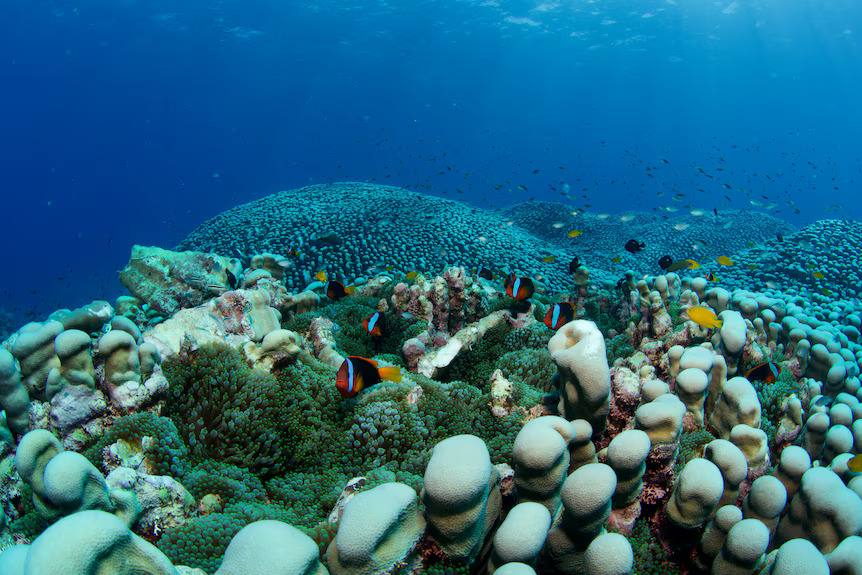
In a remarkable discovery that highlights both community involvement and the resilience of coral ecosystems, a mother-and-daughter team of citizen scientists has uncovered one of the largest coral colonies ever documented on Australia’s Great Barrier Reef.
The massive structure, believed to be the longest coral colony on the reef — and possibly the world — was found off the coast of Cairns in Far North Queensland by Sophie Kalkowski-Pope and her mother, Jan Pope, while participating in the Great Reef Census, a citizen science programme dedicated to mapping coral cover.
A Coral Giant the Size of a Football Field
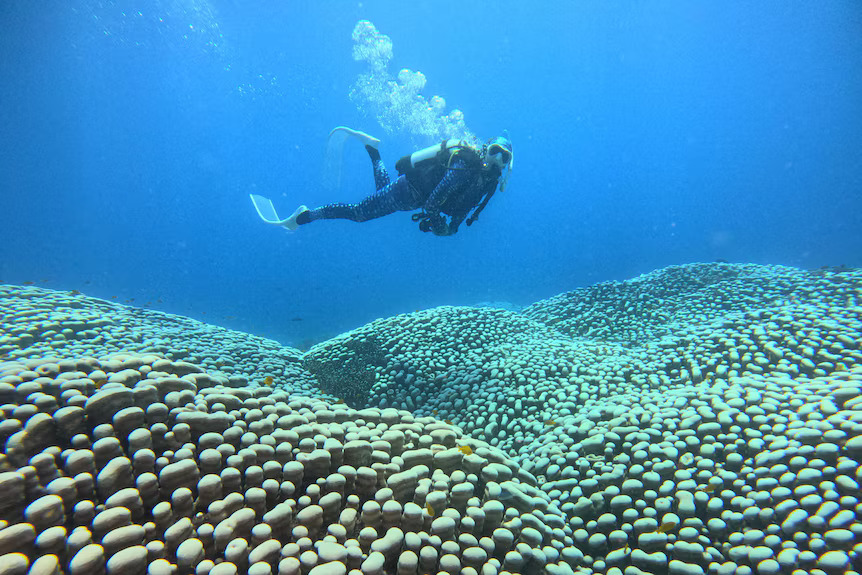
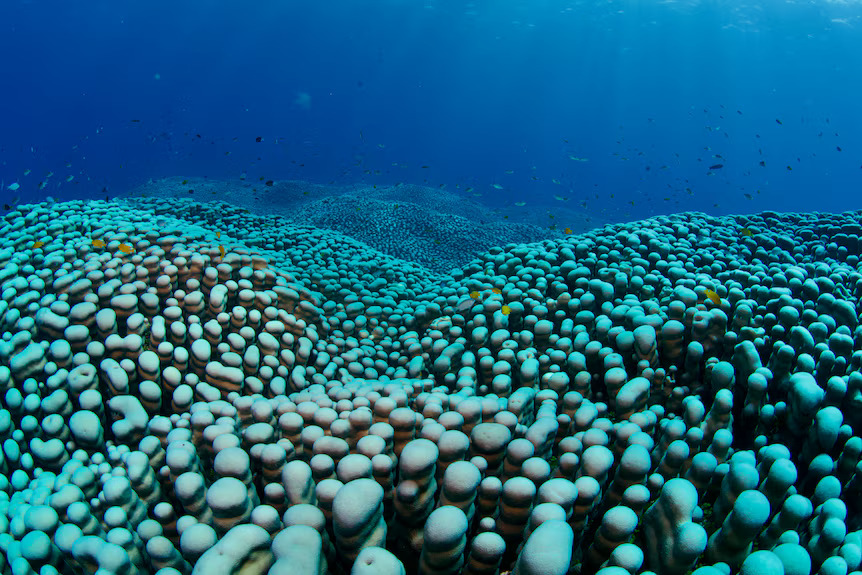
Preliminary surveys indicate the coral — identified as Pavona clavus — stretches about 111 metres in length and covers nearly 3,971 square metres, roughly the size of a soccer or football field. That far surpasses previous records for individual coral colonies of this species, which typically measure less than half that size.
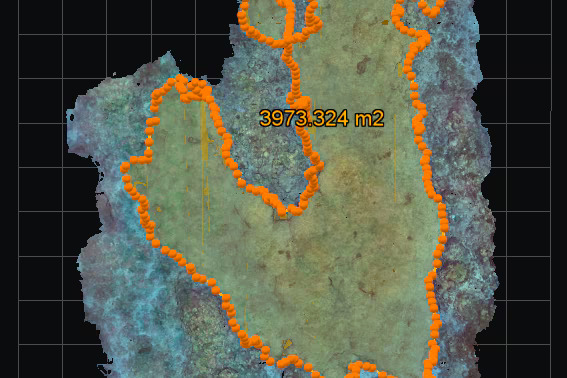
The discovery came during routine diving work late last year. After their initial sighting, Sophie returned with a team in January to conduct more thorough measurements, including drone mapping and detailed 3D modelling of the colony.
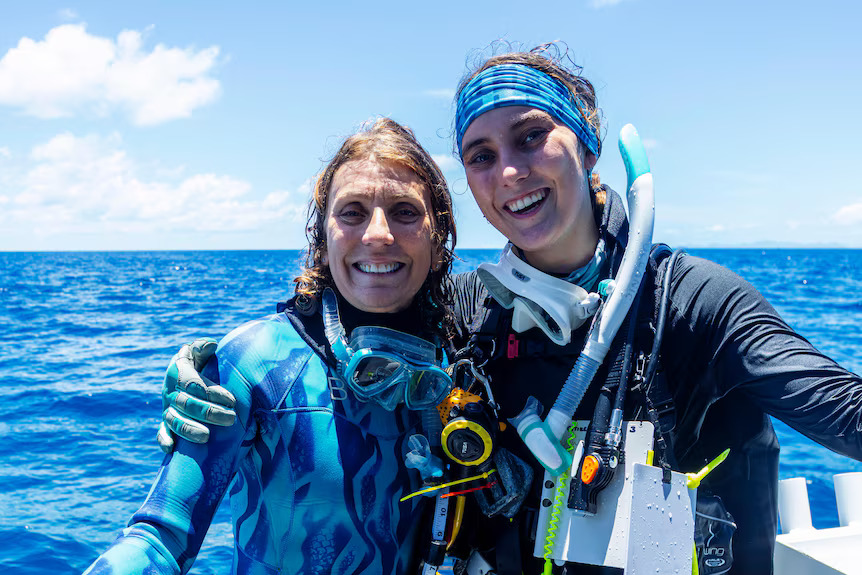
The Role of Citizen Science
The Great Reef Census initiative — led by the conservation group Citizens of the Reef — brings together recreational divers, local operators, scientists and volunteers to collect imagery and data from across the vast reef system. This community-driven approach allows conservationists to monitor large areas more effectively and identify ecological “hotspots” that may be crucial for reef survival.
Sophie Kalkowski-Pope, who serves as a marine operations coordinator for the group, described the underwater site as a “hotspot of life” with a rich and complex ecosystem surrounding the giant colony.

Scientific Significance
Marine scientists have welcomed the find, noting that giant coral colonies like this are exceptionally rare, especially in a reef system that has faced repeated threats from mass bleaching events, cyclones and outbreaks of crown-of-thorns starfish.
According to researchers familiar with coral ecology, the colony could be hundreds of years old, a testament to its persistence despite environmental pressures. Its size and age — once fully verified — may offer valuable insights into reef resilience and recovery.
Looking Ahead
While the exact location of the colony remains undisclosed for protection, the discovery has been shared with the Great Barrier Reef Marine Park Authority, which will monitor and manage the site going forward.
This discovery not only emphasises the ecological importance of the Great Barrier Reef — the world’s largest coral reef system — but also highlights how ordinary divers can contribute to significant scientific knowledge.
“Our curiosity and desire to contribute helped us make this discovery,” Jan Pope said, reflecting on the moment she first saw the vast coral structure beneath the surface.

Diventures Team is a multidisciplinary team of scuba professionals, editors, and digital creators, producing accurate and experience-driven coverage of diving, marine life, and ocean culture.