Most experienced divers think of dive travel as something you plan around seasons, permits, and boat schedules. Antarctica sits at the far end of that map. It is a place many divers talk about, but few reach. For most, it stays in the category of “maybe one day”.
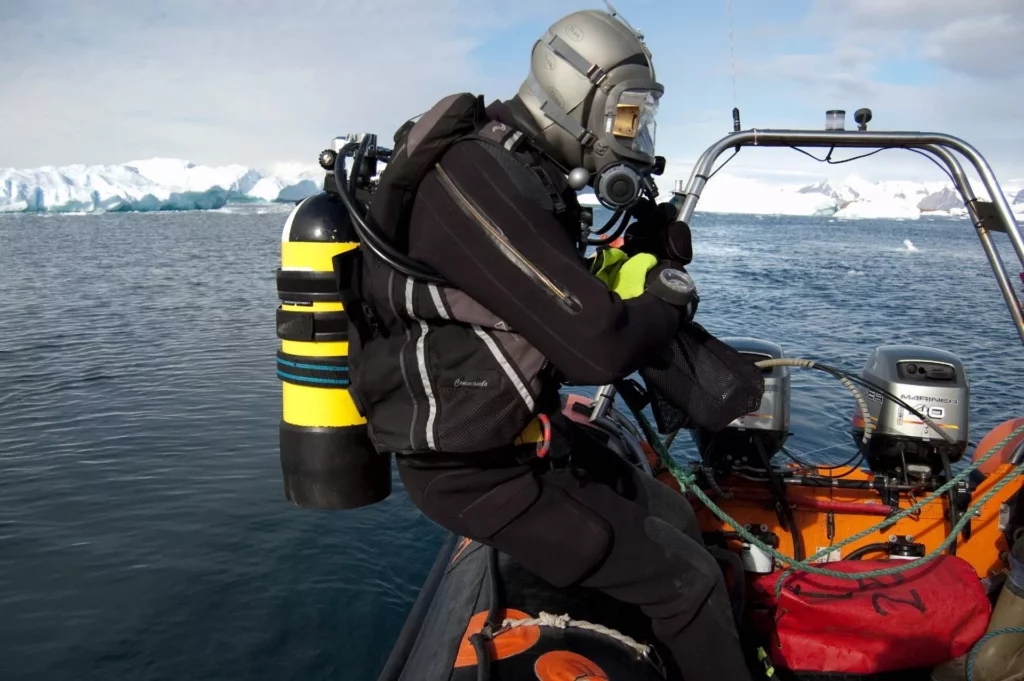
A new recruitment drive from the British Antarctic Survey (BAS) changes the shape of that idea. BAS is advertising roles at its research stations that include scuba diving. It is presenting the work as a major life change, with contracts that run for months, not weeks.
This is not a new “dive spot” in the normal way. It is not a resort opening, and it is not a liveaboard route. It is a door into Antarctic diving through field work. For divers who already have strong cold-water experience and an interest in long-term travel, that is a different kind of opportunity.
What BAS is offering
BAS says it is seeking a range of staff for its research stations, and that the roles include scuba diving. It also notes its long scientific history, including researchers who discovered the ozone hole in 1985 and work that helped build evidence for climate change in ancient ice.
BAS describes station life in direct terms. Rothera Research Station operations manager Mike Brian is quoted saying that the people working on stations are “ordinary people” doing ordinary jobs, but in an unusual place.
For divers, the key point is that scuba support is part of the station system, not a side activity. Diving is tied to research and operations, and you work inside a structured program.
Locations named in the announcement
The Divernet report lists year-round research at three named sites:
- Rothera, described as the largest station, with a focus on marine biology from Adelaide Island.
- King Edward Point, described as a marine and fisheries research station owned by the South Georgia & South Sandwich Islands government.
- Bird Island, on South Georgia, described as a centre for research into seal and bird biology.
For dive travel readers, this matters because “Antarctica” is not one simple destination. BAS is pointing to a network of field sites, with different logistics and different types of work.
Roles, timing, and contract length
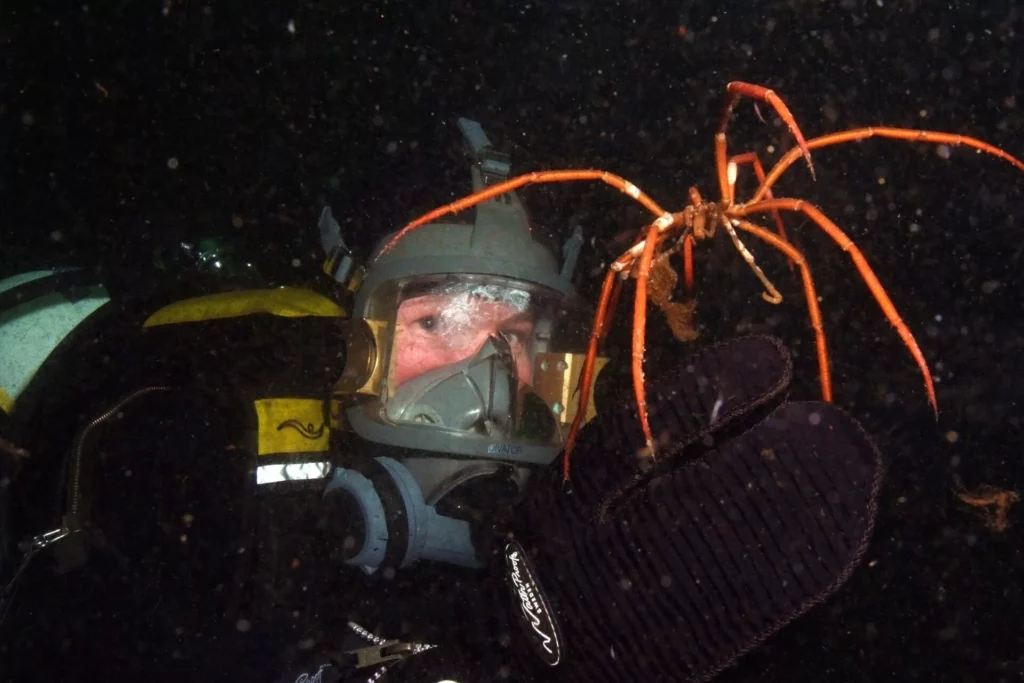
Divernet reports that the first listed jobs include diving officer and boating officer, available on the BAS website at the time of publication. It also states that BAS is offering flexible 6–18-month contracts, starting between May and September.
Divernet adds that more vacancies are expected over the next three months, including roles such as zoological field assistants and station leaders.
Pay and the practical meaning of “living costs”
Divernet reports that salaries start at more than £30,000, and that BAS highlights a benefits package and “ample opportunity to save your pay.” BAS is quoted saying there are “no living costs in Antarctica,” and that accommodation, food, travel, specialist clothing, tools and training are provided.
This is one of the most important travel points in the entire announcement. In most dive travel, your budget goes first to boats, hotels, and meals. Here, the structure is reversed: you relocate for work, and BAS states that core costs are covered.
Why this matters to experienced divers
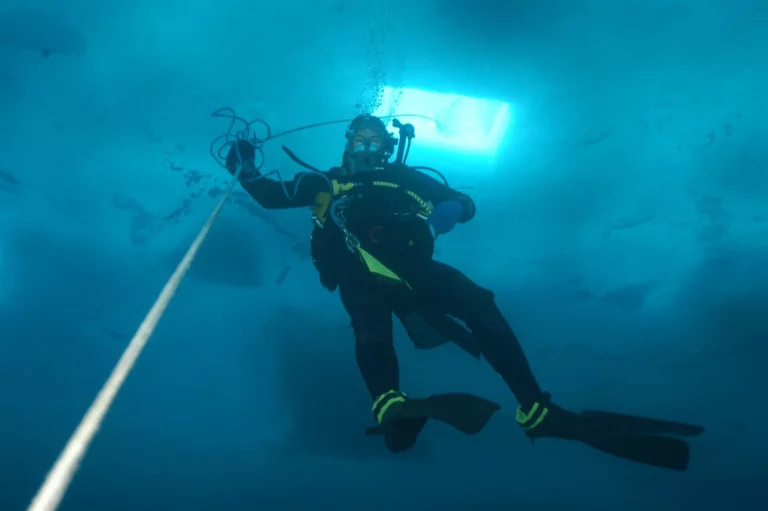
Experienced divers do not need to be told that polar diving is demanding. Cold water changes how you plan every step. Under-ice procedures add another layer. The dive itself is only one part of the safety system.
What stands out in this BAS recruitment story is that it frames diving as a tool inside a research program. That can appeal to divers who already have extensive time in challenging water and want something that is not centred on tourism.
Dive travel through long stays, not short trips
The contract window matters. A 6–18-month posting is not “a season away.” It is a full travel reset.
If you have done the usual route of week-long trips and two-week liveaboards, you already know the difference between visiting a place and living in it. Station-based work is closer to the second category. It can change how you build experience, because the environment becomes routine rather than novelty.
The diving is likely part of a wider job identity
Divernet is clear that BAS is recruiting “a variety of staff,” and that scuba diving is included within station roles.
That is a reminder to divers who are thinking about “new spots”: this is not only about being underwater. In remote research settings, diving usually connects to other responsibilities such as boating support, equipment preparation, and field coordination. Divernet’s mention of boating officer roles alongside diving officer roles supports that picture.
What to read between the lines, without adding fiction
When a respected science organisation recruits for diving roles, it usually signals two things:
- Diving has ongoing operational value, not occasional use.
- Safety and standard procedures are likely strict, because the environment is remote and help is limited.
Divernet does not list required certifications, dive depths, or specific equipment in the report, so it would be wrong to guess. What we can say is simpler: this is structured diving in a structured workplace, and it will suit divers who are comfortable working within procedures and reporting lines.
How to explore the opportunity responsibly
Divernet points readers to several ways to learn more:
- The initial roles are listed on the BAS website.
- BAS HQ in Cambridge is holding a biannual Open Day on Saturday, 21 March.
- BAS also has a podcast called Iceworld, referenced as a place to discover more about station life.
For experienced divers, the best approach is to treat this like any high-risk work setting: read the role description carefully, map it to your real experience, and be honest about the gap between cold-water recreational diving and operational diving.
Conclusion
Antarctica is often treated as a distant goal in dive travel. BAS has put something more concrete on the table: paid roles at research stations that include scuba diving, with contract starts between May and September and postings that can last up to 18 months.
This is not a new reef to add to your logbook. It is a new path to Antarctic water through work, science support, and long stays. For divers with deep experience who want a change that is serious and practical, this recruitment drive is worth reading closely.
Diventures Team is a multidisciplinary team of scuba professionals, editors, and digital creators, producing accurate and experience-driven coverage of diving, marine life, and ocean culture.