

Many experienced divers feel it before they can explain it. A site that once had steady patterns now feels less predictable. Encounters shift. A season that used to be reliable becomes uncertain. Some dives show more life in one corner of a reef and less in another. These changes are not only personal impressions. They match a larger reality: as ocean temperatures rise, marine ecosystems respond, and animal behavior changes with them.
For divers and underwater photographers, this is not only an environmental topic. It is a dive-planning topic. It affects where animals gather, how reefs look, how currents behave, and how safe and respectful our interactions must be.
Warming water changes the rules underwater
For a long time, many people described the ocean as stable compared with land. But warming is now affecting the sea from the surface down, and it can disrupt the systems that marine life depends on.
Temperature controls how animals use energy, when they breed, and where they can find food. When the water warms beyond what a species can tolerate, the animal must adapt, move, or struggle. Even small changes can shift daily behavior, not only long-term ranges.
For divers, this can look like “the ocean feels different.” In practice, it often means the map of life is being redrawn.
Coral reefs: bleaching is a clear signal
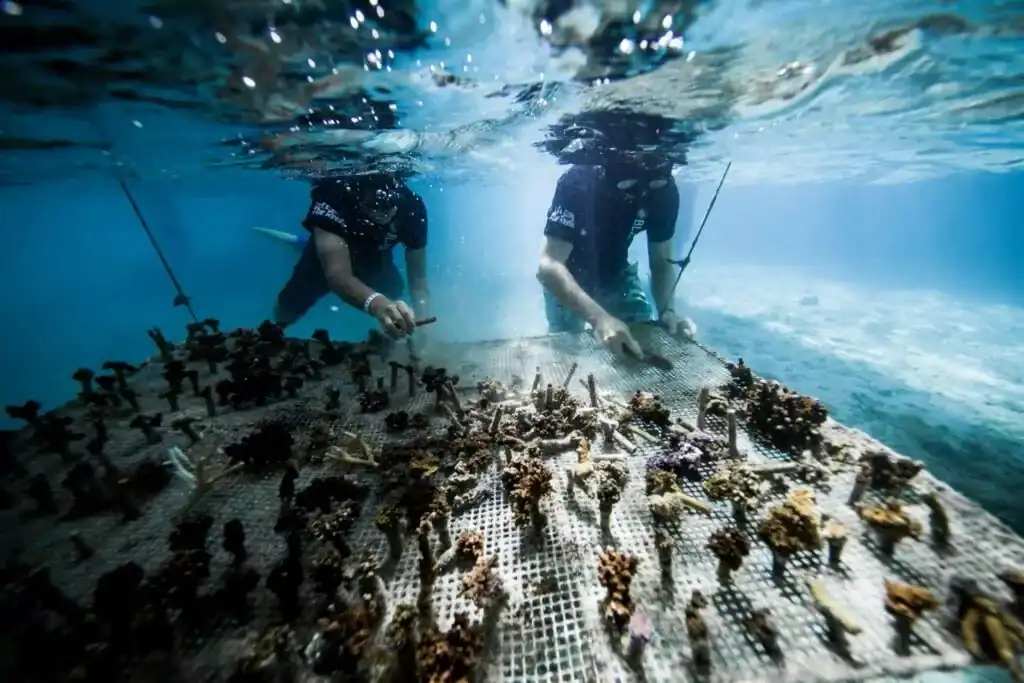
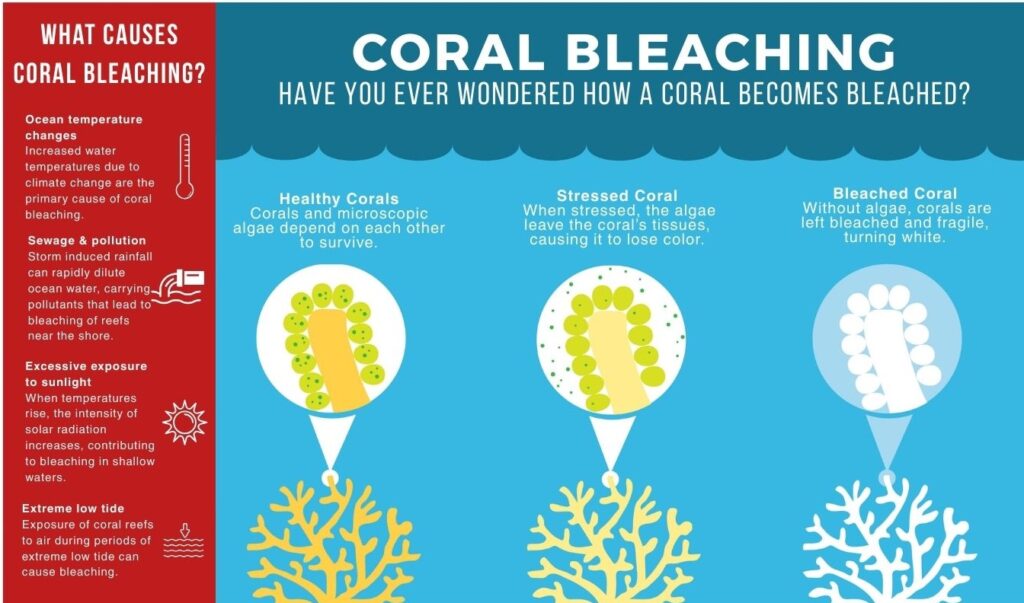
One of the most visible effects of warming is coral bleaching. When temperatures rise beyond what corals can tolerate, corals can expel the symbiotic algae living in their tissues. These algae give corals much of their color and a major source of energy. Without them, reefs can turn pale. If temperatures do not fall, corals become more vulnerable to disease and death.
For divers, bleaching changes more than color. It changes the structure of the dive. A reef that loses living cover can lose the shelter and feeding space that many fish and invertebrates rely on. Over time, a reef can shift from a complex habitat to a simpler one. That can reduce the variety of encounters and change the “sound” and movement of a site.
What experienced divers can watch for
- Large patches of pale coral that look newly whitened
- Fewer small reef fish using the same shelter points
- More signs of algae growth on surfaces that were once covered by living coral
Shifting fish behavior and new risk patterns
Fish behavior often changes as water temperatures rise. Some species move toward cooler depths. Others become more active and may appear in higher numbers in specific places, such as shaded areas, deeper ledges, and zones influenced by cooler water movement.
This can change what feels “normal” on a dive. A fish that was once common on a shallow reef may become rare there and appear deeper. A species you expect in one season may appear earlier, later, or not at all. For photographers, this can mean more time searching and less time composing.
Warming can also overlap with sensitive periods like breeding. Some species become more defensive when guarding nests. Triggerfish are a strong example. When they guard nests, they can be highly aggressive. If warmer water aligns with nesting periods, divers may see more territorial behavior during times when they are also spending longer in the water.
Practical safety notes for task-focused divers
- Keep more space around nesting areas and sandy patches near reefs
- Avoid hovering above a nest zone where a territorial fish may defend upward
- Do not chase a subject for a close image when behavior is already tense
Oxygen, currents, and a rewritten underwater map
Warming water holds less dissolved oxygen. That can influence where marine life prefers to spend time. In some areas, currents and upwellings create cooler corridors with higher oxygen and better food flow. These zones can attract fish activity and concentrate encounters.
In other areas, especially where water becomes warm and stagnant, life may thin out or move away. A dive site can still look intact, but the distribution of animals changes. This can affect dive strategy. You may need to plan around current edges, depth changes, or features that hold cooler water.
For experienced divers, the key point is simple: climate change can shift the location of “best life” within the same site. A known route around a reef may not be the most productive route anymore.
Sea turtles and the temperature trap
Sea turtles are sensitive to warming in a specific way. Nest temperature plays a major role in determining the sex of hatchlings. As sand temperatures rise, nests can produce a higher proportion of females. Over time, this imbalance may threaten population stability and reduce resilience in a region.
Underwater, divers may also notice that interactions feel more delicate. Many species are already under stress or adapting. That does not mean we should stop diving. It means we should tighten our standards. Keep distance. Avoid blocking an animal’s path. Do not crowd a turtle that is trying to feed or surface to breathe.
Marine mammals and migration disruption
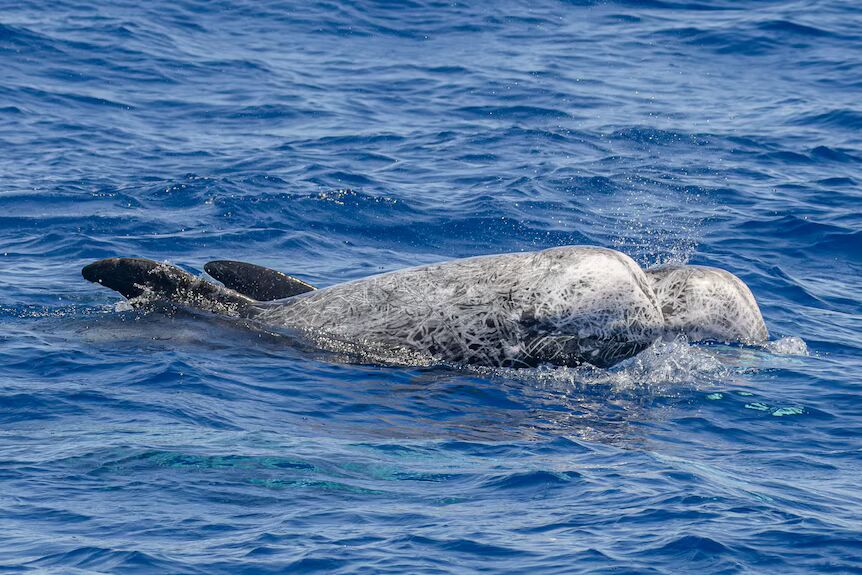
Marine mammals such as dolphins often adjust movement patterns in response to changes in temperature, prey distribution, and habitat suitability. When routes shift, the effects can spread outward. Food chains can change. Predator-prey relationships can shift. Areas that used to have regular sightings may become less reliable, while new areas may see different patterns.
For dive travel planning, this matters. A destination known for a certain seasonal encounter may not stay consistent. Operators may need to adapt routes. Divers may need to accept wider ranges of outcomes and focus on good practice over guaranteed sightings.
What divers notice first
Divers often detect changes before they appear in general news.
- Species mix changes: New species appear, familiar species become less common.
- Visibility shifts: Warmer water can increase plankton blooms or microalgae growth, which can reduce visibility.
- Dive effort changes: Warm conditions can still cause fatigue if hydration and planning are ignored, especially on repetitive dives.
- Behavior feels sharper: Some animals may seem more cautious, more defensive, or more focused on feeding windows.
These are field observations. They are not exact measurements. But they matter, because they affect how we plan, how we approach wildlife, and how we record what we see.
How to dive responsibly in a warming ocean
Experienced divers have influence. Not because we have the most dives, but because we set norms on boats and at sites.
Build better habits into every dive
- Use strong buoyancy control to avoid contact with coral
- Keep fin kicks controlled near fragile structures
- Give animals more space when conditions look stressful
- Avoid touching, feeding, or “positioning” wildlife for images
Contribute without turning the dive into a lecture
- Share observations with local guides and operators
- Log unusual sightings and changes in seasonal timing
- Support local reef protection rules, even when they reduce convenience
The ocean is changing. Divers cannot reverse that alone. But divers can reduce local pressure on reefs and animals, and they can help bring attention to what is happening underwater.
FAQ
How can I tell if a reef is bleaching?
Bleaching often looks like coral turning pale or white over large areas. It can appear as patches or as a wider change across a site. It is different from normal light reflection, because the color loss stays visible from several angles.
Why do fish move deeper when water warms?
Some species prefer a specific temperature range. If shallow water warms beyond that range, they may shift to cooler depths where their body stress is lower and oxygen conditions may be better.
Does warmer water always mean more marine life?
Not always. Some places may see more activity in specific zones, such as current edges or cooler corridors. Other places may see less life if conditions become warm, low in oxygen, or less stable.
What should divers do when animals look more defensive?
Increase distance and reduce speed. Do not corner the animal or block its route. If the behavior continues, move away calmly and choose a different subject.
How does climate change affect underwater photography planning?
It can change visibility, animal timing, and where life gathers. Plan for flexibility. Choose lenses that match the expected visibility, and allow time to find subjects without chasing them.
Conclusion
Ocean warming is not only a number in a report. It is a lived change underwater. Coral bleaching, shifting fish behavior, changes in oxygen and currents, and stress on species like sea turtles and marine mammals are reshaping what divers see and how animals act.
For experienced divers, the response should be practical and respectful. Plan with more flexibility. Treat wildlife with more space. Reduce contact risk on reefs. And keep paying attention. The ocean is changing, and divers are among the first witnesses.

Diventures Team is a multidisciplinary team of scuba professionals, editors, and digital creators, producing accurate and experience-driven coverage of diving, marine life, and ocean culture.