Shark dives can be calm, controlled, and predictable. They can also change fast. Your first priority is not the photo, the close pass, or the story. It is safety. Good shark diving is based on discipline, awareness, and clear team rules.
In 2026, shark tourism is also more common than it was in 2019. That brings more boats, more divers, and more pressure on a few sites. This makes clean behavior in the water even more important. Good control reduces risk for divers and reduces stress for animals. The goal is simple: observe without creating a problem.
Below are ten field rules that experienced divers use when sharks are expected.
1) Safety in numbers
Stay with the group
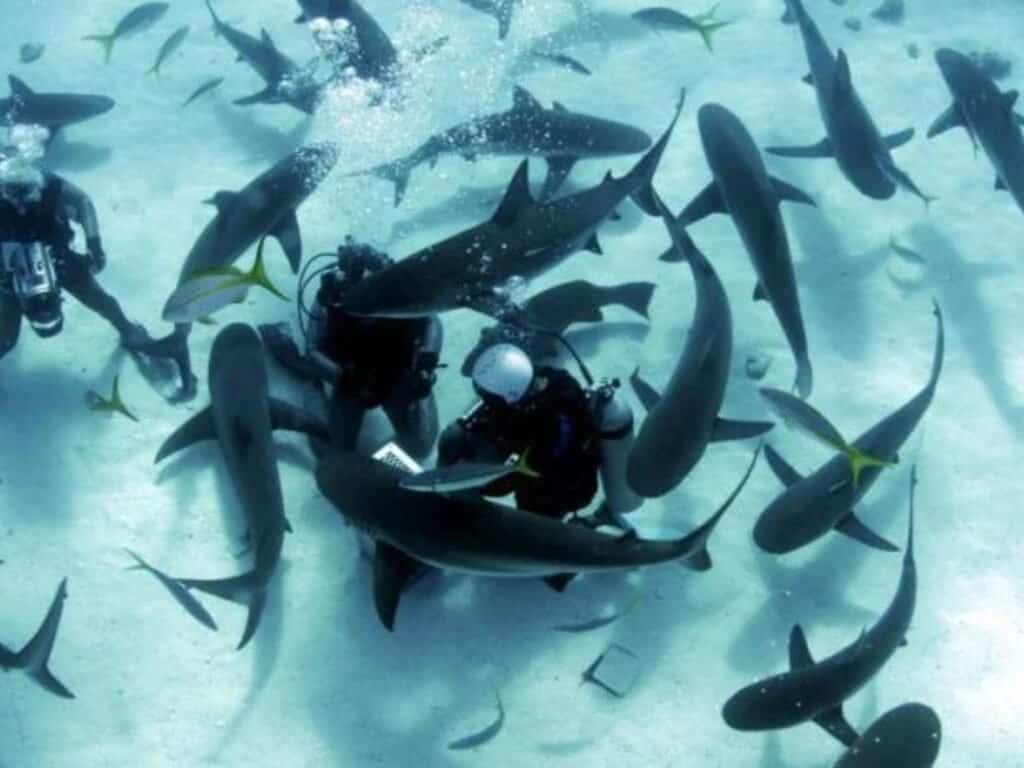
When diving with sharks, stay in a group. Sharks typically target a solitary individual. A tight team also makes it easier to manage exits, equipment issues, and changes in shark behavior.
What to do: keep a stable formation and avoid drifting away during the dive or safety stop.
2) Watch what you wear
Use the right gear, avoid high-contrast colors
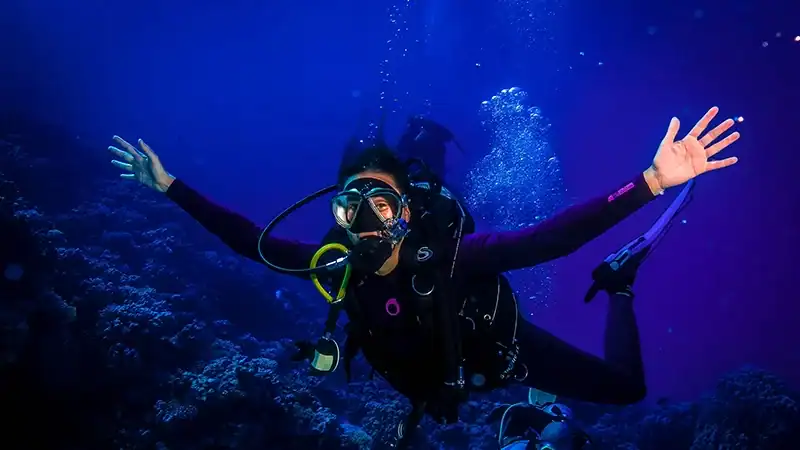
Wear a mask, fins, and snorkel, and preferably a wetsuit when diving with sharks. The mask lets you see sharks clearly. Fins and snorkel help you move calmly and efficiently. A wetsuit offers protection if a curious shark bumps into you.
Do not wear brightly colored diving equipment. Sharks are thought to be color-blind, but they are attracted to colors that contrast with the background. Yellow is thought to be particularly attractive and has been called the “yum yum” color.
What to do: choose neutral gear and keep your movements controlled.
3) Avoid mammals
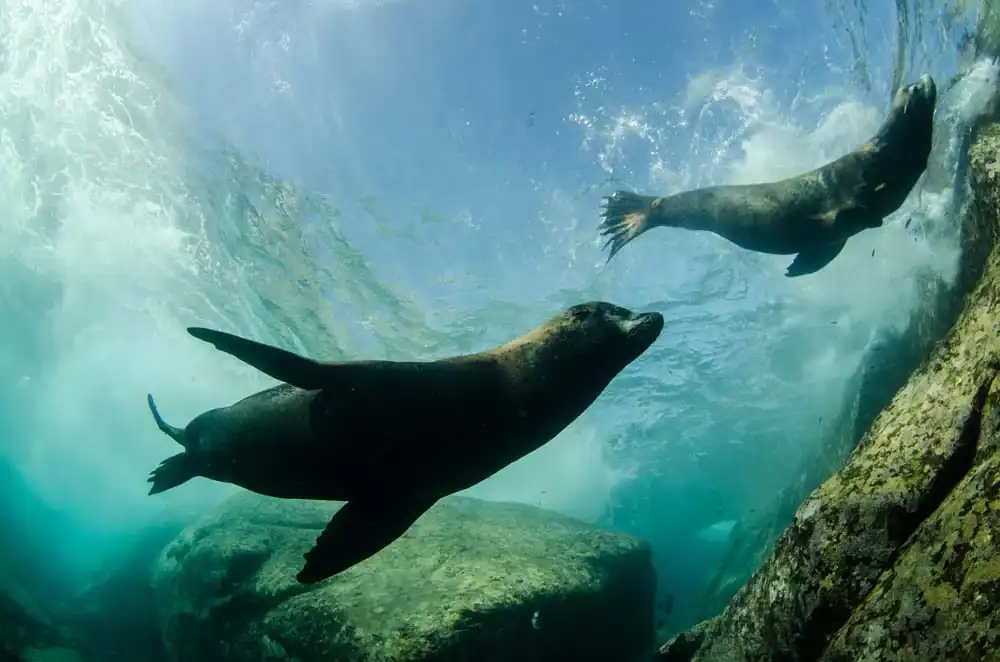
Do not snorkel near marine mammals where sharks may appear
Never free-dive or snorkel with marine mammals where there is a possibility of encountering sharks, as sharks may mistake you for their natural prey.
If sharks appear, do not thrash about. Dive calmly and leave the water.
What to do: if you see mammals and shark risk is possible, choose another activity or stay near the boat and follow local advice.
4) Not dusk or dawn
Avoid peak feeding windows
Avoid diving with sharks at dusk or dawn. Many sharks are crepuscular in their feeding patterns. This means they feed at dawn and dusk unless other opportunities arrive.
The author notes being harassed by grey reef sharks at dusk, when the same sharks were timid during the day.
What to do: plan shark dives for full daylight unless a professional operator has a specific plan and strict controls.
5) Know what you’re dealing with
Identify species and understand basic behavior
Be able to identify the species you see so you can estimate the likely level of risk.
Tiger sharks are known to have an unspecified diet. Many shark species feed on specific animals. For example, the tawny shark has teeth designed for crushing shells and is no more likely to try to eat a human than a goldfish. However, it can still bite defensively if threatened, and with far more effect than a goldfish.
Defensive biting is a natural response in many animals, including sharks. A shark may have no intention of eating you, and still bite if it feels threatened.
What to do: learn local species before the trip and listen closely to the dive briefing.
6) Stick to the reef
End the dive near structure, not in open water
Swim back to the reef wall at the end of a dive and wait to be collected there. Do not swim so far from the reef that you cannot quickly return. Do not allow yourself to be swept away from the reef into open water.
If you are swept off a reef into deep water, you may need to be collected quickly. When you are in the water, carry a fluorescent orange safety flag or tube.
What to do: manage your position early. Do not “finish the dive” in blue water unless that is the plan and the boat is ready.

7) Flash off
Manage cameras and strobes
Never follow or photograph a shark that appears to be swimming strangely.
If you find during a shark feed that sharks seem especially interested in your underwater flashgun, turn it off. The “whine” of the flashgun recharging seems to attract their reaction.
What to do: treat camera gear as part of your risk profile. If it changes shark behaviour, stop using it.
8) Abort if necessary
Leave early if behavior shifts
Do not hesitate to abort a dive if sharks are swimming rapidly or showing interest in you.
You might need a rapid exit. In areas where sharks are likely, never snorkel or dive in open water without a boat close at hand.
What to do: agree on abort signals before entry. If you feel unsure, act early, not late.
9) Keep a lookout
Do not relax after a large shark disappears
If a large shark such as a tiger shark appears and then vanishes, keep a lookout. It may return.
What to do: keep scanning. Maintain your group shape and avoid turning your back on open water for long periods.
10) Remember the risks
Excitement is not a plan
Do not allow the excitement of diving with sharks to cloud your common sense. Think through the risks.
In 2025, this also means thinking about how your behaviour affects the site. Calm divers create calmer situations. Good buoyancy, slow finning, and respectful distance reduce stress for animals and reduce accidents for people. It is safety and good practice at the same time.
What to do: stay aware, keep your position, and follow the briefing even when the dive feels easy.
Editorial note: This article was originally published in 2019 and has been updated and expanded for 2026.
Diventures Team is a multidisciplinary team of scuba professionals, editors, and digital creators, producing accurate and experience-driven coverage of diving, marine life, and ocean culture.