
Four Kings Raja Ampat
Unverified
The dive-site name Four Kings refers directly to its four prominent underwater pinnacles.
There is an interesting coincidence: Raja Ampat itself means “Four Kings” in Indonesian and refers historically to the four principal islands of Waigeo, Batanta, Salawati and Misool. The Four Kings dive site, however, takes its name from its four underwater rock formations.
Overview
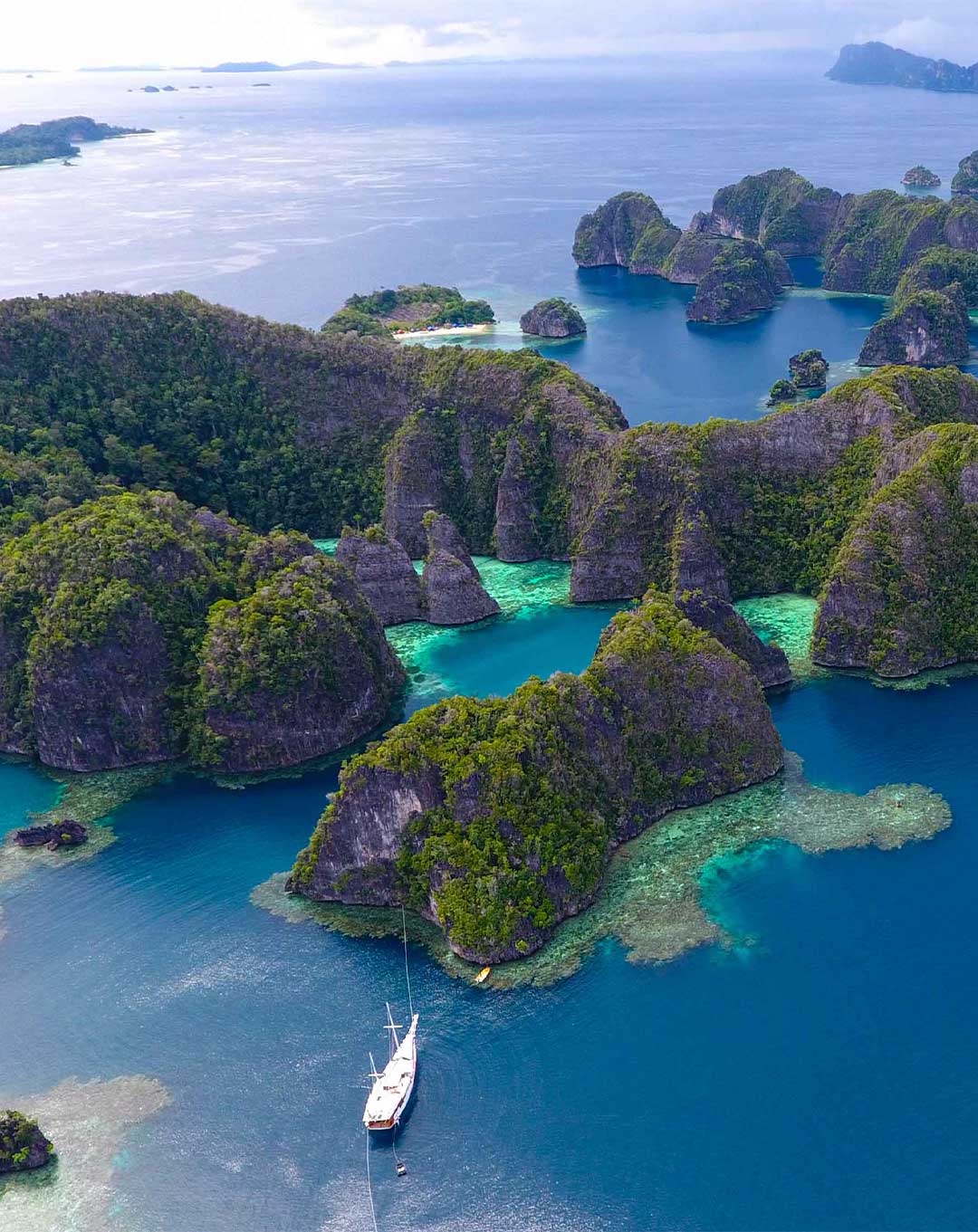
Four Kings is one of the signature pinnacle dives of southern Raja Ampat. Located in the Wayil area of Misool, the site consists of four submerged rocky formations rising dramatically from deep water and connected by underwater ridges.
The pinnacles begin at approximately 40 metres and rise to different depths, with the shallowest reaching only around 5–7 metres below the surface. Together they create an underwater landscape of steep rock faces, narrow gaps, coral-covered ridges and a deep canyon.
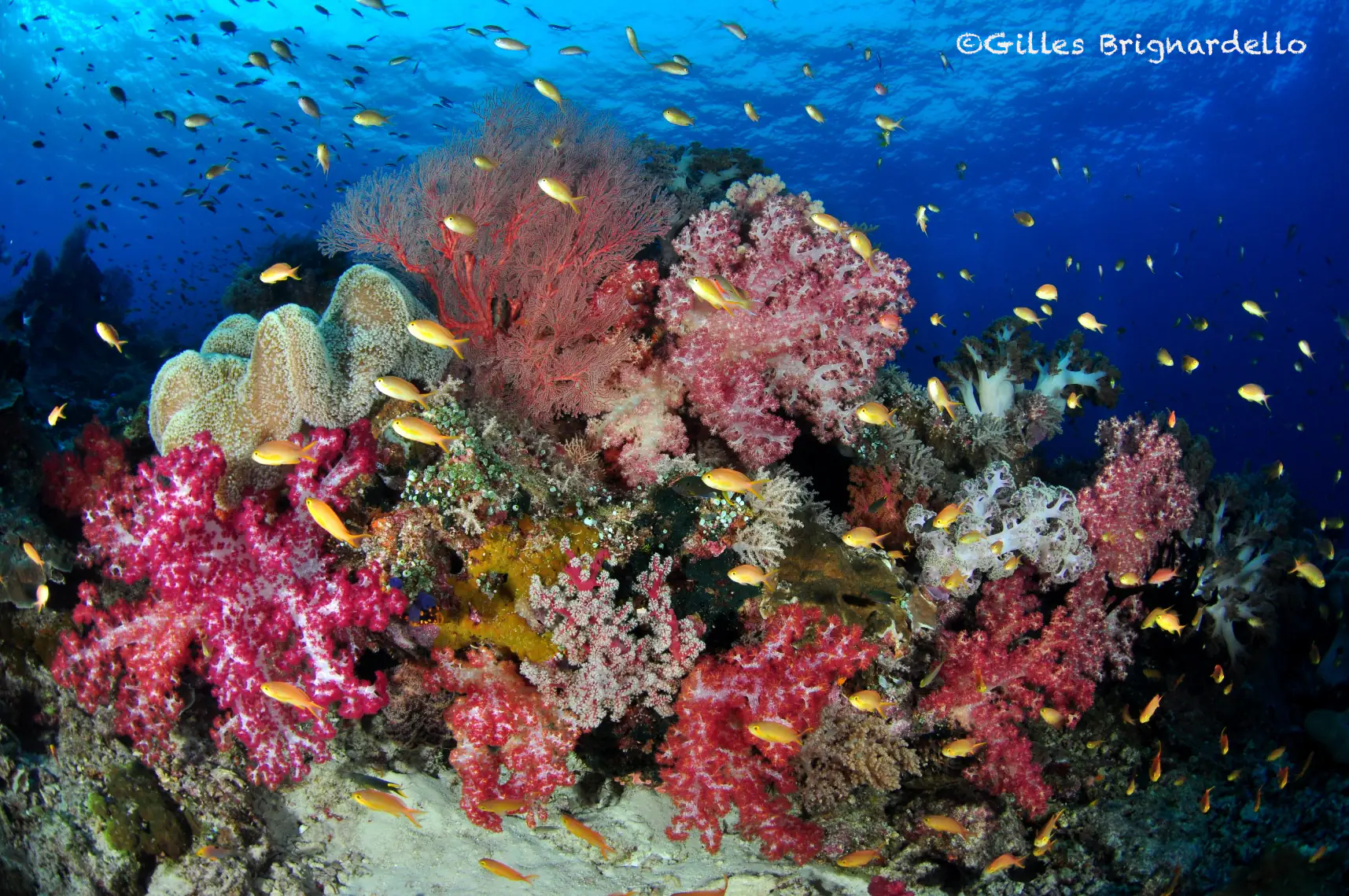
The site is renowned for its extraordinary coral growth.
Colourful soft corals, enormous gorgonian sea fans, sponges and hard corals cover the pinnacles, while anthias, chromis and red-tooth triggerfish gather above them in dense clouds.
Where current strikes the reef, divers may encounter large schools of barracuda, trevally and jacks together with Napoleon wrasse, bumphead parrotfish and reef sharks. At the same time, the gorgonian fans and coral slopes provide habitat for pygmy seahorses, nudibranchs and other macro subjects.
The current is also what makes Four Kings demanding. Flow can become strong around the pinnacles and through the gaps separating them, so the exact entry point, depth and route must be determined according to the tide and conditions.
For experienced divers, the combination of dramatic topography, extraordinary coral coverage and huge concentrations of fish makes Four Kings one of Misool's defining underwater landscapes.
Main Attractions
The four pinnacles form something resembling a small underwater mountain range, with virtually every exposed surface covered by soft corals, sea fans and other marine growth.
Four dramatic submerged pinnacles
Pinnacle tops from approximately 5–20 m
Deep connecting ridge
Canyon between the deeper pinnacles
Exceptional soft-coral coverage
Large gorgonian sea fans
Huge schools of barracuda
Trevally and schooling jacks
Reef sharks
Bumphead parrotfish
Pygmy seahorses
Excellent wide-angle and macro photography
Marine Life
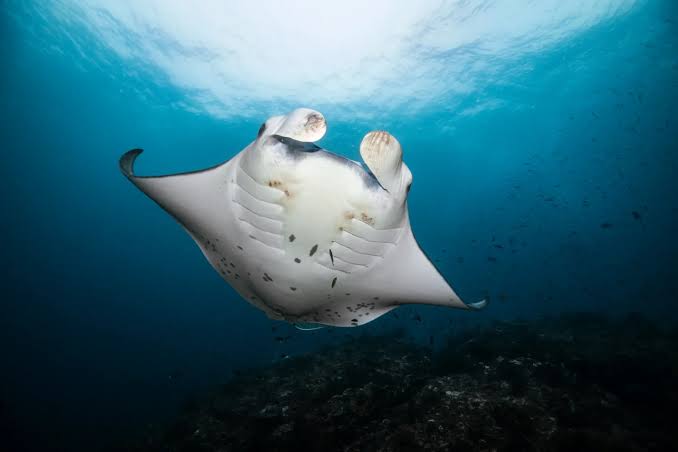
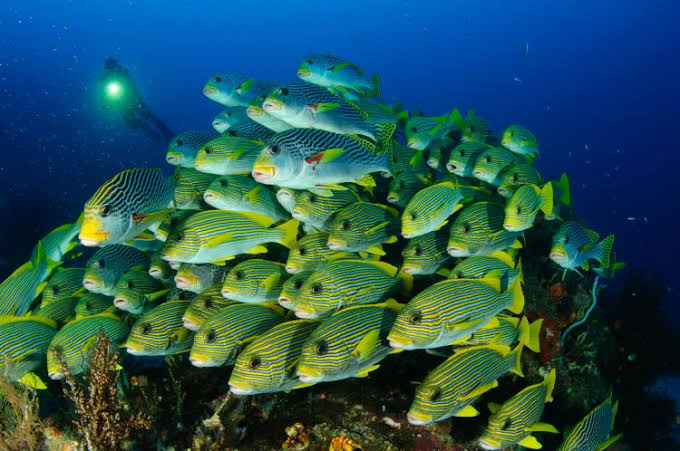
Large schools of barracuda, trevally, giant trevally, jacks, red-tooth triggerfish, yellow snapper, groupers, Napoleon wrasse and bumphead parrotfish may be encountered.
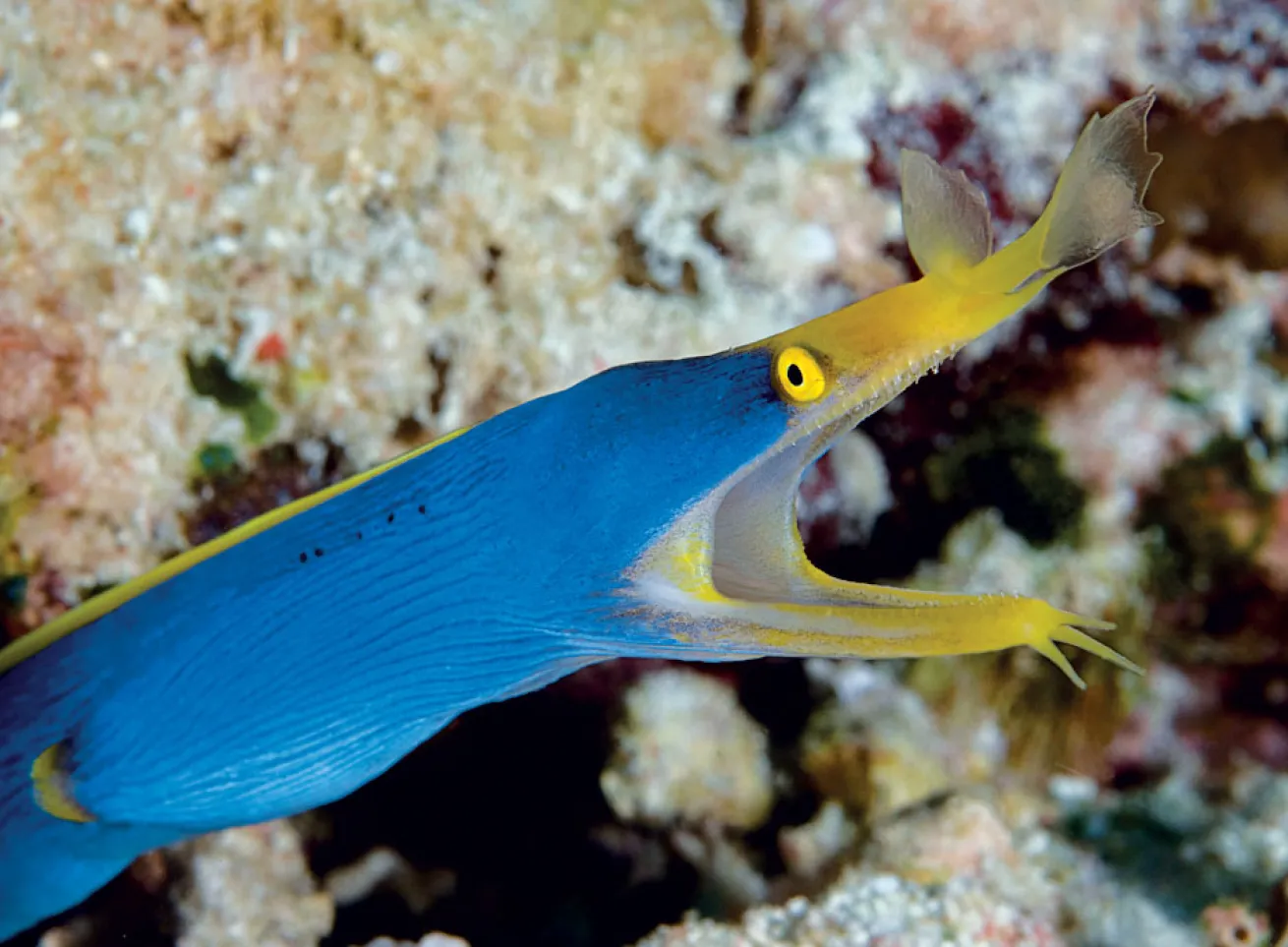
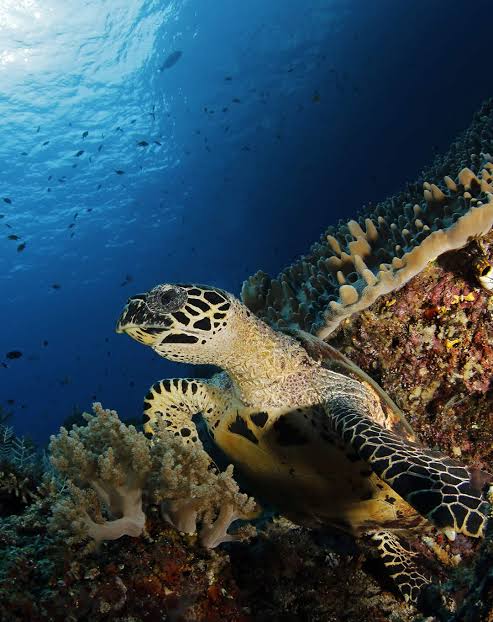
Whitetip and blacktip reef sharks also patrol the site, while macro subjects include pygmy seahorses, nudibranchs and smaller reef species living among the gorgonian fans and coral growth. Turtles are also reported around the pinnacles.
As with the other Dive Guide entries, larger animal encounters should be described as possible sightings rather than guaranteed encounters.
Coral & Habitat
Four Kings is a submerged pinnacle system rather than a conventional fringing reef.
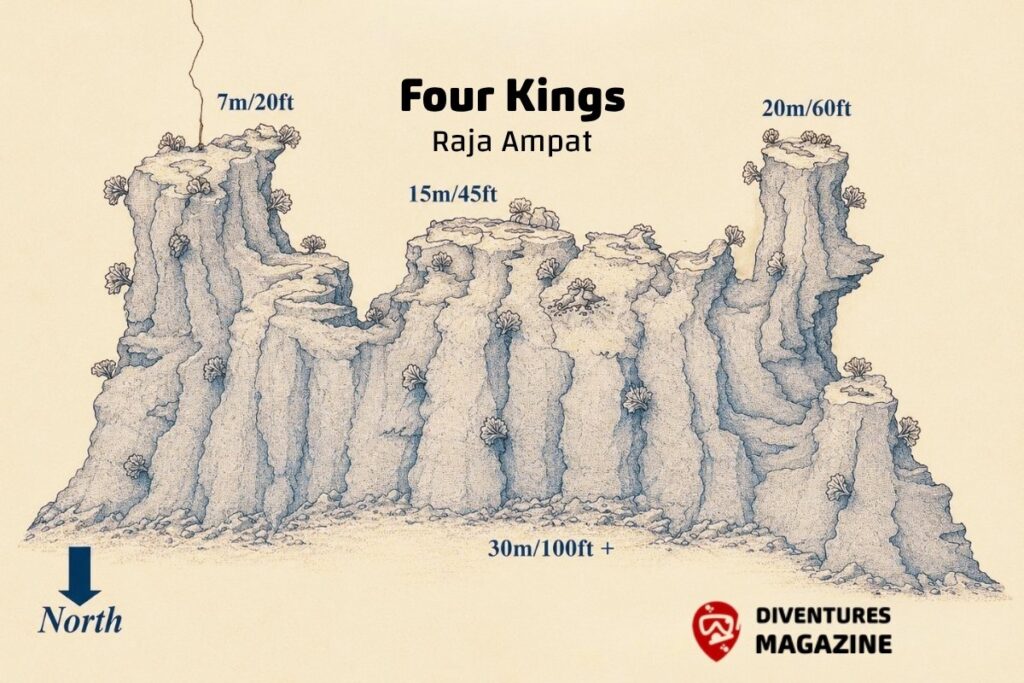
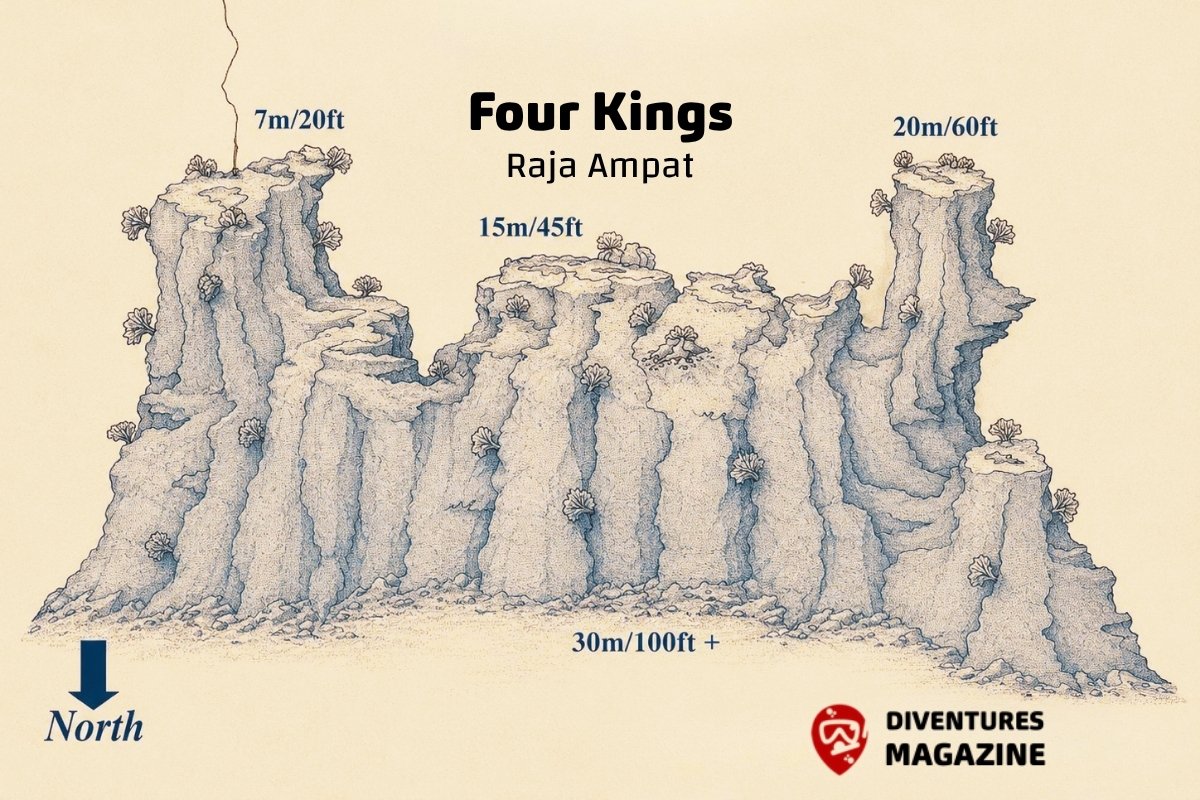
Four major rocky pinnacles rise from deep water, with their bases around 40 metres and their summits reaching different depths. The shallowest pinnacle reaches approximately 5–7 metres, while other summits lie around 16–30 metres. A submerged ridge connects much of the formation.
A narrow gap of roughly 15 metres separates the solitary shallow pinnacle from the other three formations, while a deeper canyon lies between two of the farther pinnacles.
The rock surfaces are heavily colonised by colourful soft corals, large gorgonian sea fans, sponges, crinoids and hard corals. Clouds of anthias and chromis hover above the reef while schooling fish gather where the current meets the pinnacles.
Suggested Route
Four-pinnacle ridge dive
The local guide should first assess current direction and select the appropriate drop point.
A commonly described route begins at the shallowest northeastern pinnacle, whose summit lies at approximately 7 metres. Descend along its side toward the connecting reef slope and ridge.
Follow the ridge at approximately 15 metres before descending toward 20–25 metres, where large sea fans provide habitat for pygmy seahorses.
Continue west toward another pinnacle whose summit lies around 16 metres, then move toward one of the deeper southern formations.
Gradually raise the dive profile and return toward the shallower ridge and coral garden, where bumphead parrotfish and schooling reef fish may be encountered.
Finish around the shallow pinnacle at approximately 5–7 metres, where the reef provides a spectacular setting for the safety stop.
I would not draw a fixed directional route on the Diventures map, because current direction and strength determine which pinnacle should be approached first.
Photography Notes
Four Kings is outstanding for both wide-angle and macro photography.
Wide-angle photographers can use the steep pinnacles, colourful soft corals, enormous sea fans and schooling fish to create layered compositions. Including a diver provides useful scale because the pinnacles can otherwise appear smaller in photographs than they actually are.
Areas exposed to current are particularly attractive when soft corals are fully extended and schools of barracuda or trevally gather around the reef.
Macro photographers should inspect large gorgonian fans for pygmy seahorses and search the coral-covered slopes for nudibranchs and smaller reef species.
Because currents can become strong, photographers should prepare camera settings before reaching exposed sections and avoid stopping in a way that separates them from the group.
Best Season
January, February, March, April, October, November, December
Underwater Map