
Jackson Reef
Unverified
Explore Jackson Reef in the Straits of Tiran, Egypt, famous for colourful coral walls, strong drift dives, seasonal hammerheads and the Lara wreck.
Overview
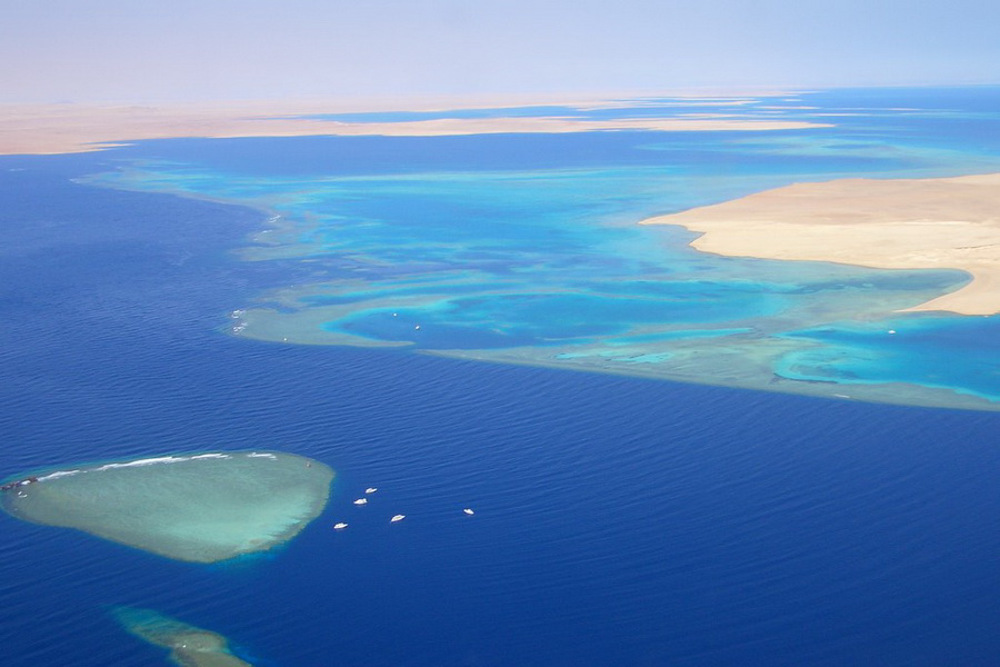
Jackson Reef is the northernmost of the four famous reefs in the Straits of Tiran, northeast of Sharm El Sheikh. Rising from a deep underwater ridge between the Sinai Peninsula and Tiran Island, it combines colourful coral gardens, steep walls, strong currents, seasonal shark encounters and the remains of the cargo ship Lara.
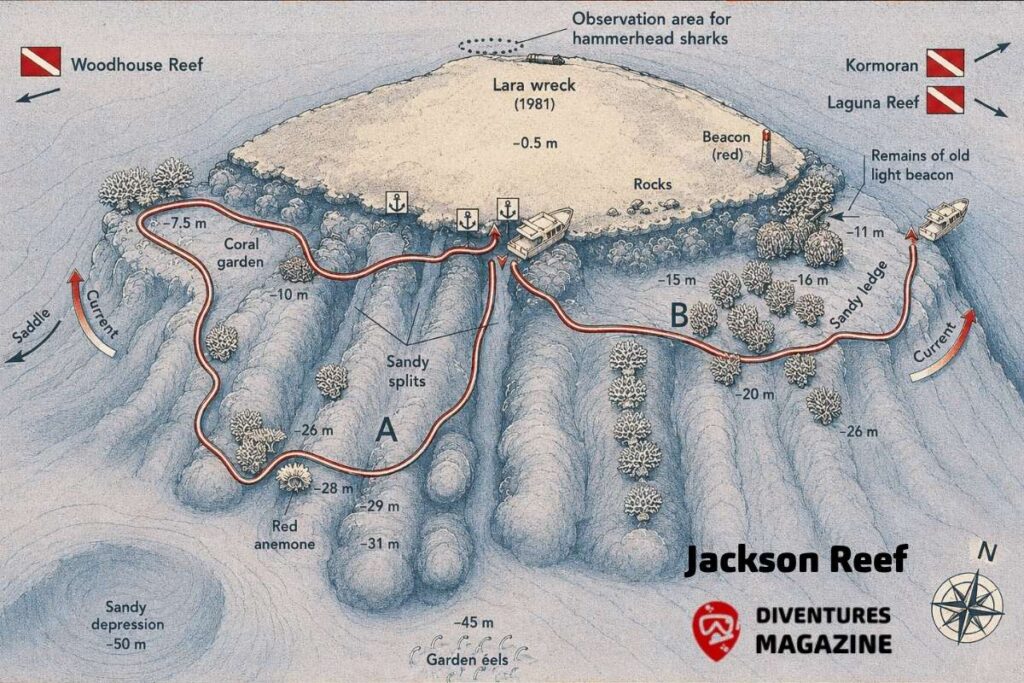
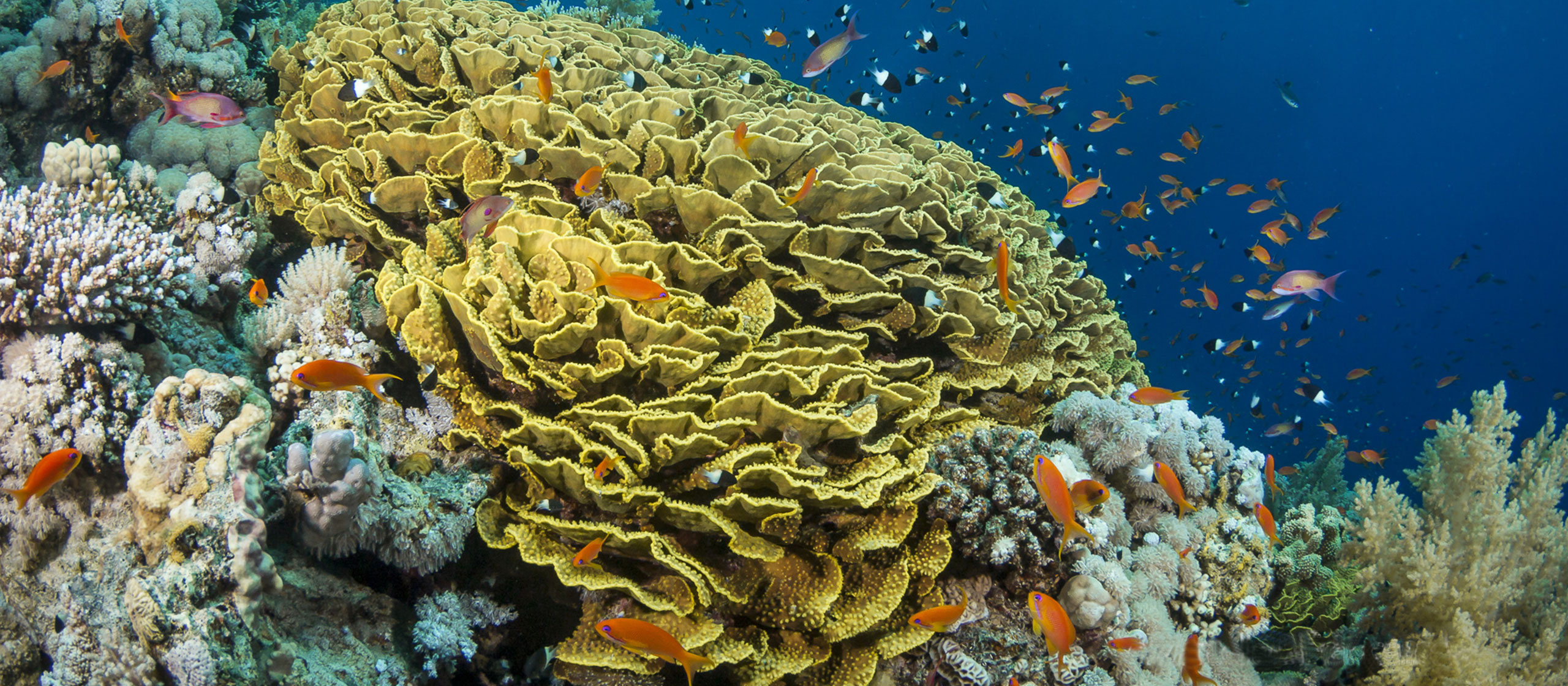
Most standard dives begin on the sheltered southern side, where moorings provide access to a wall descending toward deeper water. Heading west, divers encounter gorgonian fans and a distinctive red anemone at around 28 metres before reaching a spectacular shallow coral garden at the southwestern corner.
The eastern side offers a faster drift along a steep coral-covered wall. Strong currents moving through the Straits of Tiran bring nutrient-rich water across the reef, supporting dense hard and soft coral growth and attracting barracuda, tuna, trevally and other large fish.
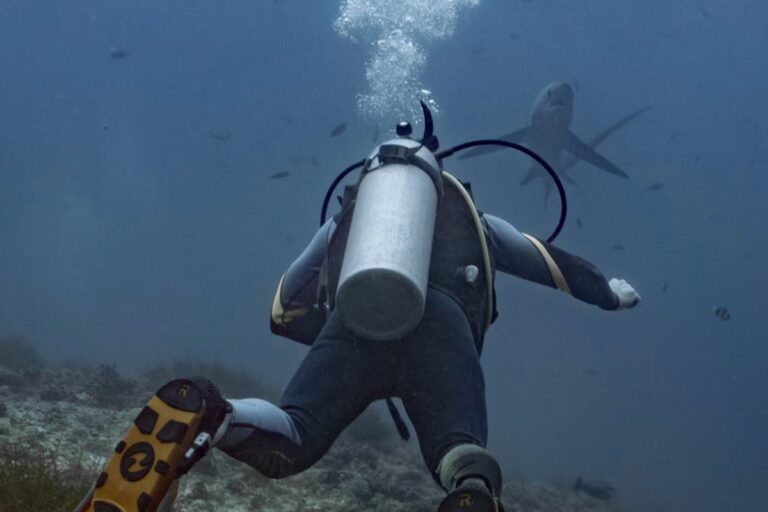
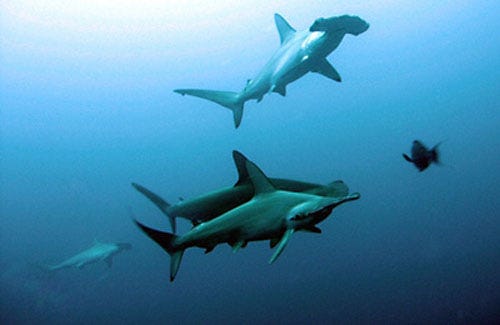
The exposed northern side offers a very different dive. During the warmer summer months, particularly July through September, scalloped hammerheads may be encountered in the open blue beyond the reef. This dive requires suitable weather, current and surface conditions and is intended for experienced divers.
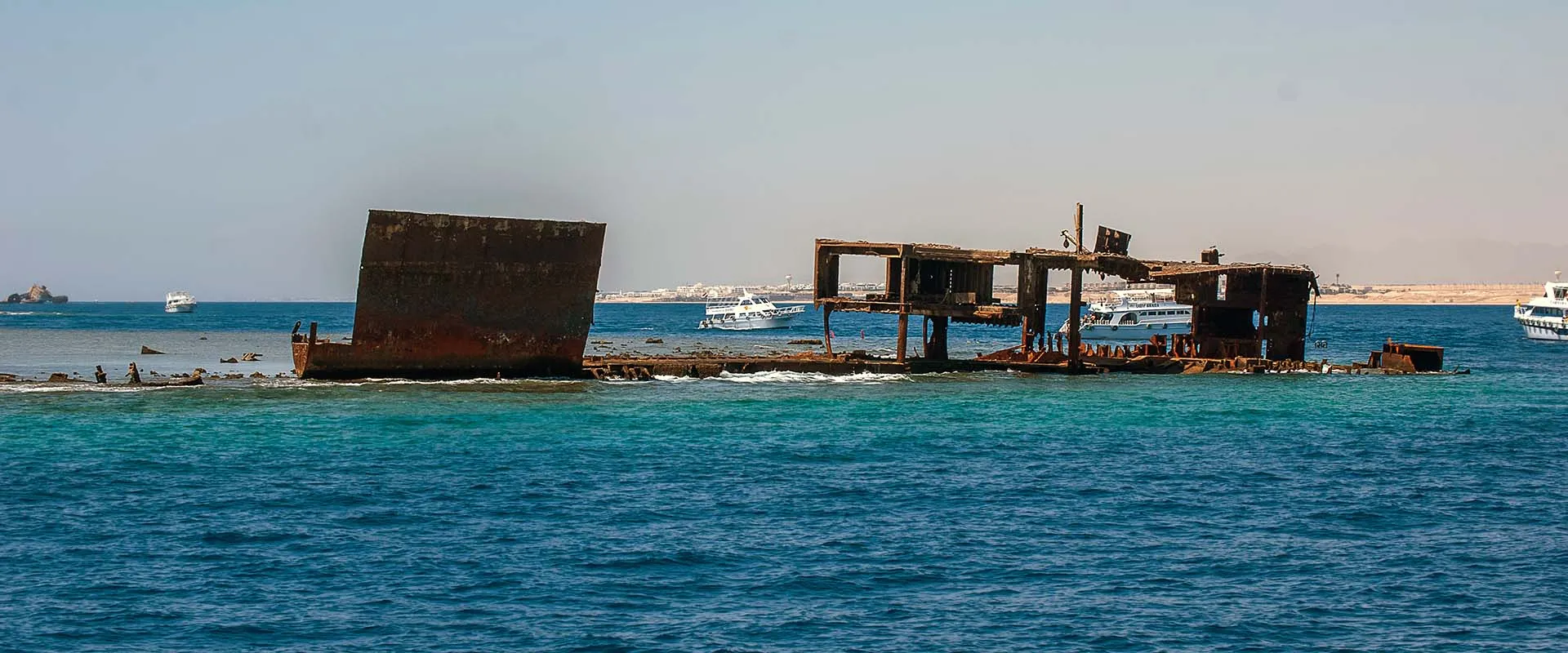
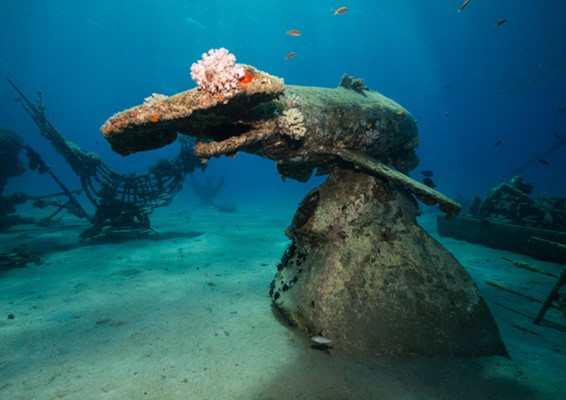
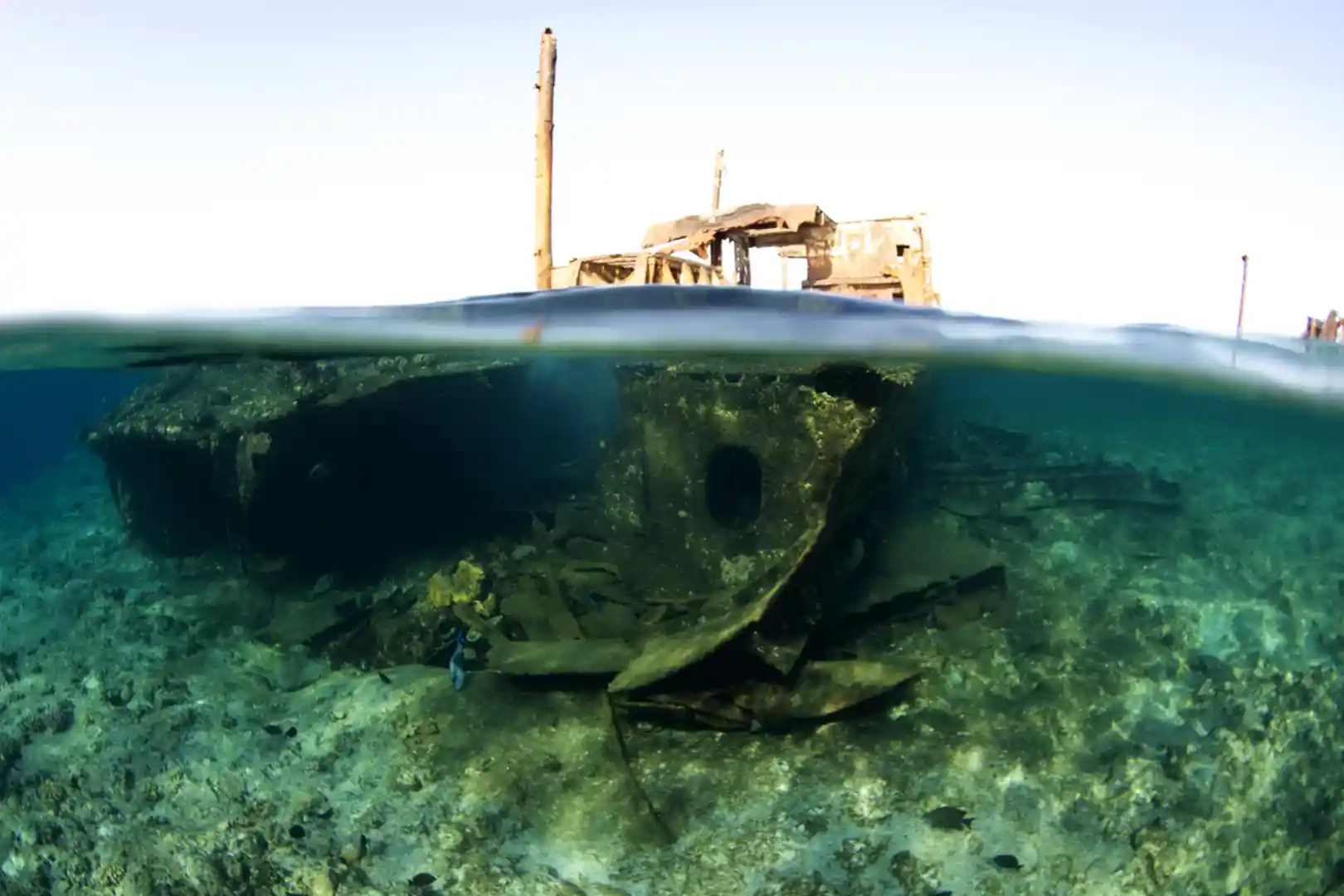
The northern edge is also marked by the remains of the Cypriot cargo vessel Lara. Much of the ship was salvaged after grounding on Jackson Reef, leaving a skeletal structure and scattered wreckage that has become one of the site's visual landmarks.
With its combination of shallow coral gardens, current-swept walls and open-water shark diving, Jackson Reef offers very different experiences depending on the route and conditions, making it one of the signature dive sites of Sharm El Sheikh and the Straits of Tiran.
Main Attractions
The southwest coral garden is particularly colourful, while the exposed northern side is the area most associated with seasonal hammerhead sightings.
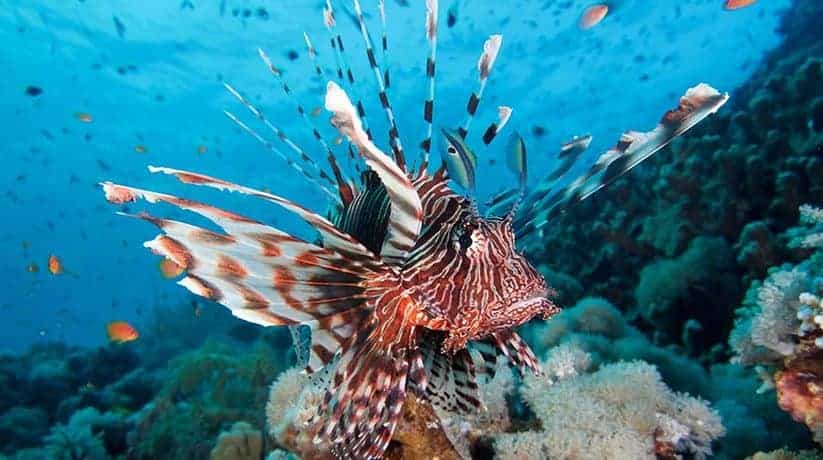
Spectacular hard- and soft-coral gardens
Steep eastern and western walls
Fast drift diving
Seasonal scalloped hammerhead encounters
Large gorgonian sea fans
Famous red anemone around 28 m
Turtles
Barracuda, tuna and trevally
Remains of the Lara cargo ship
Excellent wide-angle photography
Rich marine life supported by the strong Tiran currents
Marine Life
Turtles, giant moray eels, Napoleon wrasse, groupers, barracuda, tuna, trevally, anthias, butterflyfish, angelfish, surgeonfish and numerous other reef species.
Possible larger encounters include scalloped hammerheads, grey reef sharks, whitetip reef sharks, eagle rays and dolphins.
Hammerheads are particularly associated with the northern side during summer, but all shark and pelagic encounters should be presented as possible sightings rather than guaranteed encounters.
Coral & Habitat
Jackson Reef is a large offshore coral formation rising from a submerged ridge in the Straits of Tiran.
Its southern side is relatively sheltered and contains colourful coral gardens, sandy areas and shallow reef platforms. The southwestern corner supports extensive hard corals, soft corals and fire corals, while deeper sections feature large gorgonian fans.
The eastern side develops into a steep wall with prolific coral growth and exposed current. The northern side faces deeper open water and is much more exposed to waves and current.
Strong water movement through the Straits of Tiran carries plankton and nutrients across the reef, helping support dense coral growth and attracting large schools of fish and pelagic predators.
Wreck Information
The remains of the Lara, a Cypriot cargo vessel built in Germany in 1956, lie on the northern side of Jackson Reef.
Published sources disagree on the exact year of the grounding, with 1981 and 1982 both widely reported. Several long-established Sharm diving sources give 4 December 1981, so this is the date I would use cautiously in the Diventures listing while noting that records differ.
Much of the vessel was later salvaged, leaving a skeletal structure and scattered debris. Parts of the wreck remain visible above or very close to the reef surface, while additional wreckage has fallen down the northern and northwestern slope.
The Lara should therefore be presented primarily as a historic landmark of Jackson Reef, rather than as the site's principal recreational wreck dive.
Suggested Route
Southern coral garden
Begin from the mooring area on the sheltered southern side.
Descend beside the reef and head west with the reef on the right. Follow the wall toward the southwestern corner, passing gorgonian fans and the well-known red anemone at approximately 28 metres.
Gradually ascend toward the shallow coral garden at around 6–15 metres.
Explore the hard and soft coral formations while looking for turtles, reef fish and moray eels.
Depending on current strength, either return toward the mooring area or finish with a controlled drifting ascent.
Eastern Jackson drift
Enter near the southern or southeastern side after the guide checks the current.
Keep the reef on the left and allow the current to carry the group northward along the eastern wall.
The wall is densely covered with corals and can offer encounters with tuna, barracuda, trevally and turtles.
Continue only as far as surface and current conditions allow. Finish away from the reef using a delayed surface marker buoy for boat pickup.
Northern hammerhead dive
This route is for experienced divers only and should be attempted when weather, current and boat-pickup conditions are appropriate.
Enter near the northern side and descend toward the reef before moving carefully into the blue.
Scalloped hammerheads may be encountered between approximately 10 and 30 metres during summer.
Maintain visual contact with the group and avoid swimming too far from the reef. The dive normally ends as an open-water drift with DSMB deployment and boat pickup.
As with the other Diventures maps, I would not draw a fixed dive route for Jackson because the current determines the actual entry point and direction.
Photography Notes
Jackson Reef is excellent for wide-angle underwater photography.
The southern and southwestern coral gardens provide colourful compositions using hard corals, soft corals, sea fans, turtles and divers against the blue.
A distinctive red anemone at approximately 28 metres is a recognised photographic subject, while large gorgonian fans provide opportunities for close-focus wide-angle images.
The eastern wall is well suited to images of schooling fish and divers drifting past coral-covered vertical scenery.
During summer, experienced photographers may enter the exposed northern side hoping to photograph scalloped hammerheads in the blue. Because this can involve strong currents and open-water conditions, photographers should prepare their settings before entering and avoid following sharks away from the group or reef.
History
Jackson Reef is one of four reefs in the Straits of Tiran traditionally said to have been named after 19th-century British cartographers involved in charting the area. The neighbouring reefs carry the names Woodhouse, Thomas and Gordon.
Its location at the entrance to the Gulf of Aqaba places it beside historically important shipping passages through the Straits of Tiran. The wreck of the Lara on the northern reef provides a visible reminder of the difficult navigation created by shallow reefs, deep channels, currents and changing sea conditions.
Best Season
Year-round diving
Site Diagram