
Daedalus (Abo Kizan) Reef
Unverified
The European name Daedalus comes from Greek mythology, referring to the legendary inventor who built the Labyrinth of Crete; locally, the reef is known as Abu Kizan.
Overview
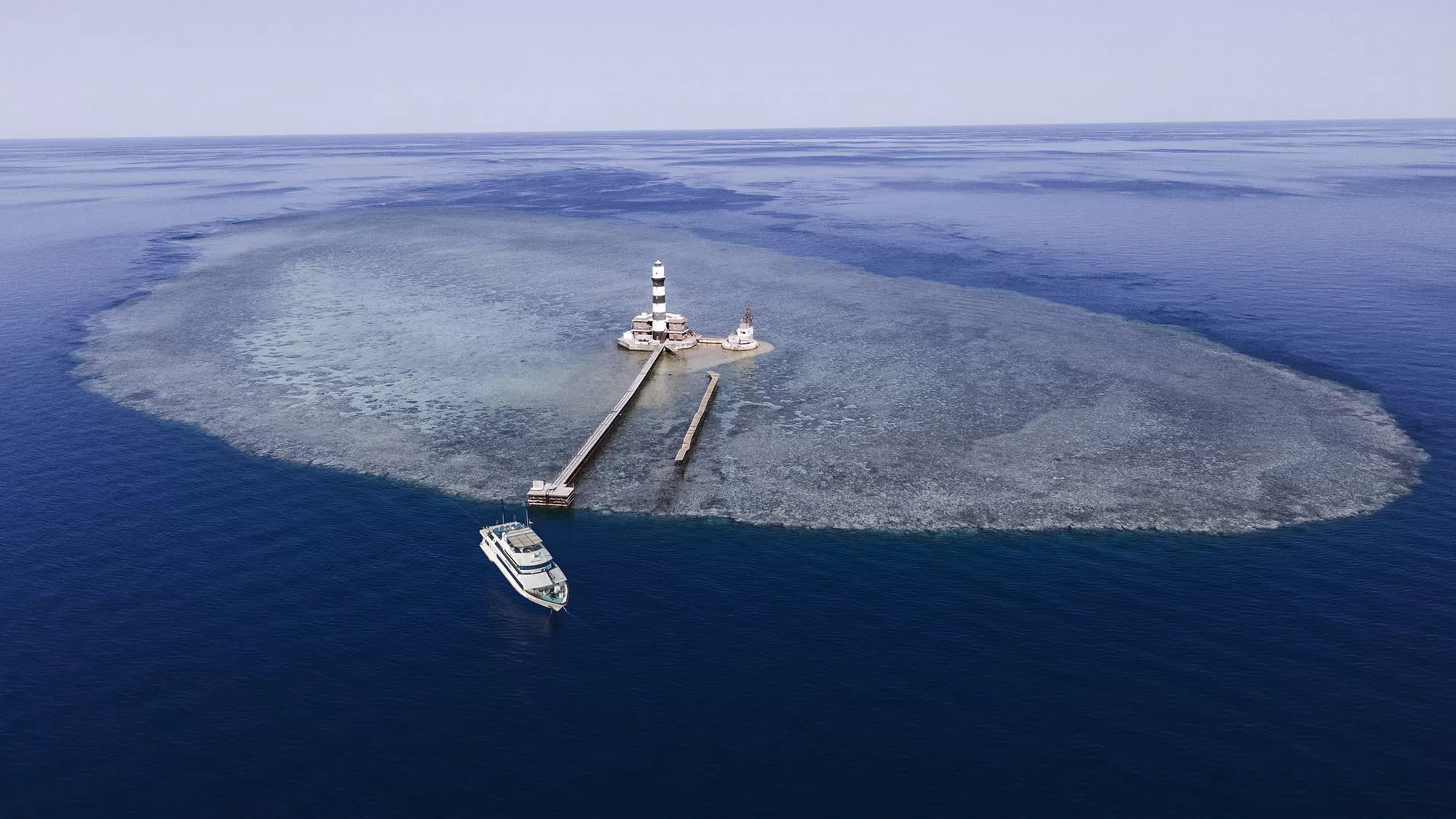
Daedalus Reef, also known as Abu Kizan, is an isolated oceanic reef situated approximately 90 kilometres offshore from Marsa Alam in Egypt’s Red Sea. Accessible only by liveaboard, it is recognised for its historic striped lighthouse, dramatic walls, strong currents and encounters with large pelagic species.
The reef rises from several hundred metres of water and is surrounded by steep coral walls. Its exposed location allows nutrient-rich currents to flow around the reef, supporting dense coral growth, schooling fish and a variety of sharks.
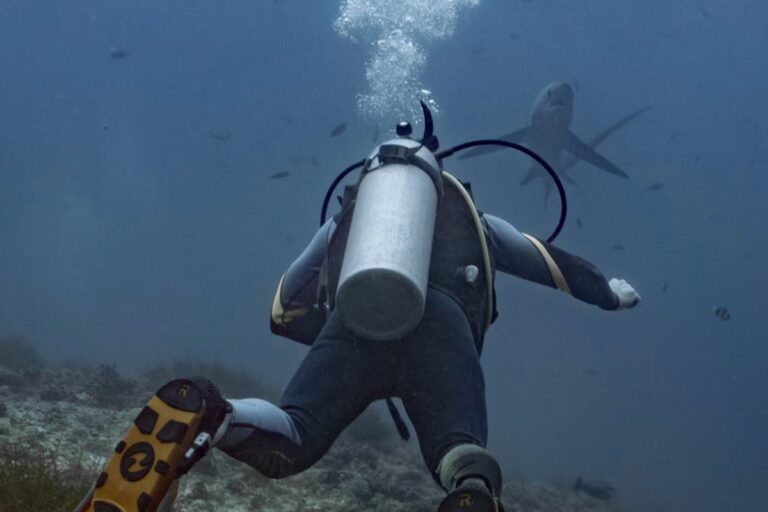
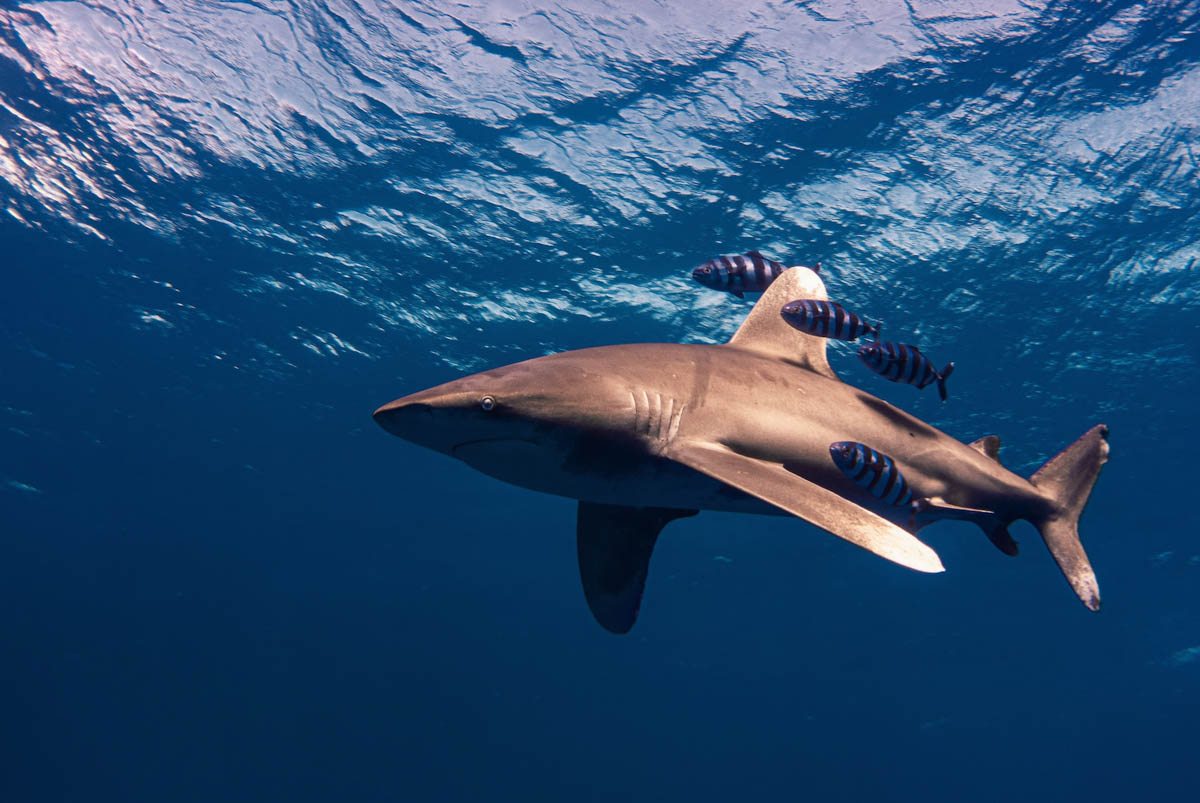
The northern tip is the site’s most famous diving area. Currents divide around the reef here, creating opportunities to encounter schooling scalloped hammerheads, particularly during the warmer months. Oceanic whitetips, grey reef sharks, silky sharks and threshers may also appear along the walls or beneath liveaboards. These remain seasonal and unpredictable wildlife encounters.
The eastern and western walls are covered with hard corals, soft corals and sea fans. On the western side, Anemone City contains a concentrated colony of anemones and anemonefish in relatively shallow water. The southern side offers a deeper plateau beneath the moorings, together with remains of an older lighthouse pier.
Deep below the northern wall lies the Zealot, a cargo steamship lost after striking Daedalus Reef in October 1876. The wreck begins at approximately 75 metres and is suitable only for appropriately trained technical diving teams.
Strong currents, open-ocean exposure, deep walls and blue-water ascents make Daedalus most appropriate for experienced advanced divers. Entry points and routes must always be selected by a knowledgeable local guide after checking the current and surface conditions.
Main Attractions
Daedalus is particularly known for pelagic encounters around the current-swept northern tip, while the western wall’s anemone colony and the southern plateau provide additional reef-focused diving.
Schooling scalloped hammerhead sharks
Possible oceanic whitetip, thresher, silky and grey reef sharks
Near-vertical walls descending into deep water
Large hard corals, sea fans and soft-coral growth
Northern-tip drift dives
Anemone City on the western wall
Southern plateau beneath the liveaboard moorings
Historic striped lighthouse
Remains of the former lighthouse pier
The deep Zealot wreck for qualified technical divers
Marine Life
Scalloped hammerhead sharks, oceanic whitetip sharks, grey reef sharks, silky sharks, thresher sharks, tuna, barracuda, jacks, giant trevally, Napoleon wrasse, moray eels, turtles, anthias, surgeonfish and anemonefish.
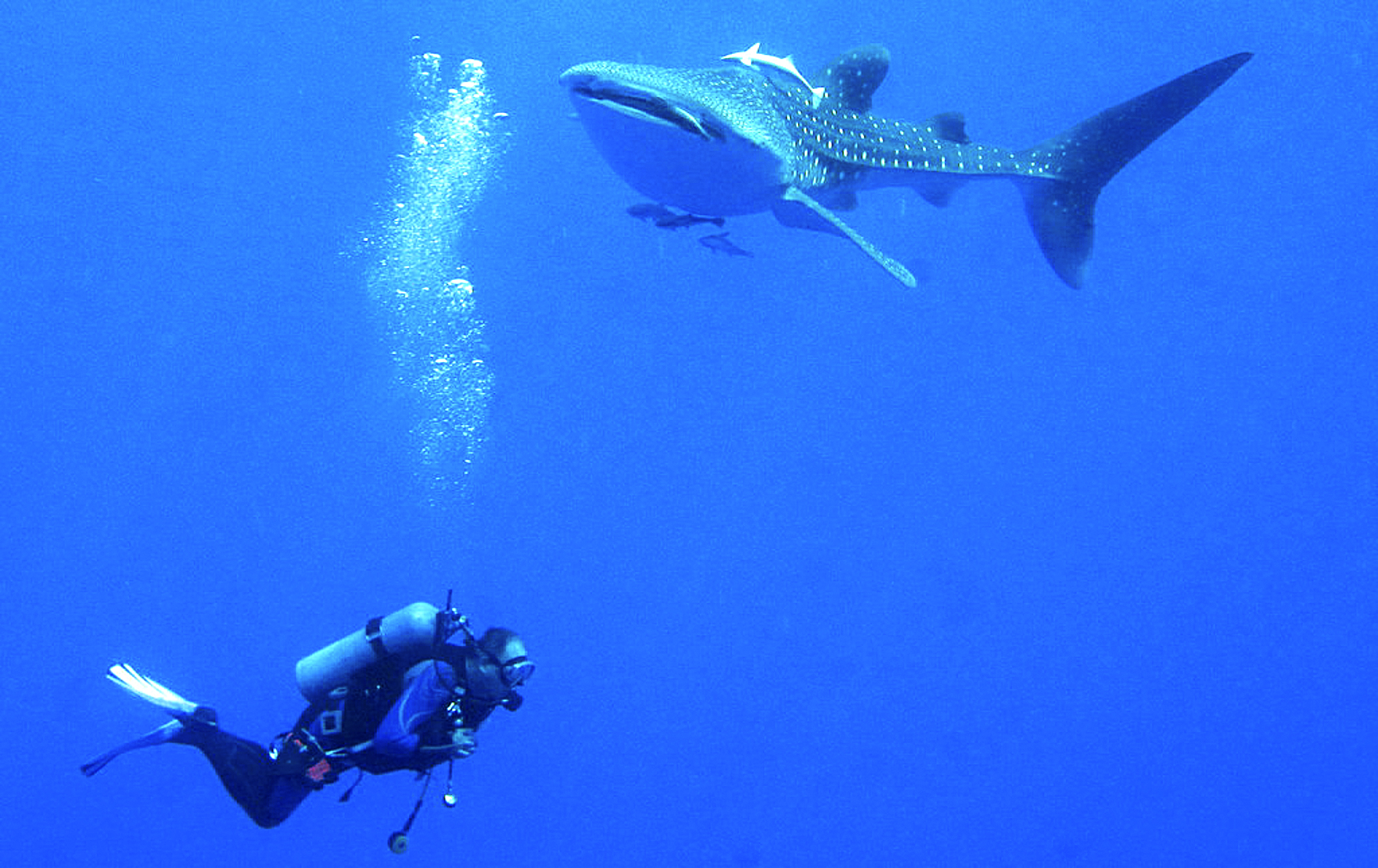
Manta rays and other large pelagic species are also possible. All shark and ray encounters should be presented as possible or seasonal sightings, not guaranteed attractions.
Coral & Habitat
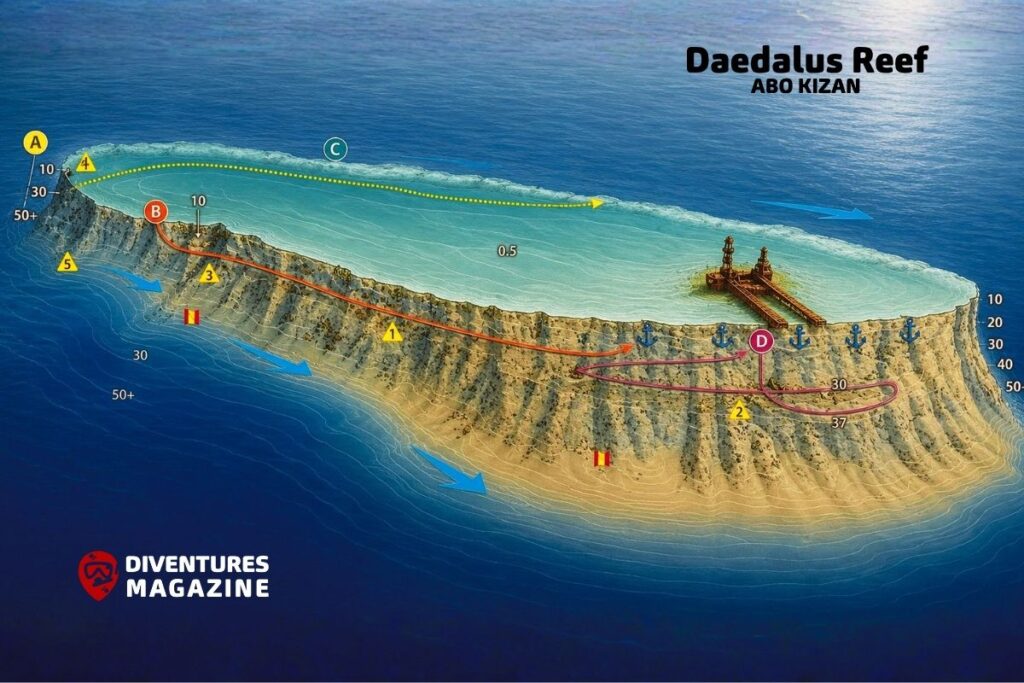
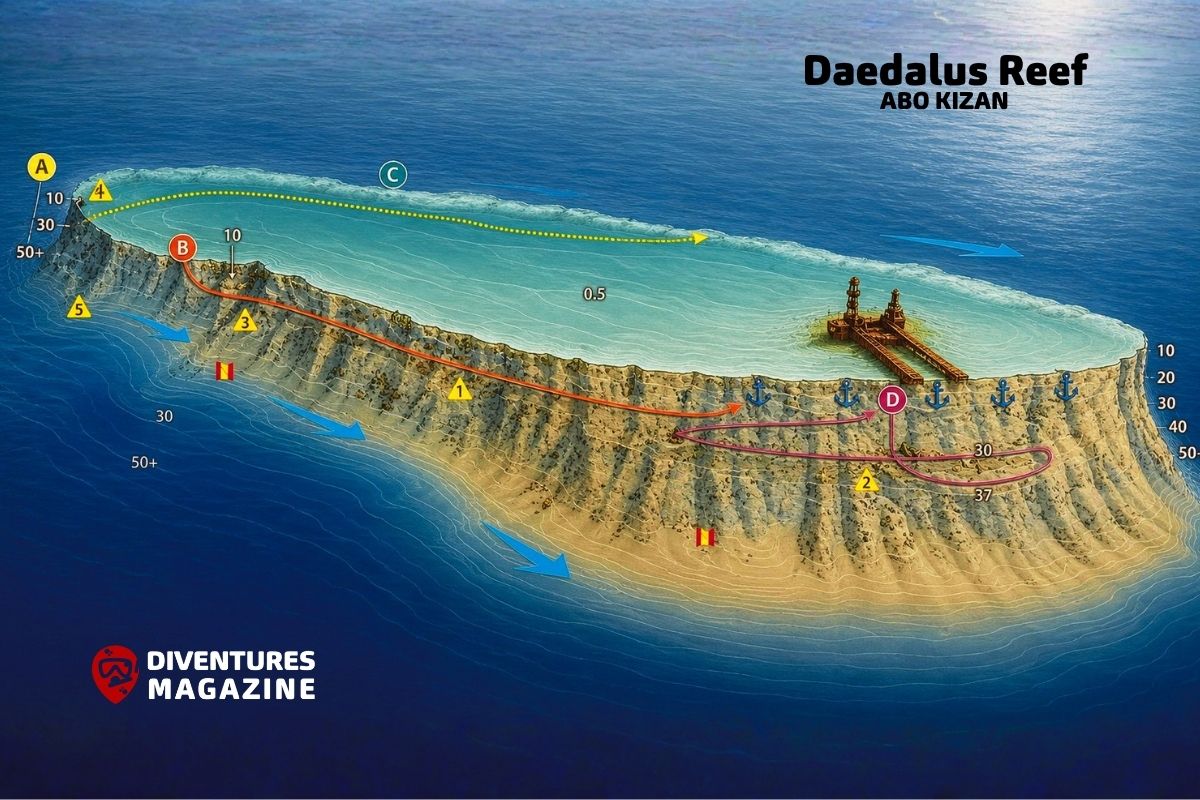
Daedalus is an isolated oceanic reef rising from very deep water in the central Red Sea. The reef is approximately one kilometre long and around 300 metres wide, with the lighthouse and artificial platform positioned above the reef.
The reef is surrounded by steep walls. In many areas, the walls descend to approximately 20 metres, slope outward toward 40 metres and then drop sharply into deep water. The upper sections contain crevices and niches covered with hard and soft corals, while deeper areas become increasingly sandy.
The eastern and western walls support large coral formations, sea fans, soft corals and dense schools of reef fish. On the western side, a large shallow colony of anemones and anemonefish forms the feature commonly known as Anemone City.
The southern side includes a broad plateau at approximately 30–40 metres beneath the liveaboard moorings. This area contains soft corals and remains from an older pier associated with the lighthouse.
Wreck Information
The Zealot is a British general cargo steamship lying on the deep northern slope of Daedalus Reef. The wreck begins at approximately 75 metres and extends into greater depths, placing it completely outside normal recreational diving limits.
The vessel was built and launched in 1873. On its final voyage in 1876, it was sailing from Liverpool toward Bombay with two passengers, 53 crew members and general cargo. After passing through Suez, the first officer saw Daedalus Light ahead but failed to alert the captain or make a sufficiently rapid course correction. The ship struck the reef on 13 October 1876.
The wreck was located in 2003 by Markus Lohr, who encountered wreckage at approximately 75 metres. Later exploration and an inscribed dinner plate helped identify it as the Zealot. Steel beams and other cargo remains may be encountered higher on the reef wall, but the main wreck is accessible only to properly trained and supported technical divers.
Suggested Route
Northern-tip shark drift
Enter from the RIB on the up-current side of the northern tip. Descend close to the wall and move toward the area where the current divides around the reef.
Experienced groups may move slightly away from the wall to search the blue for schooling hammerheads, while maintaining visual contact with the reef and remaining within the agreed depth limit.
Continue with the current along either the eastern or western wall, according to the guide’s briefing. Gradually reduce depth and finish with a drifting safety stop beneath a delayed surface marker buoy before the RIB pickup.
Western wall and Anemone City
Enter north of the prominent indentation on the western side and remain shallow enough to locate the anemone colony at approximately 5–10 metres.
Follow the wall southward with the reef on the left shoulder. Explore the anemones, coral formations and reef fish before continuing toward the southern moorings.
With a favorable current, the dive may finish close to the liveaboard. Otherwise, deploy a delayed surface marker buoy for collection by the RIB.
Southern plateau
Enter directly from the liveaboard when conditions permit. Descend toward the plateau at approximately 30 metres and explore the soft corals and remains of the old lighthouse pier.
Because the plateau reaches approximately 40 metres, divers must monitor gas, depth and no-decompression time closely. Return toward the southern wall, ascend gradually and complete the safety stop before surfacing near the boat.
Photography Notes
Daedalus Reef is primarily a wide-angle photography site. The steep walls, large sea fans, schooling fish and divers silhouetted against deep blue water provide strong compositions.
The northern tip offers the best opportunities for photographing hammerheads and other pelagic species. However, the sharks may remain deep or away from the reef, while strong current can make it difficult to stop, frame a subject or remain with the group.
Photographers should prepare exposure, focus and camera settings before entering the strongest section of the current. Following a shark into open water or descending below the planned depth can quickly lead to separation and excessive depth.
Anemone City on the western wall is suitable for close-focus wide-angle photography, particularly images combining anemones, anemonefish, divers and the blue-water background.
The southern plateau and old pier remains also provide reef scenery, but divers must monitor depth and no-decompression time because much of the plateau lies between 30 and 40 metres.
History
Daedalus Reef is also known as Abu Kizan and has long been a navigational hazard because of its isolated position in the central Red Sea.
A lighthouse was first established on the reef during the nineteenth century. The current striped lighthouse and its associated buildings date from 1931 and remain one of the site’s most recognizable features.
The lighthouse made Daedalus an important navigation point for ships travelling through the Red Sea. It also played a central role in the loss of the Zealot, whose officers saw the light shortly before the vessel struck the reef in 1876.
Best Season
May, June, July, August, September, October, November
Site Diagram