
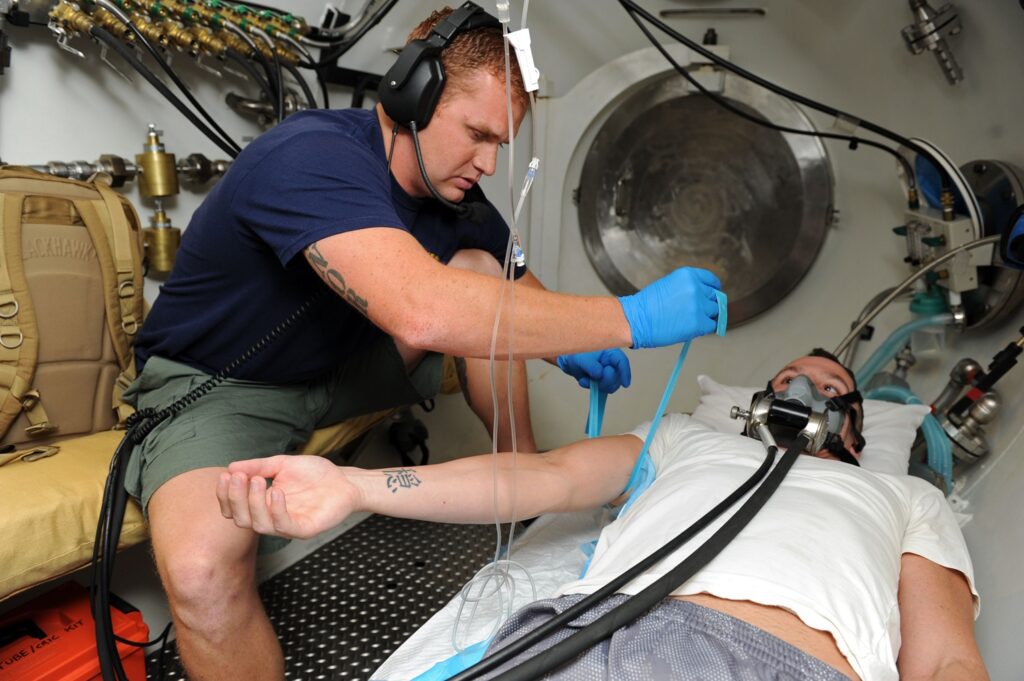

A recent scientific study is reshaping how we think about decompression sickness in scuba diving — suggesting that the diver’s own physiology and behaviour could matter more than previously understood dive profiles or computer algorithms.
Published in the International Maritime Health journal, the research challenges traditional conversations about decompression safety, which have long focused on depth, bottom time and tables. While these factors remain fundamental, researchers now emphasise that what happens inside and around the diver plays a central role in whether a dive remains uneventful or results in decompression sickness symptoms.
Beyond Depth and Dive Computers
For decades, the dive community has concentrated on exposure factors — depth, time at depth, and controlled ascent rates — to minimise decompression illness. Organisations like Divers Alert Network consistently underline that proper exposure management is critical.
However, this new research expands that conversation. It points to a range of individual and operational variables, including physical condition, stress levels, workload during the dive, and real-world decision-making, which can influence how inert gas bubbles form and dissipate in the body. This means two divers following the same dive computer profile may not share the same risk.
The Human Factor in Focus
Previous scientific work has also hinted at influences such as dehydration, repetitive diving, fatigue, and exertion underwater as possible decompression risk factors. But what sets this new study apart is its emphasis on personalised risk awareness rather than striving for a universal predictive model.
Dive computers and algorithms are excellent tools for managing ascent rates and decompression stops, yet they can’t assess a diver’s hydration levels, stress, physical workload, or how rested they are before a dive. These human elements can meaningfully affect how gases behave in body tissues — and therefore impact decompression outcomes.
Why This Matters for Divers and the Industry
The timing of this research is particularly relevant. Recreational scuba diving has become more accessible than ever, especially with advancements in training, travel opportunities, and dive technology. Despite this, safety discussions often remain tied to limits and algorithms, sometimes overlooking the diver behind the dive plan.
Some researchers now argue that decompression sickness is inherently difficult to predict because of wide individual variability — even when dive profiles appear conservative. This insight could influence dive training philosophies, encouraging a stronger focus on personal readiness in addition to technical proficiency.
What Divers Can Take Away
The study does not dismiss established safety practices — slow ascents, conservative dives, proper hydration and adherence to dive tables or computer guidance remain essential. Instead, it highlights a broader truth: risk exists in the intersection between human factors and programmed limits.
In practical terms, this means:
- Consider your physical condition and stress level before every dive.
- Evaluate workload and exertion underwater.
- Treat safety profiles not as guarantees, but as starting points shaped by individual circumstances.
- Recognise that “being ready for the dive” goes beyond gear checks and pre-dive briefings.
The Bigger Conversation
While diving science continues to evolve, this research shifts part of the focus back to the most unpredictable element of all — the human element. As training agencies, dive centres and individual divers update their approaches, decompression safety may increasingly blend traditional planning with personal awareness and preparedness.
After all, decompression sickness has never been just about depth or time — it’s also about the diver.
Diventures Team is a multidisciplinary team of scuba professionals, editors, and digital creators, producing accurate and experience-driven coverage of diving, marine life, and ocean culture.